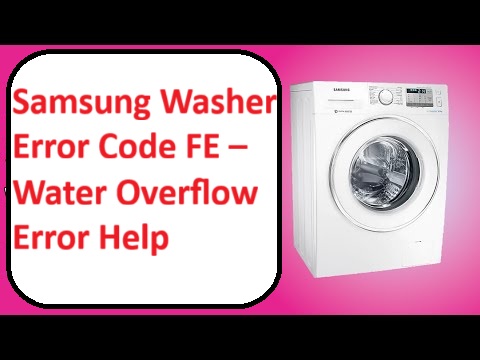
We’ve all been there—your laundry day comes to a halt when you encounter the frustrating Samsung washer error code FE, which signals a water overflow issue. This can throw a wrench in your plans and leave you feeling exasperated.
But don’t worry; you’re not alone in facing this common problem, and there are often simple DIY solutions to get your washer back on track.
In simple terms, error code FE means that your washer is detecting too much water in the drum, which can prevent it from completing its cycle.
One common cause of this error could be a malfunctioning water level sensor, which might be stuck or faulty.
To get a better understanding of this error and explore more potential causes and solutions, be sure to read through the entire post.
Let’s dive in and help you resolve this issue effectively!
What Does the Error Code Means?
When your Samsung washer shows the error code FE, it’s alerting you to a potential problem with the water level sensor or an overflow situation. Understanding what this error code means is crucial for effective troubleshooting and maintaining your appliance’s performance.
The FE code typically indicates that the washer has detected excessively high water levels, which can lead to flooding or damage. To address this issue, start by examining the water level sensor for any blockages or signs of damage. It’s also important to inspect the hoses connected to the washer for kinks or leaks that could disrupt the water flow. Additionally, a malfunctioning pressure switch may cause false signals, leading to the FE error.
If you’ve checked these components and the issue persists, try resetting the washer. This can sometimes clear temporary errors. If the problem continues, refer to the user manual for further guidance specific to your model.
Common Causes Behind Error Code
Identifying Common Causes of FE Error Code
The FE error code in Samsung washers typically indicates a water overflow issue. Common causes of this error include a malfunctioning water inlet valve, clogged hoses, or issues with the pressure switch that detects water levels. Additionally, understanding drain pump issues can provide insights into related problems that may contribute to the FE error.
Faulty Water Level Sensor
If your Samsung washer is displaying the FE error code, it’s likely due to a faulty water level sensor. This component plays a crucial role in monitoring the water levels during wash cycles. When it malfunctions, it can provide incorrect readings, which may lead to the washer overflowing. One frequent issue is improper calibration of the water level sensor. If it isn’t calibrated correctly, it won’t be able to accurately detect the water level, resulting in the FE error.
To troubleshoot this issue, start by inspecting the wiring and connections of the water level sensor for any signs of damage or loose fittings. A secure connection is essential for proper functionality. Additionally, try performing a reset of your washer; sometimes, this simple step can clear temporary errors. A faulty water level sensor can lead to incorrect water levels and hinder washer operation.
If these steps do not resolve the problem, it may be time to consider replacing the water level sensor. This replacement will restore the washer’s ability to monitor water levels accurately and ensure proper operation. Remember, safety is paramount when working with electrical appliances, so make sure to unplug the washer before performing any repairs. If you feel uncomfortable tackling this yourself, don’t hesitate to reach out to a professional technician. Your washer will thank you for it!
Clogged Drain Hose
A malfunctioning water level sensor isn’t the only reason your Samsung washer might display the FE error code. One common culprit is a clogged drain hose, which can lead to water overflow and cause similar issues. Over time, debris, lint, and even small items can accumulate in the drain hose, obstructing the flow of water. This blockage can create pressure issues that hinder your washer’s ability to drain effectively.
To ensure your washer operates smoothly, it’s crucial to perform regular maintenance on the drain hose. Start by visually inspecting the hose for any kinks, clogs, or signs of damage. If you notice any obstructions, carefully clear them out. This simple step can help restore proper function and prevent frustrating error codes from appearing. Regularly checking for clogged drain hoses can significantly reduce the risk of experiencing the FE error.
Regular maintenance not only helps avoid issues like the FE error code but also extends the lifespan of your appliance, saving you time and money in the long run. Remember, staying proactive with your drain hose care is key to keeping your washer running efficiently. If you’re ever in doubt or encounter persistent problems, don’t hesitate to consult a professional technician for assistance. Your safety and the longevity of your appliance are paramount.
Faulty Inlet Valve Assembly
A clogged drain hose can certainly trigger the FE error code, but another frequent culprit is the inlet valve assembly. This component is responsible for controlling the flow of water into your washer. If it malfunctions, it can lead to excessive water entering the machine, which may result in overflow.
To ensure your inlet valve is functioning properly, it’s important to perform regular maintenance. Start by inspecting the valve for any signs of wear, corrosion, or blockages that could obstruct its operation. If you see any debris or buildup, carefully clean it to restore proper flow.
Additionally, it’s wise to conduct a water supply test. Check that the water pressure and flow to the valve are adequate; low pressure can also cause issues. If you encounter ongoing problems such as persistent leakage or inconsistent water levels, it may be time to replace the inlet valve assembly. This replacement can help resolve the FE error code and ensure your washer operates smoothly once again. If problems persist, consider checking the water inlet valve issues as they may hinder water flow into the drum.
Faulty Control Board
The control board is essentially the brain of your Samsung washer, and when it malfunctions, it can trigger the FE error code. This issue is commonly caused by damaged components, poor solder connections, or glitches in the software.
To troubleshoot this problem effectively, start with control board diagnostics. First, visually inspect the board for any obvious signs of damage, such as burnt spots or loose connections. This is a crucial step—sometimes, a simple loose wire can cause significant issues.
If everything appears to be in good condition, the next step is to perform a software reset. This can help clear any temporary glitches that may be affecting the board’s performance. Simply unplug the washer for a few minutes and then plug it back in to see if that resolves the issue.
Should the error persist after these initial checks, you may need to consider control board repair. This can involve either fixing specific components that are malfunctioning or, in some cases, replacing the entire control board. A faulty motor control unit can also lead to operational difficulties, similar to control board issues.
Addressing a faulty control board promptly is essential not only to resolve the current issue but also to prevent further complications down the line. Taking these steps will help ensure your washer operates efficiently and reliably for years to come. If you’re ever in doubt, remember that consulting with a professional technician can provide you with peace of mind and expert guidance.
Required Tools to Fix the Error
Essential Tools for Repairing Samsung Washer Error Code FE
To effectively address the FE error code, you may need tools such as a screwdriver set, multimeter, and pliers. Additionally, having a surge protector can help prevent future power fluctuations that may lead to similar issues.
Basic Tools
When dealing with the Samsung washer error code FE, having the right tools at your disposal can significantly enhance your repair experience. As a seasoned appliance repair technician with over 20 years of experience, I understand the importance of being well-prepared. Here’s a detailed list of essential tools that will help you effectively perform basic maintenance and troubleshoot the issue:
- Screwdriver Set – A complete screwdriver set that includes both flathead and Phillips screwdrivers is crucial. These will allow you to remove various screws throughout the washer for access to internal components.
- Multimeter – This is an indispensable tool for any electrical diagnosis. A multimeter enables you to check for electrical continuity, measure voltage, and identify any faults within the wiring or components of the washer.
- Pliers – A good pair of pliers is essential for gripping, twisting, or adjusting wires and hoses. They provide the leverage you need to make secure connections or adjustments during your repair process.
- Toweling or Rags – Always have some towels or rags on hand. They are vital for cleaning up any water spills that may occur during the repair, ensuring that your workspace remains safe and tidy. Additionally, having a complete screwdriver set can help you access and inspect the water inlet valves, which are crucial for resolving overflow errors.
Supplies
Having the right supplies is crucial for effectively addressing the Samsung washer error code FE. By gathering these tools, you can ensure proper maintenance of your washing machine and take preventive measures to avoid future problems. Here’s a comprehensive list of supplies you’ll need:
- Multimeter – This tool is essential for testing electrical components and connections. It helps you diagnose issues accurately, ensuring that you understand the root cause of the error.
- Screwdriver Set – Having a variety of screwdrivers on hand will allow you to remove and secure panels with ease, making the repair process smoother and more efficient.
- Replacement Hoses – If you notice any leaks or blockages that could lead to overflow, having replacement hoses ready can save you time and prevent further damage to your washer.
- Towels – Keep some absorbent towels handy to manage any spills during repairs. This will protect your flooring and make cleanup easier.
Additionally, make sure to check for any unstable power supply issues that might contribute to the error, as electrical fluctuations can affect washer performance.
With these supplies at your disposal, you’ll be well-prepared to troubleshoot and resolve the FE error effectively. Remember, regular maintenance of your washing machine can help prevent these issues from recurring, ultimately saving you both time and money in the long run. Always prioritize safety during repairs, and don’t hesitate to consult your user manual or seek professional help if you’re unsure about any steps.
Pre-Safety Checklist Before Fixing
Before you dive into fixing the Samsung washer error code FE, it’s essential to prioritize your safety. Taking the right precautions can help you avoid accidents and injuries. Here’s a comprehensive checklist to ensure you’re ready:
Prioritize safety before troubleshooting your Samsung washer error code FE with essential precautions.
- Unplug the Washer: Always disconnect the power source before starting any repairs. This is a critical step to prevent electrical shock.
- Wear Personal Protective Equipment: Equip yourself with gloves and safety goggles. These will protect you from sharp edges and any chemicals you might encounter during the repair process.
- Check for Leaks: Inspect the area around the washer for any water pooling. This is vital to avoid electrical hazards, as water and electricity do not mix.
- Clear the Area: Ensure that the space around the washer is free of any obstructions. A tidy workspace not only promotes safety but also makes it easier to access the washer for repairs.
- Inspect Electrical Connections: Make sure to check the wiring connections to prevent any communication issues that might lead to further errors.
Diagnose the Error Code
To effectively diagnose the Samsung washer error code FE, it’s important to first understand what this code signifies. The FE code usually points to a water overflow issue or a malfunction in the water level sensor. Accurate interpretation of this error code is crucial for identifying the underlying problem. Below is a helpful reference table to guide you through the troubleshooting process.
| Possible Cause | Troubleshooting Tips |
|---|---|
| Faulty water level sensor | Carefully inspect and test the sensor for functionality. If it appears damaged or malfunctioning, replacing it may be necessary. |
| Clogged drain hose | Check the drain hose for any blockages. Clear any obstructions to ensure proper drainage. |
| Faulty control board | Assess the control board for any signs of damage or failure. If found defective, consider replacing it to restore proper functionality. |
Step-by-Step DIY Troubleshooting Guide
Next Steps in Troubleshooting the FE Error Code
Inspect Water Level Sensor
The water level sensor is a crucial component in your Samsung washer, as it ensures that the correct amount of water is used during each wash cycle. If you’re encountering the FE error code, it’s essential to take a closer look at this part of your washer.
Start by unplugging the washer to ensure your safety while you inspect the sensor. The water level sensor is usually located near the bottom of the tub. Take a moment to examine it for any signs of visible damage or loose connections in the wiring. It’s quite common for debris to accumulate, which can affect its performance, so if the sensor looks dirty, gently clean it to ensure it can provide accurate readings.
In some cases, the sensor may need recalibration. Refer to your washer’s manual for specific calibration instructions provided by the manufacturer. If you’ve followed these steps and the FE error persists, it may be time to consider replacing the sensor.
When replacing the sensor, I recommend purchasing an OEM (Original Equipment Manufacturer) part, as this ensures compatibility and reliability. Make sure to follow the installation instructions carefully to avoid any further issues. By taking these steps, you can help restore your washer’s functionality and reduce the likelihood of encountering future errors. Remember, maintaining your appliance not only extends its lifespan but also enhances its efficiency.
Clear the Clogged Drain Hose
After you’ve checked the water level sensor, it’s crucial to ensure that the drain hose isn’t clogged, as this can lead to the FE error code. Begin by unplugging your washer for safety, then locate the drain hose, which is typically found at the back of the machine.
First, inspect the hose for any visible kinks, bends, or twists that could impede water flow. If you see any, gently straighten them out. Next, disconnect the hose from the washer. It’s important to check for blockages inside the hose. You can use a flexible brush or a long, slender object to carefully dislodge any debris that may be stuck.
Once you’ve cleared any blockages, rinse the hose thoroughly with water to ensure it’s completely free of obstructions. Reattach the drain hose securely to the washer. After everything is back in place, plug the washer back in and run a test cycle to check if the issue has been resolved. This process not only helps eliminate the FE error code but also ensures your washer operates efficiently. If you continue to experience issues, it may be wise to consult a professional technician for further assistance.
Replace Inlet Valve Assembly
Replacing the inlet valve assembly is a practical solution for addressing persistent FE error codes in your Samsung washer. To start this repair safely, follow these detailed steps:
- Unplug the Washer: Always prioritize safety by disconnecting the power supply. Unplugging the washer eliminates the risk of electric shock while you work.
- Shut Off the Water Supply: Locate the water shut-off valves, typically found near the washer, and turn them off to prevent any spills during the repair.
- Remove the Back Panel: Using a screwdriver, carefully take off the back panel of your washer. This will give you access to the inlet valve assembly.
- Locate and Disconnect the Inlet Valve Assembly: Identify the inlet valve assembly, which is usually situated near the water hoses. Gently disconnect the water hoses by loosening their clamps, and then unplug the electrical connectors. Take care not to damage any components as you do this.
- Inspect the Inlet Valve: Before replacing the assembly, take a moment to inspect the valve for any visible signs of wear or damage. Look for cracks, corrosion, or other deterioration.
- Test the Valve with a Multimeter: If you’re comfortable using a multimeter, check the continuity of the valve. Set the multimeter to the resistance setting and touch the probes to the terminals of the valve. A faulty valve will show no continuity, indicating it needs replacement.
- Replace the Assembly: Install the new inlet valve assembly by reversing the disconnection process. Reattach the water hoses securely and plug in the electrical connectors.
- Reassemble the Washer: Once everything is reconnected, put the back panel back in place and secure it with screws.
- Restore Water Supply and Power: Turn the water supply back on and plug in your washer.
- Run a Test Cycle: Finally, run a test cycle to ensure everything is functioning correctly and that the FE error code has been resolved.
Control Board Replacement Steps
If you’ve been dealing with persistent FE error codes even after replacing the inlet valve, it might be time to consider replacing the control board. This process may seem daunting, but I’ll guide you through it step by step to ensure you can do this safely and effectively.
- Safety First: Begin by unplugging the washer from the wall outlet. This is crucial to avoid any electrical hazards while you work.
- Accessing the Control Panel: Locate the screws that secure the control panel. Carefully remove these screws, taking note of their locations for reassembly.
- Detaching the Panel: Gently detach the control panel. Be cautious as you do this; you want to avoid damaging any connected wires.
- Locating the Control Board: Once the panel is removed, you’ll see the control board. This is typically positioned behind the panel and can be identified by its circuit connections.
- Disconnecting the Wiring: Carefully disconnect the wiring harnesses attached to the control board. Make sure to take a picture or note the arrangement of these wires for reference when connecting the new board.
- Removing the Old Board: Unscrew any screws that secure the control board in place. Once these are removed, gently lift the board out of its mounting.
- Installing the New Control Board: Take your new control board and align it with the mounting points. Secure it in place with the screws you previously removed.
- Reconnecting the Wires: Reconnect the wiring harnesses to the new control board, ensuring each connector is secure. This step is vital for proper functionality.
- Reassembling the Control Panel: Once everything is connected, reattach the control panel and secure it with the screws.
- Testing the Washer: Finally, plug your washer back in and run a test cycle. This will help you confirm whether the replacement has resolved the FE error.
Call a Professional If
When you encounter the Samsung washer error code FE and basic troubleshooting steps don’t resolve the issue, it’s wise to reach out to a professional. This error typically signifies a more serious problem, such as a faulty water inlet valve or control board. Attempting to fix these issues without the necessary expertise can lead to further damage or safety risks.
A qualified technician will conduct a thorough diagnosis to accurately identify the root cause of the problem. They have the tools and knowledge to address the issue effectively and safely. Additionally, they can offer valuable preventive maintenance tips to help you avoid similar problems in the future.
Don’t hesitate to seek expert help; investing in professional assistance can save you both time and money in the long run. Ensuring your washer operates efficiently and safely is well worth the effort.