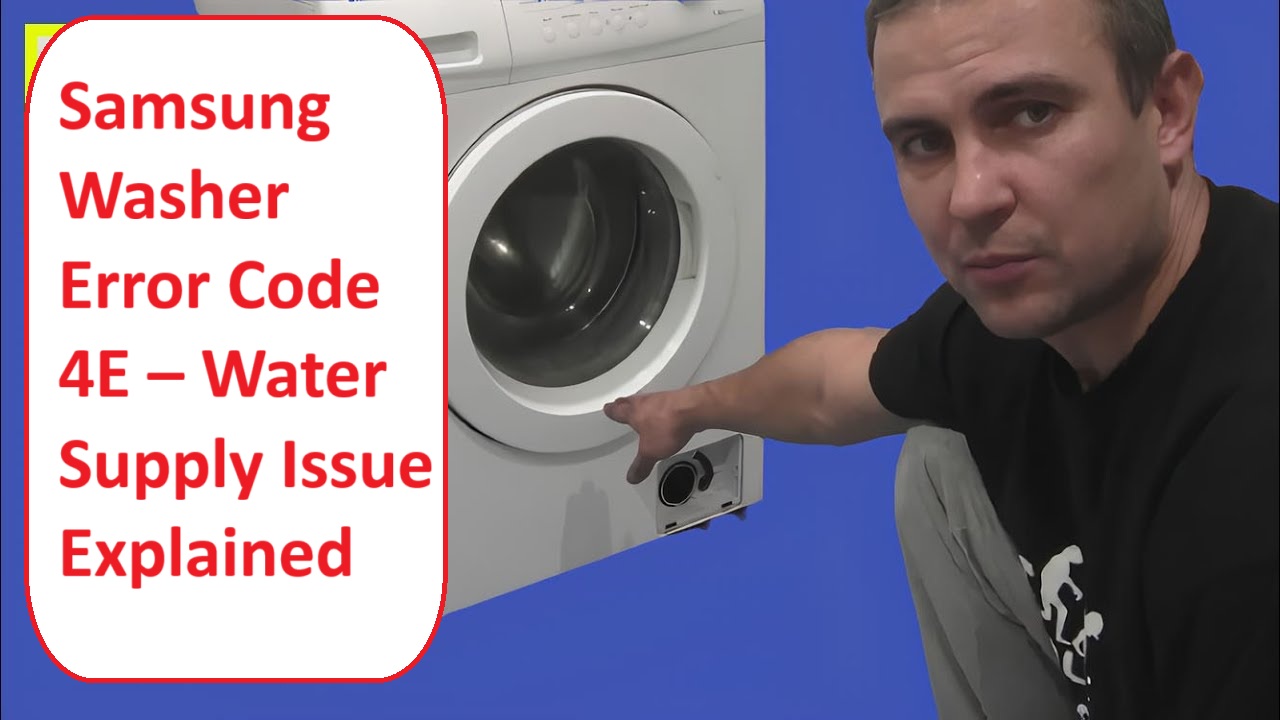
If your Samsung washer is flashing the dreaded Error Code 4E, it’s understandable to feel a bit frustrated. This code indicates a water supply issue, which means your washer is having trouble getting the water it needs to operate properly.
Don’t worry; this is a common problem, and there are often simple DIY solutions available.
One frequent culprit behind this error is a clogged filter, which can easily restrict water flow. However, there could be other reasons as well.
To help you get to the bottom of this issue, I encourage you to read through the entire post. We’ll dive into various causes of the 4E error and provide effective troubleshooting tips to get your washer back in action.
What Does the Error Code Means?
When your Samsung washer displays the error code 4E, it signifies a water supply issue that needs your attention. This error typically indicates that your machine is not receiving sufficient water flow, which can significantly affect its performance.
To resolve this problem, start by checking the water supply hoses. Look for any kinks or blockages that could be restricting water flow. Ensure that the water faucets are fully open as this is crucial for proper operation. Additionally, inspect the filters located in the hoses for any debris that may be obstructing water flow.
Regular maintenance of your washer is vital in preventing such issues. I recommend cleaning the filters routinely and examining your hoses for any signs of wear and tear. By addressing these factors, you can restore proper water flow to your washer and avoid interruptions in your laundry routine. This proactive approach will help keep your Samsung washer running efficiently for years to come. Furthermore, ensuring that the water inlet valves are functioning correctly can prevent future supply issues.
Common Causes Behind Error Code
Identifying Common Causes of Samsung Washer Error Code 4E. Additionally, it’s important to ensure that your home’s water supply meets the adequate pressure specifications required for optimal washer operation.
Clogged Inlet Filter
One common cause behind the Samsung washer error code 4E is a clogged inlet filter. This filter plays a crucial role in ensuring that the water supply to your washer remains clean and unobstructed by debris and sediment. When the filter becomes clogged, it restricts the flow of water needed for your washer to operate correctly, resulting in the error code.
To address this issue, it’s important to perform regular maintenance on your inlet filter. I recommend checking and cleaning the filter every few months to prevent clogs from occurring. Here’s a step-by-step guide to help you do this safely and effectively:
- Disconnect the Washer: Always start by unplugging your washer from the electrical outlet. Safety should be your top priority.
- Turn Off the Water Supply: Locate the water shut-off valves at the back of your washer and turn them off to prevent any leaks.
- Remove the Hoses: Carefully disconnect the inlet hoses from the back of the washer. You may need a pair of pliers to loosen the hose clamps, but be cautious not to damage the hoses.
- Access the Inlet Filter: Once the hoses are removed, you will see the inlet filter. It’s typically located inside the water inlet valve.
- Clean the Filter: Gently pull the filter out and rinse it under running water. Use a soft brush if necessary to remove any stubborn debris. Make sure it’s thoroughly clean before reinserting it.
- Reassemble the Washer: After cleaning the filter, reinsert it into the valve, reconnect the hoses, and turn the water supply back on.
- Test the Washer: Plug the washer back in and run a short cycle to ensure that everything is functioning properly. Regular maintenance on your inlet filter can help prevent future issues and ensure optimal washer performance.
Faulty Water Supply Valve
A clogged inlet filter isn’t the only issue that can trigger the Samsung washer error code 4E. A faulty water supply valve is another common cause. When the water supply valve fails to open or close properly, it can block water from entering your washer, which leads to this specific error.
To tackle this problem, the first step is to conduct a thorough inspection of the water supply valve. Look for any visible signs of damage, wear, or corrosion. If you determine that the valve is indeed malfunctioning, it’s time to consider your replacement options. You can typically find replacement valves online or at local appliance repair stores. Just be sure to choose a valve that is compatible with your specific washer model to ensure it functions correctly.
Fixing or replacing the water supply valve can effectively resolve the 4E error and get your washer back to operating smoothly. Additionally, ensure that the power supply is stable to avoid further issues. Remember, safety first! Always unplug your washer before starting any repairs, and if you’re ever unsure, don’t hesitate to consult a professional technician. Your washer is an investment, and taking care of it properly will help prolong its life.
Low Water Pressure Issue
If your Samsung washer is displaying the 4E error code, it’s likely due to low water pressure affecting its ability to fill properly. This situation can arise from a few different factors that may impact the water flow to your appliance.
Start by checking your home’s water supply. If the pressure gauge shows low pressure, there could be issues from the municipal supply or even blockages within your plumbing. It’s also important to consider whether you have multiple appliances using water at the same time; this can cause competition for water, thereby reducing the flow available to your washer.
Next, take a look at your home’s plumbing system. Leaks or clogs can significantly hinder water delivery. Inspect pipes for any visible signs of wear or damage, as well as sediment build-up in the hoses connected to your washer. Ensuring that there’s adequate water pressure is crucial for optimal washing performance. Addressing any underlying issues promptly will help prevent the 4E error code from recurring and keep your washer running smoothly. If you need assistance, don’t hesitate to consult a professional technician for a thorough inspection. Additionally, low water pressure issues may be linked to problems in other appliances, making it essential to assess the entire system.
Faulty Hose Connection
Faulty hose connections are a common culprit behind the 4E error code on your Samsung washer. If the hoses are not properly secured or aligned, it can restrict water flow, leading to this error. Start by checking the connections at both ends of the hoses—ensure they are tightly fastened to the water supply and the washer itself.
It’s also important to inspect the hoses for any kinks or bends that could hinder performance. The hoses should be straight and free from any obstructions. Additionally, look for any signs of leaks. Even a small drip can compromise the water supply needed for your washer to function effectively. Furthermore, ensure that the water supply must be fully open to maintain adequate pressure for proper operation.
Required Tools to Fix the Error
Essential Tools for Troubleshooting Samsung Washer Error Code 4E
When addressing water supply issues, it’s important to have the right tools for effective troubleshooting, including a multimeter to test electrical components and connections. Additionally, ensuring that the water inlet valve is functioning correctly is crucial for resolving cold water fill issues.
Basic Tools
When addressing the Samsung washer error code 4E, having the right tools at your disposal is key to a successful repair. As someone who has spent over 20 years in appliance repair, I understand the importance of being prepared. Here are the essential tools you’ll need for effective maintenance and troubleshooting:
- Screwdriver Set: Ensure you have both Phillips and flathead screwdrivers. These will help you access various components within your washer.
- Adjustable Wrench: This tool is crucial for loosening or tightening connections, especially around hoses and fittings.
- Towels or Rags: Always have some on hand to manage any water spills during your inspection, keeping your workspace tidy and safe.
- Bucket or Container: Use this to catch any residual water from hoses or components you may need to disconnect.
With these tools, you will be well-equipped to check hoses, connections, and filters—common culprits behind the 4E error code. Additionally, it’s important to inspect the drain filter for blockages, as this can also impact the washer’s performance. Being prepared not only saves you time but also ensures that you can address the issue thoroughly, helping to keep your washer running smoothly. Remember, safety first: always unplug your washer before starting any repair work to avoid electrical hazards.
Supplies
Having the right supplies is crucial for effectively addressing the Samsung washer error code 4E. To ensure proper maintenance of your water supply, gather the following essential items:
- Adjustable Wrench: This tool will help you tighten or loosen hoses as needed, ensuring secure connections.
- Bucket: Use a bucket to catch any residual water that may spill during your repairs, helping to keep your workspace clean.
- Towels: Keep some towels handy for cleaning up any spills or leaks that may occur during the process.
- Replacement Hoses: If you discover that your existing hoses are damaged or clogged, having replacements on hand will save you time and frustration.
These supplies will empower you to check and secure your water sources effectively, preventing further issues with your washer. Additionally, a surge protector can help maintain a stable voltage supply to prevent power interruptions that may affect washer performance. Start by inspecting the hoses and connections for any blockages or leaks. Ensure that the water supply valves are fully opened to allow adequate water flow.
Pre-Safety Checklist Before Fixing
Before you dive into resolving the Samsung washer error code 4E, it’s crucial to ensure that you’re prioritizing safety. Taking the right precautions is essential before attempting any repairs or troubleshooting. Here’s a practical checklist to make sure you’re fully prepared:
- Unplug the Washer: Disconnecting the power supply is the first step to eliminate any electrical hazards. This will ensure that you can work safely without the risk of shock.
- Turn Off the Water Supply: Shut off the water valves leading to your washer to prevent any potential leaks while you’re working on the machine. This is especially important if you’ll be disconnecting hoses.
- Wear Protective Gloves: This simple step can protect your hands from sharp edges or any debris you may encounter while inspecting or repairing the washer.
- Keep the Work Area Dry: Make sure the area around your washer is dry to minimize the risk of slips and falls. A clutter-free and dry workspace will allow you to focus on the repair more effectively. Additionally, it’s important to check the door latch mechanism to ensure it functions properly before operating the washer again.
Diagnose the Error Code
To effectively diagnose the Samsung washer error code 4E, it’s essential to understand what this code signifies and what may be causing it. The 4E error typically points to a water supply issue, which can arise from several common factors.
Start your troubleshooting by inspecting the water inlet hoses. Look for any kinks or blockages that might impede the flow of water. Next, make sure that the water supply valves are fully open; sometimes, they can be inadvertently turned off or partially closed.
Additionally, it’s a good idea to check the filter screens located at the inlet connections. These screens can become clogged with debris over time, restricting water flow. By clearing any buildup, you may resolve the issue.
If you’ve gone through these checks and the error persists, you may need to delve deeper. Consider examining the control board and the pressure switch, as issues with these components can also trigger the 4E error.
Step-by-Step DIY Troubleshooting Guide
Next Steps for Resolving Samsung Washer Error Code 4E
Clean the Inlet Filter
Cleaning the inlet filter on your Samsung washer is an essential step in addressing the error code 4E. Regular maintenance of the inlet filter not only enhances water flow but also helps prevent future issues that could disrupt your laundry routine. Here’s a straightforward guide to effectively clean the inlet filter:
| Step | Action | Notes |
|---|---|---|
| 1 | Turn off the washer | Always disconnect from power for safety. |
| 2 | Locate the filter | Typically found at the water inlet, where the hose connects to the washer. |
| 3 | Remove the filter | Carefully unscrew or pull it out, depending on your model. |
| 4 | Clean the filter | Rinse it under warm water to remove debris and mineral buildup. A soft brush can help if there’s stubborn dirt. |
| 5 | Inspect for damage | Check for any cracks or wear; if the filter is compromised, replacing it is advisable for optimal performance. |
| 6 | Reinstall the filter | Ensure it’s secured properly before reconnecting the water supply. |
| 7 | Test the washer | Turn the power back on and run a short cycle to ensure everything is functioning correctly. |
Replace Water Supply Valve
Replacing the water supply valve on your Samsung washer is an essential step to take if you continue to see the 4E error code, even after cleaning the inlet filter. Here’s a detailed guide to help you through the process safely and effectively.
- Safety First: Before starting any repair, ensure that you disconnect the washer from the power source. This will prevent any electrical hazards while you work. Additionally, shut off the water supply to avoid any unwanted leaks or spills.
- Access the Water Valve: Move the washer away from the wall to give yourself enough space to work. The water supply valve is located at the back of the machine. You’ll need to remove the screws that secure it in place. Keep these screws in a safe spot for reinstallation.
- Disconnect Hoses and Connectors: Carefully disconnect the inlet hoses from the valve. You may need pliers to loosen any stubborn fittings. Also, gently disconnect the electrical connectors attached to the valve—be sure to note their positions for reinstallation.
- Install the New Valve: Take your new water supply valve and install it by reversing the steps you just completed. Ensure that all connections—both hoses and electrical—are secure to prevent leaks or operational issues.
- Check for Leaks: Once everything is reassembled, turn the water supply back on and check for any leaks around the new valve and hoses. It’s crucial to ensure there are no drips or moisture, as this could lead to further complications down the line.
- Regular Maintenance: To avoid similar issues in the future, consider periodically inspecting the water valve and hoses for signs of wear or damage. Regular maintenance can help prolong the life of your washer and enhance its performance.
Check Water Pressure Levels
To ensure that your Samsung washer is receiving adequate water pressure, it’s essential to measure the water pressure at the supply line with a pressure gauge. The ideal water pressure range for your washer is between 20 to 120 psi. Here’s a simple step-by-step guide to help you check this:
- Turn off the water supply: This will prevent any leaks or spills while you work.
- Attach the pressure gauge: Connect the pressure gauge to the hose connection where the water supply line meets the washer.
- Turn on the water supply: Once the gauge is attached, turn the water supply back on and read the gauge to check the pressure.
Here’s a quick reference table to help you understand the pressure levels:
| Pressure Level (psi) | Status | Action Needed |
|---|---|---|
| Below 20 | Low Pressure | Increase water supply |
| 20-120 | Normal | No action needed |
| Above 120 | High Pressure | Reduce water supply |
Maintaining suitable water pressure is crucial for your washer’s performance. Insufficient or excessive pressure can lead to operational issues and error codes. By following these steps, you can ensure your washer operates smoothly and efficiently. If you find that the pressure is outside the recommended range, it may be necessary to consult a plumber to adjust your water supply.
Inspect Hose for Kinks
After you’ve checked the water pressure levels, the next crucial step is to inspect the hose for kinks or obstructions that could block water flow. Begin by disconnecting the hose from both the water supply and your Samsung washer. Take your time to carefully examine the entire length of the hose for any visible kinks, twists, or pinches. If you spot any, gently straighten them out to ensure proper alignment of the hose.
It’s also important to check for any blockages at both ends of the hose, as debris can build up and restrict water flow. Regular maintenance is key, so remember to clean the filters and inspect the hose for any signs of damage periodically. After you’ve completed the inspection and any necessary adjustments, reconnect the hose securely and turn the water supply back on.
This straightforward inspection can often resolve error code 4E and help ensure your washer operates efficiently. By following these steps, you’ll not only enhance the lifespan of your appliance but also maintain its performance.
Call a Professional If
If you’ve tried troubleshooting the Samsung washer error code 4E and haven’t had any luck, it may be time to consider calling a professional. There are specific signs that indicate you might need expert assistance. For instance, if you continue to see persistent error codes even after checking the hoses and filters, or if you notice water leaks around your washer, it’s a good idea to reach out for help.
Another crucial sign is if your washer fails to fill with water, even though all connections appear to be correct. In these cases, a professional can help diagnose underlying issues that may not be immediately obvious, such as valve malfunctions or internal blockages.
It’s important to know when to call for help to prevent any further damage to your appliance, which can lead to more costly repairs down the line. A qualified technician can ensure that your washer is operating efficiently and effectively once again. Don’t hesitate to contact a professional—they are there to help you get your appliance back in working order safely and reliably.