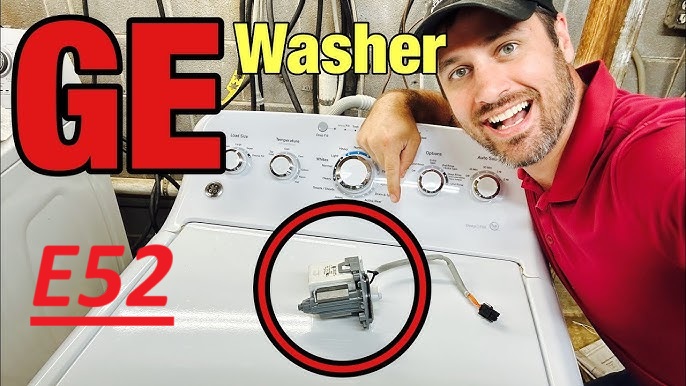
If you’ve found yourself facing the GE washer error code E52, we understand how frustrating this can be. You’re definitely not alone in this; many people experience this issue when there’s a blockage in the drain hose.
In simple terms, this error means that your washer is having trouble draining properly, which can throw a wrench into your laundry routine. The good news is that this is a common problem and often has straightforward DIY solutions.
One common cause of the E52 error is a kinked or clogged drain hose, which can easily happen if the hose is bent or if debris has built up inside it.
To help you resolve this issue, we recommend reading through the entire post to learn more about the E52 error, including additional causes and solutions.
With a bit of patience and the right steps, you can get your washer back up and running smoothly!
What Does the Error Code Mean?
When your GE washer displays the error code E52, it signals a concern with the motor control system. Essentially, this means that the washer’s motor is not operating as it should, which can interfere with the washing cycle. A common reason for this error could be a blockage in the drain hose. If the drain hose is obstructed, it can hinder proper drainage, causing the motor to work harder than usual and ultimately trigger the E52 error.
To address this issue, I recommend taking the following steps:
- Inspect the Drain Hose: Look for any visible kinks, clogs, or blockages in the hose. Make sure it’s not bent or pinched, as this can impede water flow.
- Check for Clogs: Remove the drain hose from the washer and inspect it thoroughly. You can run water through it to see if it flows freely. If there are any clogs, clear them out.
- Ensure Proper Connections: Make sure that the hose is securely connected at both ends—at the washer and at the drain. A loose connection can also lead to drainage issues.
- Clear Debris: Look for any debris or foreign objects that may have made their way into the hose, causing a blockage.
Common Causes of the Error Code
Identifying Common Causes of E52 Error Code
Cause 1
If you encounter the GE Washer Error Code E52, it’s often linked to a malfunctioning motor control board. However, before jumping to replace any parts, it’s essential to conduct a thorough inspection of the drain hose. Look for kinks, clogs, or any obstructions that could hinder water flow. If you do discover a blockage, take the necessary steps to clear it, ensuring the hose is unobstructed and correctly positioned.
To help you navigate this issue, here’s a quick reference table:
| Issue | Action Needed | Outcome |
|---|---|---|
| Kinked hose | Straighten the hose | Restores proper flow |
| Clogged hose | Clear the obstruction | Allows for effective drainage |
| Faulty motor control | Replace the motor control board | Resolves the error code |
Cause 2
While a malfunctioning motor control board is indeed a primary cause of the GE Washer Error Code E52, there are other common issues you should consider that could also trigger this error. One frequent culprit is hose blockage. It’s essential to check the drain hose for any kinks, twists, or obstructions that might impede water flow. If you notice any debris, be sure to clear it away to restore proper drainage.
Another critical area to inspect is the drain filter, which is typically located near the bottom of the washer. A clogged drain filter can prevent water from draining efficiently, resulting in the E52 code. To address this, you’ll want to remove the filter and clean it thoroughly. Make sure to eliminate any lint or foreign objects that could be causing the blockage.
Cause 3
When dealing with the GE Washer Error Code E52, it’s essential to consider several factors that may be contributing to the issue. Proper drainage is crucial for your washer to function correctly, and various common problems can impede this process. Here are some steps you can take to troubleshoot the situation:
- Inspect the Drain Hose: First, check your drain hose for any kinks or bends that might restrict water flow. A straight and unobstructed hose is vital for effective drainage.
- Clear Any Obstructions: Foreign objects can sometimes find their way into the drain hose, creating blockages. Look for any debris or items that may be causing an obstruction and remove them carefully.
- Check the Hose Height: Ensure that the drain hose isn’t positioned too high. If the hose is elevated excessively, it could lead to backflow, which can disrupt the drainage process.
To help you identify potential causes, here’s a quick reference table:
| Cause | Description | Action Required |
|---|---|---|
| Kinked Drain Hose | Hose is bent or twisted | Straighten the hose |
| Obstruction | Foreign objects in the hose | Remove the blockage |
| Incorrect Height | Hose positioned too high | Lower the hose |
Cause 4
After ensuring that you’ve addressed any potential drainage issues, it’s essential to consider other common causes that may trigger the GE Washer Error Code E52. Often, these issues arise from water flow obstructions that can impact your washer’s overall performance. Here are some key factors to investigate:
- Blocked Drain Hose: Start by checking the drain hose for any kinks or clogs. A clear and unobstructed hose is crucial for proper drainage.
- Clogged Filter: A dirty filter can significantly hinder water flow. Regularly cleaning your washer’s filter can help maintain optimal performance.
- Faulty Pump: Inspect the pump for any signs of mechanical failure. A malfunctioning pump may not effectively remove water, leading to error codes.
- Incorrect Installation: If your washer isn’t level or is improperly positioned, it can create drainage problems. Make sure your machine is installed according to the manufacturer’s guidelines.
- Damaged Hoses: Check for any visible cracks or leaks in the hoses. Damaged hoses can lead to water not flowing properly, resulting in error codes.
Required Tools to Fix the Error
Essential Tools for Repair
Basic Tools
Before you dive into troubleshooting the GE washer error code E52, it’s important to gather a few essential tools to ensure a smooth and effective repair process. Proper maintenance of your washing machine is crucial, and having the right tools on hand will make troubleshooting any error code much more manageable.
Here’s a list of the tools you’ll need:
- Screwdriver set: This is vital for removing panels and accessing the internal components of your washer. A set with both flathead and Phillips screwdrivers will cover most of your needs.
- Pliers: These are invaluable for gripping and loosening hose clamps, which can sometimes be stubborn. Look for a pair with a good grip for better leverage.
- Bucket: It’s best to have a bucket ready to catch any excess water during the repair process. This will help keep your work area tidy and prevent water damage.
- Towel: Keep a towel handy for cleaning up any spills or drips. It’s always better to be prepared!
- Flashlight: A flashlight can be a game changer for illuminating dark areas inside your washer. Good visibility will help you see what you’re doing and avoid mistakes.
Equipping yourself with these basic tools ensures that you’re well-prepared for the task ahead. With the right approach and tools, you can efficiently tackle the E52 error code and get your washer back in working order. Remember, safety first—always unplug your washer before starting any repair work.
Supplies
Having the right supplies on hand is crucial for effectively addressing the GE washer error code E52. This error typically indicates issues related to the drain hose or water supply. Before you start, gather the following essential tools and items:
| Item | Purpose | Quantity |
|---|---|---|
| Adjustable Wrench | For tightening or loosening fittings | 1 |
| Screwdriver | For removing clamps | 1 |
| Bucket | To catch any spilled water | 1 |
| Towels | For cleanup | 2 |
Ensuring you have these supplies available before you dive into the repair will streamline the process. This preparation allows you to efficiently address any blockages in the drain pipe, helping your washer return to optimal performance. Remember, safety is paramount—always disconnect the power before starting any repair work.
Pre-Safety Checklist Before Fixing
Ensuring your safety is paramount when tackling the GE washer error code E52. Before initiating any repair work, please adhere to the following safety precautions and emergency procedures:
- Unplug the Washer: This step is crucial to eliminate any risk of electrical shock. Always disconnect the power source before working on the appliance.
- Turn Off the Water Supply: Make sure the water supply is shut off to prevent any potential leaks that could lead to water damage or create a hazardous environment.
- Wear Protective Gear: Donning protective gloves is essential to safeguard your hands from sharp edges and other potential injuries during the repair process.
- Maintain a Dry Workspace: Keeping the area around the washer dry is important to prevent slips and falls. If there’s any water on the floor, clean it up promptly.
- Have a First Aid Kit Ready: Accidents can happen, even with the best preparation. Keep a first aid kit within reach to address any minor injuries that may occur during your repair.
Diagnose the Error Code
To effectively diagnose the GE washer error code E52, it’s important to take a systematic approach. Begin by examining the machine’s wiring and connections thoroughly. Start with the drain pump and check its wiring harness—make sure everything is securely connected and free from any signs of wear or damage.
To diagnose the GE washer error code E52, systematically check the wiring and connections, starting with the drain pump.
Next, inspect the drain hose for any kinks, twists, or blockages that could prevent water from flowing properly. A clear and unobstructed drain hose is essential for the washer’s performance.
Utilize the diagnostic procedures outlined in your user manual to run a self-check on the washer. Pay close attention to the interpretation of the error code, as it can shed light on specific issues related to the drainage system.
If you observe any irregularities during your inspection, be sure to document them. This will aid in further troubleshooting and help you identify the root cause of the E52 error. By addressing these areas, you can effectively pinpoint the issue and take the necessary steps to resolve it. Remember, safety is paramount—always ensure the washer is unplugged before attempting any repairs.
Step-by-Step DIY Troubleshooting Guide
Systematic Troubleshooting Steps for E52 Error Code
Fix for Cause 1
When addressing the GE washer error code E52, it’s crucial to pinpoint the underlying cause to ensure a successful resolution. One common issue relates to the drain hose, so let’s walk through the steps to thoroughly inspect and address this component:
- Safety First: Before you start, always disconnect the washer from the power supply. This is vital to ensure your safety during the troubleshooting process.
- Inspect the Drain Hose: Carefully examine the drain hose for any signs of kinks, bends, or damage. A compromised hose can impede water flow, leading to the error code.
- Clear Obstructions: Check for any debris or blockages within the hose. Even small particles can restrict the water from draining properly. If you find any blockages, remove them carefully.
- Proper Positioning: Make sure the drain hose is positioned correctly. It should be elevated and should not be submerged in water. An incorrect setup can prevent water from flowing out effectively.
- Reconnect and Test: After ensuring the hose is clear and properly positioned, reconnect it and plug the washer back into the power supply. Run a short cycle to see if the error code persists.
Fix for Cause 2
If you’ve already checked the drain hose and the GE washer error code E52 is still showing, the next step is to inspect the washer’s motor control board. Safety is paramount, so begin by unplugging the washer from the power source. Use a screwdriver to carefully remove the back panel, which will give you access to the motor control board.
Once you have access, take a close look at the board for any signs of damage. This could include burnt components or loose connections, which can disrupt the washer’s operation. If you find any issues, replacing the motor control board is a necessary step to restore proper function and ensure efficient water flow during cycles.
Before you put everything back together, don’t forget to maintain the drain hose. Check for any kinks or blockages that could impede drainage. After confirming that everything is in order, reattach the back panel, plug the washer back in, and run a test cycle to see if the error code reappears. Monitoring for any recurring error codes will help you confirm that the issue has been resolved. Remember, proper maintenance and timely repairs can significantly extend the life of your washer.
Fix for Cause 3
Before we move on to the next steps for addressing the GE washer error code E52, it’s important to take a close look at the door lock assembly. A malfunction in this part can often trigger the error code you’re encountering. To ensure everything is working correctly, let’s start with a thorough inspection of the drain hose to confirm that water is flowing as it should. Here’s a step-by-step guide for troubleshooting water flow issues:
- Disconnect the washer from the power supply: Your safety is the top priority. Always ensure the washer is unplugged before performing any repairs.
- Remove the front panel: This will give you access to the door lock assembly. Depending on your model, you may need a screwdriver to do this.
- Inspect the door lock assembly: Look for any visible signs of damage or debris that may be obstructing its function. Sometimes, a simple cleaning can resolve the issue.
- Test the door lock for continuity: Using a multimeter, check for continuity in the door lock assembly. This will help you determine if the assembly is functioning correctly. If there’s no continuity, it may need to be replaced.
- Reassemble the washer: Once you’ve completed your inspection and any necessary repairs, put the front panel back on securely.
- Run a test cycle: Plug your washer back in and run a test cycle to see if the error code persists. Monitoring its performance during this cycle can provide additional insights.
Fix for Cause 4
To tackle the next potential cause of the GE washer error code E52, let’s focus on checking the drain hose for any blockages. Here’s a straightforward approach to ensure you effectively remove any obstacles:
| Step | Action | Note |
|---|---|---|
| 1 | Disconnect the drain hose | Always turn off the power first to ensure safety. |
| 2 | Inspect for kinks or clogs | Use a flashlight to provide better visibility inside the hose. |
| 3 | Clear any obstructions | If necessary, employ a long, flexible tool to reach and remove stubborn blockages. |
Once you have cleared any blockages, securely reattach the drain hose. Next, turn the power back on and run a test cycle to check if the error code has cleared. If the error persists after these steps, it may be time for further diagnostics or to consult a qualified professional for assistance. Remember, safety is paramount, so take your time and ensure all steps are followed carefully.
Call a Professional If
When your GE washer shows the error code E52, it’s important to know when it’s time to call in a professional for help. Trying to fix the issue on your own without the right experience can lead to bigger problems down the line. Here are a few clear signs that indicate you should reach out to a qualified technician:
When your GE washer displays the E52 error, knowing when to call a professional is crucial for preventing further issues.
- You’ve thoroughly checked all accessible drain hoses and filters, but the error still appears.
- The washer is producing strange noises that you can’t pinpoint or identify.
- You notice water leaks, and you’re uncertain about where they are coming from.
- You’re worried that attempting a DIY repair might void your warranty.
- You don’t have the necessary tools or knowledge to troubleshoot the problem effectively.
In these situations, it’s best to contact a professional. A skilled technician has the experience and expertise to diagnose and fix the issue safely, ensuring your washer is back up and running smoothly. Remember, it’s always better to be safe and seek help when in doubt.