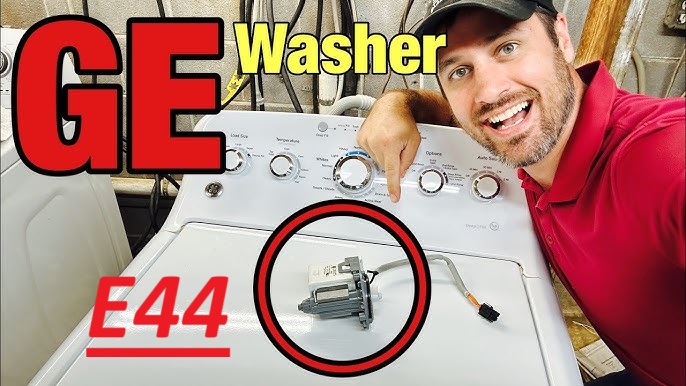
If you’ve ever wrestled with an unyielding appliance, you know just how frustrating it can be. The GE washer error code E44 indicates a problem with the control knob or door lock, effectively putting a stop to your laundry cycle. This is a common issue that many users encounter, and the good news is that there are often simple DIY solutions.
One frequent cause of this error is a misaligned control knob, which can usually be fixed with a quick adjustment. To learn more about what might be causing the E44 error and how to resolve it, keep reading this post for a comprehensive guide on troubleshooting your washer effectively.
What Does the Error Code Mean?
When your GE washer displays the error code E44, it typically means there’s a problem with the door lock mechanism. This issue usually occurs when the control panel isn’t receiving a proper signal from the door lock, which prevents the washer from starting its cycle.
To begin troubleshooting this error, first, check the door latch. Look for any obstructions, such as debris, or signs of wear that could affect its operation. If the latch seems to be in good condition, the next step is to inspect the wiring and connections that lead to the control panel. Loose or damaged wires can disrupt communication between the door lock and the control panel.
It’s also important to consider that a malfunctioning control panel might be the culprit behind this error code. Make sure it’s functioning properly by testing other controls and settings.
If you’ve thoroughly examined the latch and wiring and the error still appears, it may be time to consult a professional technician. They can help diagnose more complex electrical issues related to the door lock mechanism. Remember, safety first—if you’re not comfortable performing these checks, don’t hesitate to reach out for professional assistance.
Common Causes of the Error Code
Identifying the Root Cause
Cause 1
One common cause of the GE Washer Error Code E44 is a malfunctioning door lock assembly. When this assembly fails, it can prevent the washer from detecting whether the door is securely closed, which triggers the error. Another factor that could contribute to this issue is a problem with the control panel. If the control panel is not functioning correctly, it may fail to communicate properly with the door lock assembly, leading to the E44 code.
It’s also important to examine the wiring harness. Damaged or loose connections in this harness can disrupt the signals between the control panel and the door lock, resulting in the error.
To address these issues, start by inspecting the door lock assembly for any visible signs of wear or damage. If it appears faulty, replacing it is a good first step. Next, check the control panel for any irregularities or signs of malfunction. Finally, make sure all connections in the wiring harness are secure and intact. If you notice any damaged wires, they should be repaired or replaced to restore proper functionality. By taking these steps, you can effectively troubleshoot and resolve the E44 error code, ensuring your washer operates safely and efficiently.
Cause 2
Another potential cause of the GE Washer Error Code E44 is related to the pressure switch. This critical component is responsible for monitoring the water level in your washer, ensuring it operates correctly and efficiently. If the pressure switch becomes faulty or clogged, it can lead to the triggering of this error code.
To help prevent this issue, regular maintenance of your washer is essential. Start by checking the pressure switch for any debris or blockages that may hinder its function. Ensure that all connections to the pressure switch are secure, as loose connections can lead to erratic behavior. Additionally, inspect the air hose connected to the switch; any leaks in this hose can impact the pressure switch’s ability to accurately gauge water levels.
Cause 3
When you encounter the GE Washer Error Code E44, it’s essential to understand that several factors can lead to this issue, with the door lock mechanism often being a primary culprit. A malfunctioning door lock can disrupt communication between the control panel and the washer, preventing it from operating correctly. Below are some critical areas to examine:
- Faulty Door Lock: If the door lock is not functioning properly, it can halt the entire washing process. Inspect the lock for any visible damage or wear.
- Wiring Harness Issues: Check for any damaged or loose connections in the wiring harness. These connections are vital for proper communication between the various components of your washer.
- Control Panel Problems: A defective control panel can misinterpret signals coming from the door lock, leading to the E44 error. Ensure that the control panel is functioning as expected.
- Foreign Objects: Sometimes, debris or foreign objects can get lodged in the door lock mechanism, obstructing its operation. Inspect this area thoroughly to ensure nothing is blocking it.
Cause 4
When addressing the GE Washer Error Code E44, it’s crucial to consider some common issues that could be causing this error. One major factor might be a malfunctioning control panel. If the control panel is not operating correctly, it can disrupt the communication between various components of the washer, which can lead to the E44 error appearing.
Another potential cause to investigate is a faulty wiring harness. It’s important to check for any damaged or loose connections within the wiring harness. These issues can affect the signals transmitted from the control panel to the rest of the washer, further complicating the situation.
To resolve the E44 error and restore your washer’s functionality, ensure that both the control panel and wiring harness are in good condition. If you find any issues, replacing damaged parts or securing loose connections can often remedy the problem. Remember, safety is paramount, so always disconnect the power before performing any checks or repairs. Empower yourself with this knowledge to effectively troubleshoot and maintain your washer.
Required Tools to Fix the Error
Essential Tools for Repair
Basic Tools
When it comes to resolving the GE Washer error code E44, having the right tools at your disposal is crucial. Being prepared not only simplifies the maintenance process but also enhances your ability to troubleshoot effectively. Here’s a comprehensive list of basic tools that can help you get started:
- Screwdriver Set: You’ll need both flathead and Phillips screwdrivers to access the washer’s internal components. These tools are essential for removing panels and securing screws.
- Multimeter: This tool is vital for testing electrical connections. It allows you to measure voltage, resistance, and continuity, helping you diagnose issues with wiring and components.
- Pliers: A good pair of pliers will enable you to grip and manipulate wires or connectors safely. They can also be useful for pulling or bending components into place.
- Flashlight: A bright flashlight is indispensable for illuminating dark or tight spaces inside the washer. This will help you see what you’re working on more clearly and avoid missing any potential issues.
Supplies
Gathering the right supplies is crucial for effectively addressing the GE Washer error code E44. As an experienced technician, I can assure you that having the right tools and parts on hand will make your repair process smoother and more efficient.
Start with a reliable multimeter. This tool is essential for testing electrical components and ensuring continuity, which is vital when troubleshooting any electrical issues. Next, you’ll want to have replacement parts ready. Depending on the specific problem, this could include a new control knob or wiring harness.
Don’t underestimate the importance of having the right hand tools. A set of screwdrivers and pliers will be indispensable for disassembling your washer and accessing the components you need to inspect or replace.
Creating a clean and organized workspace is equally important. Consider using a container to keep small parts organized—this will save you time and frustration during the repair.
Before you begin, take a moment to double-check that you have all the necessary supplies gathered. This proactive step will help prevent interruptions during your repair process. With the right tools and replacement parts at your disposal, you’ll be well-equipped to tackle the E44 error and restore your washer’s functionality safely and effectively. Remember, being thorough in preparation is key to a successful repair!
Pre-Safety Checklist Before Fixing
Before you start addressing the GE Washer error code E44, it’s essential to prioritize your safety and ensure the washer remains in good working condition. Here’s a straightforward checklist of safety precautions to follow for a smooth repair process:
- Unplug the Washer: Always disconnect the power supply to avoid the risk of electrical shock. This is a fundamental step before beginning any repair work.
- Wear Safety Goggles: Protect your eyes from any potential debris that may arise during the repair. Safety goggles are a simple yet effective safeguard.
- Use Insulated Tools: When working on electrical appliances, using insulated tools can significantly reduce the risk of accidental electrical shocks. This is particularly important when dealing with any wiring.
- Maintain a Clean Work Area: Ensure that your workspace is tidy and free of any hazards. A clean area not only helps you work more efficiently but also minimizes the risk of accidents.
Diagnose the Error Code
To effectively diagnose the GE Washer error code E44, it’s essential to understand the potential issues that may trigger this code. This error often indicates a problem with the control knob, which can arise due to several factors. Here’s how you can start troubleshooting:
- Inspect the Control Knob: Look for any visible signs of damage or misalignment. A knob that is not properly aligned can prevent the washer from operating correctly.
- Check for Loose Wiring: Loose connections can lead to communication issues between the control knob and the washer’s control board. Inspect the wiring for any loose or damaged connections and tighten them as necessary.
- Clean the Control Panel: Dirt or debris can accumulate around the control knob, affecting its functionality. Use a gentle cleaner to wipe down the control panel, ensuring it’s free of any obstruction.
- Evaluate the Control Board: If the above steps do not resolve the issue, there may be a fault within the control board itself. Testing the board for functionality or considering a replacement may be necessary.
| Potential Issue | Action Required |
|---|---|
| Loose wiring | Inspect and tighten connections |
| Dirt or debris on knob | Clean the control panel |
| Faulty control board | Test or replace the board |
Step-by-Step DIY Troubleshooting Guide
Identifying the Cause of the E44 Error
Fix for Cause 1
When your GE washer displays the E44 error code, it typically points to an issue with the door latch system. To address this, follow these detailed steps:
- Inspect the door latch: Start by visually checking the door latch for any signs of damage or excessive wear. If you notice cracks, breaks, or anything that looks out of the ordinary, it may need to be replaced.
- Examine the control panel: Ensure that all buttons on the control panel are functioning properly. Sometimes, a stuck button can cause the washer to misinterpret signals from the door latch.
- Check the wiring harness: Carefully inspect the wiring harness connected to the door latch system. Look for any loose, frayed, or damaged connections. A secure and intact wiring harness is crucial for proper communication within the washer.
- Test the door lock mechanism: Manually engage and disengage the latch. It should operate smoothly without resistance. If it feels stiff or doesn’t catch properly, this could indicate a malfunction.
If you find any components that show signs of failure during your inspection, be sure to replace them. Once you have made the necessary repairs or replacements, reconnect the power to your washer and run a test cycle. Monitor the machine to see if the E44 error persists.
Following these steps will help ensure your washer operates correctly and safely, allowing you to avoid the frustrations associated with the E44 error code. Remember, taking a proactive approach to appliance maintenance can save you time and money in the long run.
Fix for Cause 2
While the door latch issue is a common cause of the E44 error code, there are several other factors that may contribute to this problem. To effectively troubleshoot, it’s essential to take a systematic approach.
First, ensure your safety by unplugging the GE washer. Once it’s unplugged, you can proceed to remove the control panel to gain access to the wiring harness. Carefully inspect the wiring for any signs of damage, such as frayed wires or loose connections. If you discover any issues, make sure to secure loose connectors or replace damaged wires as necessary.
After addressing any wiring concerns, reassemble the control panel and plug the washer back in. Run a test cycle to see if the E44 error persists. If it does, don’t worry; there are further troubleshooting steps we can take to identify and resolve the issue. Remember, thoroughness is key in diagnosing appliance problems, and your safety should always be your top priority.
Fix for Cause 3
To effectively address the E44 error code in your washer, it is essential to examine the door lock assembly, as a malfunction in this component can trigger the error. Here’s a step-by-step guide to troubleshoot the issue safely and effectively:
- Disconnect Power: Before you begin, unplug the washer from the power outlet to ensure your safety while working on the appliance.
- Inspect the Door Lock Assembly: Open the washer door and closely check the door lock assembly for any visible signs of damage, wear, or debris that may be interfering with its operation.
- Examine the Wiring Harness: Look for the wiring connections that lead to the control panel. Ensure that all connections are secure and that there are no frayed wires or corrosion that could lead to poor connectivity.
- Test the Lock Mechanism: Use a multimeter to measure the continuity of the lock assembly. This will help you determine if the lock mechanism is functioning correctly. If the multimeter does not indicate continuity when the lock is engaged, it’s likely that the lock assembly is faulty.
If you identify any issues during these inspections, replacing the defective components should resolve the E44 error code. Once you have completed your checks and repairs, remember to reconnect the power supply before testing the washer to ensure everything is functioning as it should.
Fix for Cause 4
After you’ve thoroughly checked the door lock assembly, the next step in troubleshooting the E44 error code is to examine the control board. Safety is paramount, so begin by unplugging your washer from the electrical outlet. Using a multimeter, you can check for continuity in the control board’s connections, which will help you identify any potential issues.
Take a close look at the control board for any visible signs of damage, such as burnt components or frayed wires. If you do notice any abnormalities, replacing the control board may be necessary. Be sure to follow the manufacturer’s instructions carefully during the installation process to ensure everything is connected correctly.
Once you have installed the new control board, reconnect the power and run a test cycle. This will help you determine if the E44 error code has been resolved. If you’re still facing issues, I recommend consulting your user manual or searching for specific control board diagnostics for your GE washer model online.
Call a Professional If
If you come across the GE washer error code E44 and your troubleshooting efforts haven’t resolved the issue, it may be time to consult a professional. While there are many DIY fixes that can be effective, some problems necessitate the expertise of a qualified technician to ensure both safety and optimal performance.
Consider reaching out for professional repair in the following situations:
- You’ve exhausted all troubleshooting tips without success.
- The washer is making unusual noises or vibrations that are out of the ordinary.
- You notice signs of electrical issues, such as sparks or burning smells, which can indicate a serious problem.
- You feel unsure about safely handling internal components or repairs.
Addressing these concerns promptly with a knowledgeable technician can help prevent further damage and maintain your washer’s efficiency. It’s important to remember that seeking professional help when needed is often the best course of action, especially for more complex issues. Your safety and the longevity of your appliance should always be a priority.