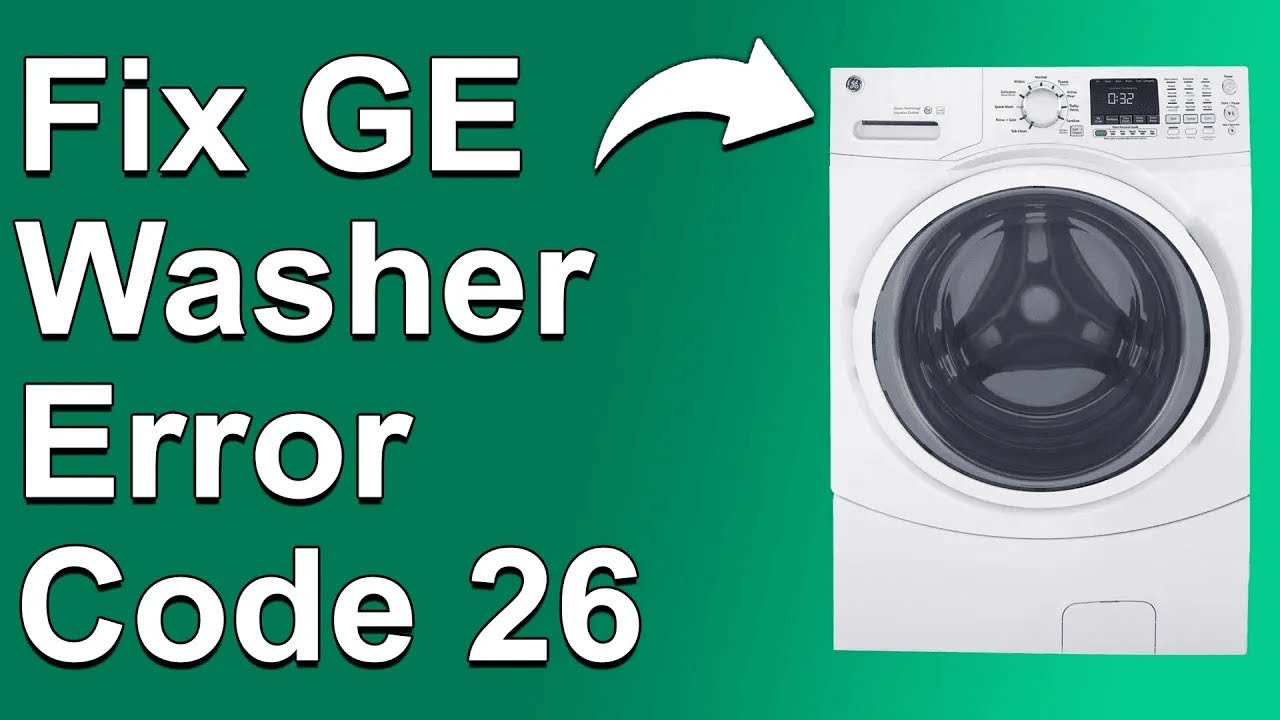
Dealing with your GE washer displaying error code E26 can be incredibly frustrating. This specific error code points to a problem with the water level sensor, which is responsible for monitoring the amount of water in the machine during different cycles.
Don’t worry; this is a common issue, and many of its causes can be resolved with simple DIY solutions.
One common cause of this error is a clogged or kinked hose that connects to the water level sensor. If this hose is blocked, it can prevent the sensor from accurately detecting the water level.
To get to the bottom of this issue and discover more potential causes and solutions, I encourage you to read through the entire post.
Understanding how to diagnose and fix this error will help get your washer back to working order in no time!
What Does the Error Code Mean?
Have you come across the GE washer error code E26? This code signifies a potential issue with the water sensor, which plays a crucial role in measuring the water level in your washer. When the sensor is not functioning correctly, it can hinder the washer’s ability to fill, rinse, or drain effectively.
To diagnose the error code E26, start by examining the connections and functionality of the water sensor. Check the wiring harness for any signs of wear or damage, and make sure the sensor is securely attached. A loose connection can often lead to issues like this.
To further investigate, you can use a multimeter to test the sensor. This will help you determine if it is operating within the appropriate resistance range. If the sensor is not functioning as it should, it may need to be replaced.
Common Causes of the Error Code
Common Triggers for GE Washer Error Code E26
Cause 1
One common cause of the GE Washer Error Code E26 is a malfunction in the door lock mechanism. When this mechanism fails, it disrupts the electrical connection to the water sensor, leading to the error code being displayed.
Let’s break down some potential issues that could be causing this problem:
| Issue | Description |
|---|---|
| Door Lock Mechanism | This part may not engage properly, which can prevent the washer from starting or completing a cycle. |
| Faulty Water Sensor | If the water sensor is malfunctioning, it may provide inaccurate readings, causing the washer to misinterpret its water levels. |
| Damaged Wiring | Any damage to the wiring can compromise the electrical connections, leading to failure in communication between components. |
| Control Board Malfunction | A malfunction in the control board can result in miscommunication between the various components of the washer, triggering error codes. |
If you encounter the E26 error code, it’s essential to address these issues promptly. Start by inspecting the door lock mechanism to ensure it engages correctly. If you’re comfortable doing so, check the wiring for any signs of wear or damage. If these components seem fine, consider testing or replacing the water sensor or control board. Always prioritize safety by unplugging the washer before performing any repairs, and if you’re unsure, consult a professional technician for assistance.
Cause 2
What other factors could contribute to the GE Washer Error Code E26? This error often arises from a few common issues that are important to address.
Firstly, a malfunctioning water level sensor may fail to accurately detect the water levels in your washer, which can trigger the error. This sensor is crucial for ensuring that your washer fills with the correct amount of water for each cycle. If it’s not functioning properly, you might find your laundry cycle halting unexpectedly.
Secondly, a damaged wiring harness can disrupt communication between the water level sensor and the control board. This can lead to incorrect readings and, consequently, the E26 error code. It’s essential to check the wiring harness for any visible damage or loose connections, as this can significantly affect your washer’s performance.
When you encounter this error, you may experience frustrating delays in your laundry routine, which can be quite inconvenient. Additionally, unresolved issues can compound over time, leading to more significant problems down the road.
To address these factors and restore your washer’s functionality, start by inspecting the water level sensor for any signs of wear or malfunction. Ensure that the wiring harness is intact and securely connected. By taking these steps, you can save yourself time and hassle, helping you get back to your laundry routine with confidence. Remember, safety is paramount—always disconnect your appliance from the power source before performing any repairs.
Cause 3
When troubleshooting the E26 error code on your GE washer, it’s crucial to consider that a malfunctioning control board might be a common culprit. The control board serves as the brain of your washer, sending signals to various components, including the water sensor responsible for measuring the water level. If the control board is defective, it may misinterpret the data from the water sensor, resulting in the E26 error code.
Additionally, it’s important to inspect the wiring connections between the control board and the water sensor. Look for any signs of damage or loose connections; these issues can disrupt communication between the components. Taking the time to check these areas is essential for effectively troubleshooting the E26 error.
Cause 4
If you’re experiencing the E26 error code on your GE washer, it’s important to consider several common causes that could be at play. A malfunctioning water sensor or problems with the wiring harness can often trigger this error. Here are some specific issues to look for:
- Damaged Wiring Harness: Check the wiring harness that connects to the water sensor. If you notice any fraying or breaks, this could disrupt the signal to the sensor.
- Faulty Water Sensor: The water sensor is responsible for accurately detecting the water levels in your washer. If it’s malfunctioning, it may not send the correct information to the control board, leading to the E26 error.
- Loose Connections: Sometimes, connections can become loose over time, which can cause intermittent failures. Ensure that all connections are secure and free from corrosion.
To troubleshoot these components effectively, you may need to perform a visual inspection. If you identify a defective water sensor or a damaged wiring harness, it’s crucial to replace these parts promptly. Addressing these common issues can help restore your washer to normal operation, minimizing stress and frustration for you.
Required Tools to Fix the Error
Essential Tools for Repair
Basic Tools
When you’re faced with the GE washer error code E26, having the right tools is crucial for a smooth and effective repair process. This error typically points to issues with the water level sensor, and diagnosing it properly can save you time and money. Here’s a straightforward list of essential tools you should have on hand before you start:
- Multimeter: This tool is indispensable for measuring electrical resistance. It will help you test the water level sensor to determine if it’s functioning correctly or if it’s time for a replacement.
- Screwdriver Set: A good set of screwdrivers is necessary to access the internal components of your washer. Different screws may require different types of drivers, so it’s best to have a variety.
- Pliers: These will come in handy for managing and removing hoses that are part of the water level system. Pliers can provide the grip you need for handling tight connections without causing damage.
With these tools ready, you will feel more confident in diagnosing the issue and restoring your washer to its full functionality. Remember, being prepared is key to a successful repair. Take your time, work safely, and don’t hesitate to consult your washer’s manual for specific guidance on your model. Happy repairing!
Supplies
Having the right supplies is crucial for effectively addressing the GE washer error code E26. To start, you’ll need a new water level sensor for replacement. Ensure that the sensor is compatible with your specific washer model to avoid any issues during installation.
Next, gather some essential tools: a screwdriver, pliers, and a multimeter. The multimeter will be particularly useful for checking the water pressure and electrical connections. It allows you to diagnose whether the existing sensor is functioning correctly before you make the replacement.
Additionally, keep a towel handy to catch any water that may spill during the process. If the old hose clamp appears damaged, it’s wise to have a replacement on hand as well. By preparing these supplies in advance, you simplify the repair process and effectively tackle the water level issue with confidence. Remember, taking the time to gather the right tools and parts can make a significant difference in the success of your repair efforts.
Pre-Safety Checklist Before Fixing
Before you begin any repairs on your GE washer, it’s essential to prioritize your safety by following a thorough pre-safety checklist. Ignoring safety measures can lead to injuries or exacerbate existing issues with your appliance. Here are some critical steps to create a safe working environment:
- Unplug the washer: Always disconnect the power supply to eliminate the risk of electrical shock. This is your first and most important step.
- Wear protective gear: Equip yourself with gloves and safety goggles. These will protect you from sharp edges and any debris that may be present during your repair process.
- Organize your tools: Make sure all your tools are in good condition and easily accessible. A well-organized workspace minimizes the risk of accidents and allows you to focus on the task at hand.
Diagnose the Error Code
To effectively diagnose the E26 error code on your GE washer, it’s important to understand what this code signifies. The E26 code typically indicates a problem with the water level sensor, impacting the washer’s ability to fill properly. Here’s a step-by-step guide to help you troubleshoot this issue safely and effectively:
| Step | Action |
|---|---|
| Inspect Wiring | Carefully check for any signs of damage or disconnections in the wiring harness connected to the water level sensor. Ensure all connections are secure. |
| Test the Sensor | Using a multimeter, measure the resistance of the water level sensor. Consult the washer’s manual or technical documentation for the expected resistance values. If the reading is outside the normal range, the sensor may need to be replaced. |
| Review Cycle Logs | If your model has a cycle log feature, review it for patterns in error occurrences. This can help you determine if the E26 error is recurring under specific conditions. |
Step-by-Step DIY Troubleshooting Guide
Transitioning to Troubleshooting Steps
Fix for Cause 1
If your GE washer displays the E26 error code, it generally points to an issue with the door lock mechanism. Let’s walk through some straightforward steps to help you identify and resolve the problem:
- Unplug the Washer: Always prioritize safety by disconnecting the power supply before you begin any troubleshooting.
- Inspect the Door Lock: Examine the door lock for any visible damage or debris. Sometimes, a simple obstruction can prevent the lock from functioning properly.
- Check Electrical Connections: Look at the wiring and connections leading to the door lock. Make sure they are securely connected and free from corrosion. Poor connections can often lead to error codes.
- Test the Door Lock Assembly: If the above steps do not resolve the issue, you may need to test the door lock assembly. Using a multimeter, measure the resistance across the lock terminals. If it falls outside the normal range, it may need replacing.
By following these steps, you can effectively troubleshoot the E26 error and restore your washer’s functionality.
- Say goodbye to unexpected laundry interruptions!
- Enjoy the satisfaction of fresh, clean clothes without hassle.
- Empower yourself with the knowledge to handle repairs confidently!
Fix for Cause 2
While the door lock mechanism is often a common reason for the E26 error code, it’s important to recognize that other components can also play a role in this issue. One significant factor to consider is the water level sensor. To help you effectively diagnose the problem, I’ve put together a straightforward step-by-step guide:
| Step | Action |
|---|---|
| 1 | Begin by unplugging the washer to ensure your safety before working on it. |
| 2 | Locate the water level sensor, which is typically found near the bottom of the washer. |
| 3 | Carefully inspect the wiring connected to the sensor for any signs of damage, fraying, or disconnection. |
| 4 | Remove any debris or buildup from the sensor itself, which can interfere with its function. |
| 5 | Use a multimeter to test the sensor’s resistance. Compare your readings to the manufacturer’s specifications to determine if it’s functioning properly. |
| 6 | If the readings are outside the acceptable range, it’s advisable to replace the sensor to resolve the error. |
Fix for Cause 3
Once you’ve taken care of the water level sensor, it’s important to examine another possible culprit behind the E26 error code: the pressure switch. This vital component communicates the water level to the control board, and any issues here can disrupt your washer’s performance. Here’s how to troubleshoot this component effectively:
- Inspect the Wiring Harness: Look for any signs of damage, such as frayed wires or corrosion. A damaged harness can lead to faulty readings.
- Examine the Pressure Switch: Check the switch for any blockages or visible defects. Sometimes, debris can obstruct the mechanism, leading to incorrect readings.
- Secure All Connections: Ensure that all electrical connections are tight and secure. Loose connections can cause intermittent issues that trigger error codes.
If you come across any frayed wires or loose connections, don’t hesitate to repair or replace them immediately. A malfunctioning pressure switch can lead to inaccurate signals being sent to the control board, which may, in turn, cause the E26 error. By methodically addressing these components, you enhance your chances of restoring your washer’s functionality and reducing the stress of recurring error codes. Remember, safety first—always unplug your appliance before performing any repairs.
Fix for Cause 4
To effectively address the E26 error code, it’s important to carefully investigate the drain pump, a crucial component responsible for removing water from your washer. First and foremost, ensure your safety by unplugging the washer before starting any examination.
Next, locate the drain pump, which is typically situated near the bottom of the machine. Once you’ve found it, inspect for any visible blockages, such as lint, debris, or foreign objects that may hinder proper water flow. If you notice any obstructions, gently clear them out to facilitate smooth drainage.
Following that, take a close look at the pump itself for any signs of cracks or damage. A compromised pump can significantly affect its ability to function correctly. Additionally, it’s wise to check the connections of the water level sensor to the pump. Loose or damaged connections can lead to incorrect readings, which may trigger the error detection system.
Once you’ve addressed these potential issues, carefully reassemble everything, plug the washer back in, and run a test cycle to determine if the E26 error code persists. If the problem remains unresolved, it may be necessary to consult the user manual or seek professional assistance. Remember, taking these steps not only helps in troubleshooting the issue but also empowers you to understand your appliance better.
Call a Professional If
If you encounter the E26 error code on your GE washer and basic troubleshooting doesn’t resolve the issue, it’s advisable to call a professional technician. Ignoring ongoing problems can lead to more significant damage, potentially resulting in costly repairs down the road. A qualified technician will accurately diagnose the issue with the water level sensor and ensure it’s fixed properly.
Here are a few reasons to seek professional help:
- Peace of Mind: You deserve to have confidence that your washer is being handled by an expert who understands the intricacies of the appliance.
- Prevent Water Damage: Addressing leaks promptly can save you from the stress and financial burden of water damage in your home.
- Reliable Functionality: Enjoy the relief that comes from having a washer that operates correctly and efficiently again.
Don’t hesitate to reach out for assistance. Professional technicians are equipped with the knowledge and tools necessary to resolve the E26 error effectively, allowing you to return to your daily routine with minimal disruption. Remember, taking the safe route often leads to the best outcome.