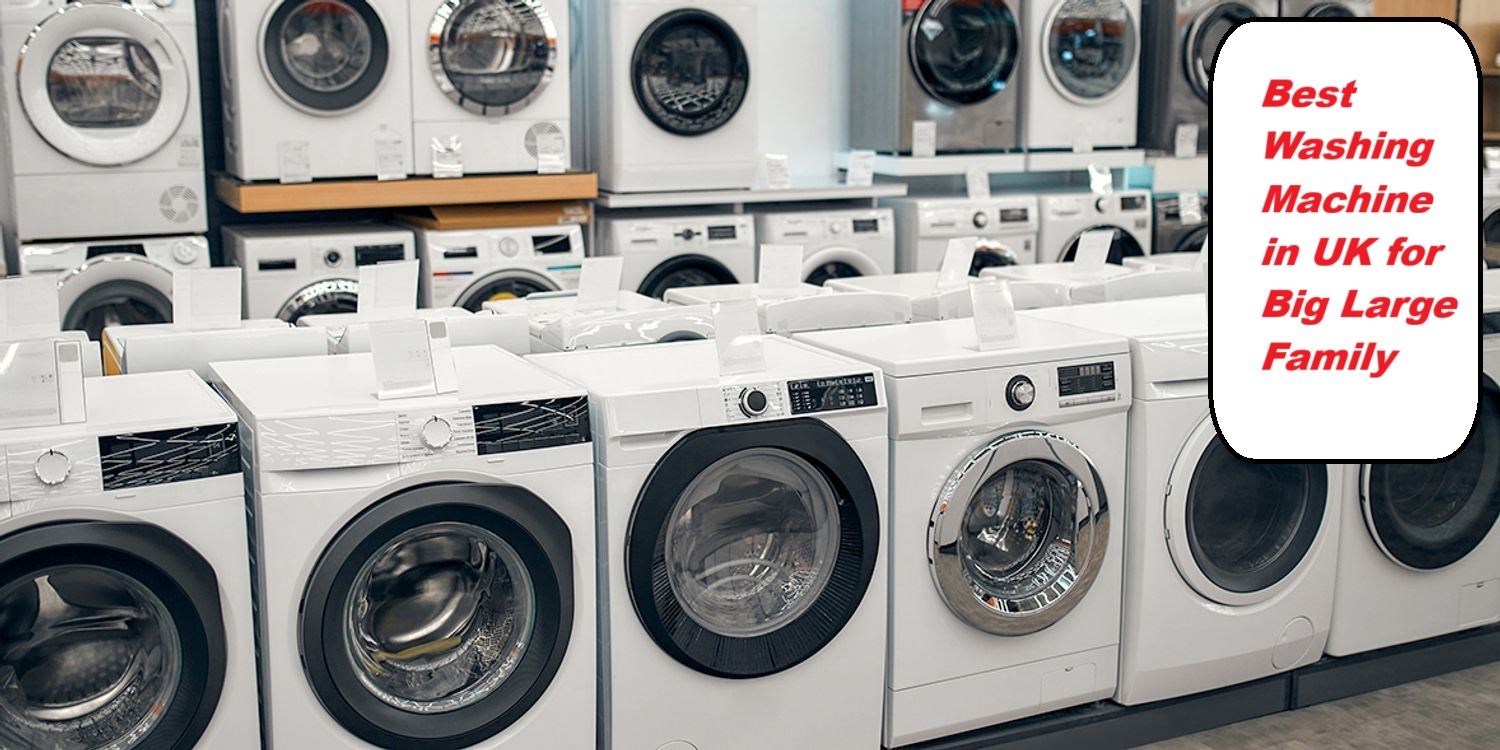
When you’re in the market for a new washing machine, it’s essential to take into account several key factors that can impact your laundry experience. You’ll need to evaluate the type of machine, its energy efficiency, and the size that best fits your space. Additionally, understanding the various wash programs and spin speeds available can greatly influence your choice. Before you decide, let’s explore how these elements can affect both the performance and efficiency of your appliance.
Type
Choosing the Right Type of Washing Machine
When selecting a washing machine, it is crucial to consider factors such as capacity, energy efficiency, and the types of cycles offered. A washing machine’s performance can be affected by its water supply, so understanding the importance of water supply issues can help prevent common problems like the LF error code.
Freestanding
Freestanding washing machines are a popular choice for many households due to their versatility and convenience. One of the key advantages of these machines is their straightforward installation process. You can set them up in any location that has access to plumbing and electrical outlets, which makes them a flexible option for different spaces in your home.
These machines also come in various capacities, allowing you to select one that suits your laundry needs, whether it’s for a small apartment or a larger family. However, it’s essential to consider some of the disadvantages as well. Freestanding models generally occupy more floor space compared to integrated washers, which can be a concern if you’re working with a smaller area.
Additionally, the exposed design of freestanding machines may not always blend seamlessly with your kitchen or laundry room decor. If aesthetics are important to you, this is something to think about. Regular maintenance, including cleaning the drain pump filter, can help ensure optimal performance and prevent issues such as error codes.
Ultimately, weighing these pros and cons is crucial in determining whether a freestanding washing machine aligns with your specific requirements and fits well within your home’s layout. Always remember to prioritize safety during installation and use, ensuring that the machine is properly leveled and connected to prevent any leaks or electrical issues.
Integrated
If you’re looking to achieve a polished and cohesive look in your laundry area or kitchen, integrated washing machines could be the perfect solution for you. These appliances are designed to blend seamlessly with your cabinetry, creating an aesthetically pleasing environment. By concealing the washing machine behind a cabinet door, you can keep your space tidy and organized while still benefiting from the latest washing technology.
One of the key advantages of integrated washing machines is their energy efficiency. Many models are designed to use less water and electricity, which can lead to lower utility bills, especially in smaller homes or apartments where every bit of savings counts. Additionally, these units often come with space-saving features that make them ideal for tight areas.
It’s also worth noting that many integrated washing machines are equipped with smart technology, allowing you to monitor and control your washing cycles remotely via smartphone apps. This added convenience can be a real time-saver. Moreover, ensuring a stable power supply with surge protectors can help prevent issues such as unexpected error codes during operation.
Semi-integrated
Semi-integrated washing machines strike a great balance between style and functionality, making them a popular choice for many households. They are designed to fit seamlessly into your cabinetry while keeping the control panel visible for easy access. This feature not only maintains a sleek look in your kitchen or laundry room but also ensures that you can operate the machine without any hassle.
When considering a semi-integrated washing machine, it’s important to look for models that enhance usability. Features like adjustable wash cycles and energy-efficient settings can make a significant difference in your laundry routine. Many of these machines also incorporate noise reduction technology, which is particularly beneficial if you have an open-plan living space.
Before making a purchase, take the time to measure the dimensions of your cabinetry to ensure a perfect fit. Additionally, check the variety of wash programs available; having the right settings can cater to your specific laundry needs, whether you’re washing delicate fabrics or tackling tough stains.
Top Loaders
When choosing a washing machine, top loaders offer a practical mix of convenience and efficiency that many households find appealing. These machines typically come with larger washing capacities, making them well-suited for families that have substantial laundry needs.
Most top loaders are designed with user-friendly interfaces, allowing for straightforward operation. Many models also include customizable settings tailored to different fabric types and soil levels, ensuring optimal cleaning performance for your laundry.
One of the significant advantages of top loaders is that they generally require less bending, which can be particularly beneficial for individuals with mobility challenges. Additionally, it’s wise to consider the energy efficiency ratings—modern top loaders can save you money on utility bills while still providing effective washing results.
Cold Fill
Choosing a washing machine with a cold fill option is a decision that can significantly reduce your energy consumption while caring for your garments. Using cold water not only helps lower your energy bills but also protects your clothes from the potential damage that high temperatures can cause. Let’s explore four key benefits of opting for a cold fill washing machine:
- Energy Efficiency: Cold water cycles are inherently more energy-efficient than hot washes. By using cold water, your machine consumes less energy, which can lead to noticeable savings on your utility bills over time.
- Fabric Longevity: Lower temperature settings are gentler on fabrics, especially delicate ones like silk or lace. Washing your clothes in cold water helps maintain their integrity, ensuring they look good and last longer.
- Stain Removal: Many common stains, such as those from food or drinks, can be effectively treated with cold water. In fact, using cold water can help prevent stains from setting, making it easier to clean your clothes without damaging the fabric.
- Environmental Impact: By reducing your reliance on hot water, you contribute to a lower carbon footprint. This is an important consideration for those who want to minimize their environmental impact while still keeping their laundry fresh and clean.
Investing in a washing machine that features a cold fill option is a wise choice for anyone looking to save money and adopt a more eco-friendly laundry routine. Remember, making informed decisions about your appliances can lead to better care for your clothes and a more sustainable lifestyle.
Wash Programmes
Understanding the various wash programs on your washing machine is crucial for achieving the best laundry results. Each cycle is engineered for specific fabric types and levels of soil, ensuring thorough cleaning while caring for your clothes. For example, the delicate cycle is perfect for fragile items like silk or lace, as it uses gentle agitation and lower temperatures to avoid damage. On the other hand, the heavy-duty cycle is designed to tackle tough stains on sturdy fabrics such as cotton or denim, providing a robust wash to get them clean.
Many modern machines also feature quick wash options, which are ideal for lightly soiled clothes. These settings save time while still delivering satisfactory results. By selecting the right wash program, you not only optimize cleaning efficiency but also extend the life of your garments. This thoughtful approach makes your investment in a washing machine truly worthwhile.
Washing machine symbols
Understanding washing machine symbols is essential for optimizing your laundry experience and ensuring your garments receive the care they need. Familiarity with these icons empowers you to select the appropriate settings, ultimately preserving the quality of your clothes. Let’s delve into four key laundry symbols you should know:
Understanding washing machine symbols is crucial for effective laundry care and maintaining your clothing’s quality.
- Water Temperature: This symbol indicates the recommended washing temperature for your garments. It is typically represented by dots—one dot signifies cold water, while three dots indicate hot water. Knowing the right temperature can prevent shrinking or fading.
- Washing Cycle: This icon denotes the type of wash cycle suitable for your fabrics, such as a normal or delicate cycle. It is often illustrated as a circle with various lines inside. Selecting the correct cycle helps maintain the integrity of your clothing.
- Bleaching: A triangle symbol appears to indicate whether bleach can be used on a particular fabric. If the triangle is blank, bleach is safe to use; if it has an “X” through it, avoid bleach to prevent damaging the fabric.
- Drying Instructions: Look for a square with a circle inside to understand the drying method recommended for your items. Lines within the circle indicate whether air-drying or tumble drying is appropriate. Following these guidelines ensures your clothes dry properly without risk of damage.
Spin Speeds
When it comes to washing machines, understanding spin speeds is essential for getting your laundry just right. Spin speeds, typically between 1200 and 1600 RPM, significantly affect how much moisture remains in your clothes after the wash cycle. A higher spin speed means that your laundry will retain less water, allowing it to dry faster. This not only saves you time but also reduces energy costs when using a dryer.
However, it’s crucial to consider how long your clothes are subjected to these higher spin speeds. Longer spin cycles can wear down delicate fabrics, leading to premature damage. Therefore, it’s important to strike a balance between spin speed and duration to ensure your clothes come out clean and in good condition.
For heavier items like towels, a higher spin speed can be quite beneficial as it helps extract more water, making them easier to dry. On the other hand, lighter fabrics such as delicates should be treated with gentler spins to avoid any harm.
Washer Dryers
Evaluating the Pros and Cons of Washer Dryers
Advantages
- Space Efficiency: Washer dryer combos are particularly beneficial for those living in apartments or smaller homes. By combining two essential functions—washing and drying—into a single unit, they help you maximize your available space without sacrificing convenience.
- Reduced Utility Bills: These machines are designed to use less energy and water compared to traditional separate units. This efficiency can lead to noticeable savings on your monthly utility bills, making them a cost-effective choice for your laundry needs.
- Time-Saving Convenience: With a washer dryer combo, you can wash and dry your clothes in one continuous cycle. This eliminates the hassle of transferring wet laundry between machines, saving you valuable time and effort.
- Ease of Use: Many models come equipped with user-friendly controls and settings. This makes it easier for anyone, regardless of their laundry experience, to operate the machine effectively and manage their laundry tasks with minimal frustration.
Given these advantages, a washer dryer combo can be a practical solution for your laundry needs, especially if you’re looking to save space and time. Always ensure to follow the manufacturer’s guidelines for optimal performance and safety.
Disadvantages
While washer dryer combos can be an appealing option for many households, it’s important to acknowledge some significant disadvantages before making a purchase. One key concern is maintenance costs. Due to their combined functionality, these units may experience more frequent issues, leading to higher repair expenses over time. As someone with over 20 years in the field, I can assure you that regular maintenance is crucial for these machines, and neglecting it could result in costly breakdowns.
Noise levels are another factor to consider. Many washer dryer combos tend to operate at higher decibel levels compared to separate units. This can be particularly noticeable during the drying cycle, which is often the loudest part of the process. If you live in a small space or do laundry during odd hours, this noise can be a significant inconvenience.
Capacity is also a consideration. Generally, washer dryer combos have smaller drum sizes than traditional washers and dryers. This means you might find yourself doing laundry more frequently, which can be a hassle for busy households.
Ultimately, it’s essential to weigh these disadvantages against your specific needs and circumstances. Understanding these factors will help you make an informed decision about whether a washer dryer combo is the right fit for you. Always remember, investing time in research and understanding your options is a critical step in ensuring you choose the best appliance for your home.
Energy Efficiency
When it comes to purchasing a washing machine, energy efficiency is a key aspect that can significantly affect both your utility bills and the environment. With over 20 years of experience in washer repairs, I’ve seen firsthand how the right machine can make a difference. Here are some straightforward tips to help you choose the most energy-efficient washing machine for your needs:
Energy efficiency is crucial when buying a washing machine, impacting both your bills and the environment.
- Energy Ratings: Look for models with high energy ratings, specifically A++ or above. These ratings indicate that the machine consumes less power, which can lead to noticeable savings on your electricity bill over time.
- Water Usage: Pay attention to the water consumption per cycle. Efficient machines are designed to use less water while still delivering excellent cleaning results. This not only saves money but also conserves a vital resource.
- Spin Speed: Consider the spin speed of the machine. Higher spin speeds can extract more water from your clothes, reducing drying time. This means less energy is needed to dry your laundry, which is a win for your wallet and the environment.
- Load Capacity: Look for machines that can handle larger loads. A higher load capacity allows you to wash more clothes in a single cycle, which means you can do fewer loads overall. This can lead to significant energy savings as well.
Installation
Proper installation of your washing machine is crucial for optimal performance and longevity. Before making a purchase, it’s important to thoroughly check the installation requirements specific to the model you are considering. Here are some key factors to keep in mind:
- Space Considerations: Ensure you have sufficient space for the washing machine, allowing for proper ventilation and access to both the front and back of the unit.
- Plumbing Connections: Verify that your existing plumbing can accommodate the washing machine. This includes having the correct water supply lines and a drainage system capable of handling the machine’s output.
- Electrical Requirements: Make sure you have electrical outlets that meet the specifications of your washing machine. This includes verifying the voltage and amperage requirements. It’s essential to use a dedicated circuit to prevent overload.
- Installation Costs: Consider the costs associated with installation. Professional setup can vary significantly based on your location and the complexity of the installation. Some retailers offer installation services for an additional fee, while others may provide a DIY option if you feel comfortable with the process.
- Safety First: Keep in mind that improper installation can lead to serious issues, such as leaks, inefficient washing, or even damage to your home.
Taking the time to understand and prepare for these installation requirements will not only enhance your washing machine’s performance but also help you avoid future headaches and unexpected expenses. Your investment in proper installation is a step towards ensuring your washing machine operates safely and efficiently for years to come.
Size and Measurement
Considerations for Washing Machine Dimensions
Full Appliance Size
Understanding the full appliance size is crucial when selecting a washing machine that will fit well in your laundry space. Knowing the dimensions ensures you choose a model that not only fits your area but also meets your laundry needs effectively. Here are some important factors to consider:
- Measure the Space: Use a tape measure to confirm the height, width, and depth of your laundry area. This step is fundamental to avoid any surprises during installation.
- Check Door Swing: Make sure there’s enough clearance for the door to open fully. This is important for hassle-free loading and unloading of laundry.
- Reflect on Full Appliance Capacity: Larger-capacity washing machines can handle bigger loads, which can be a time-saver. However, they often require more space. Assess your laundry habits to determine if this is a necessary feature for you.
- Evaluate Compact Washing Machines: If your laundry area is limited, consider compact models. These machines are designed to offer functionality without taking up much space, making them ideal for smaller homes or apartments.
Drum Size
Choosing the right drum size for your washing machine is crucial for optimal efficiency and performance. The drum capacity directly influences how much laundry you can wash in a single cycle. A larger drum can accommodate bigger loads, which can enhance load efficiency by minimizing the number of cycles you need to run. However, if the drum is excessively large for your typical laundry needs, you may end up wasting water and energy when washing smaller loads.
To determine the ideal drum size for your household, take a moment to assess how often you do laundry and the volume of laundry you typically handle. For most households, standard drum capacities range from 3 to 5 cubic feet. A drum size in this range is generally sufficient for everyday laundry tasks while maintaining good energy efficiency.