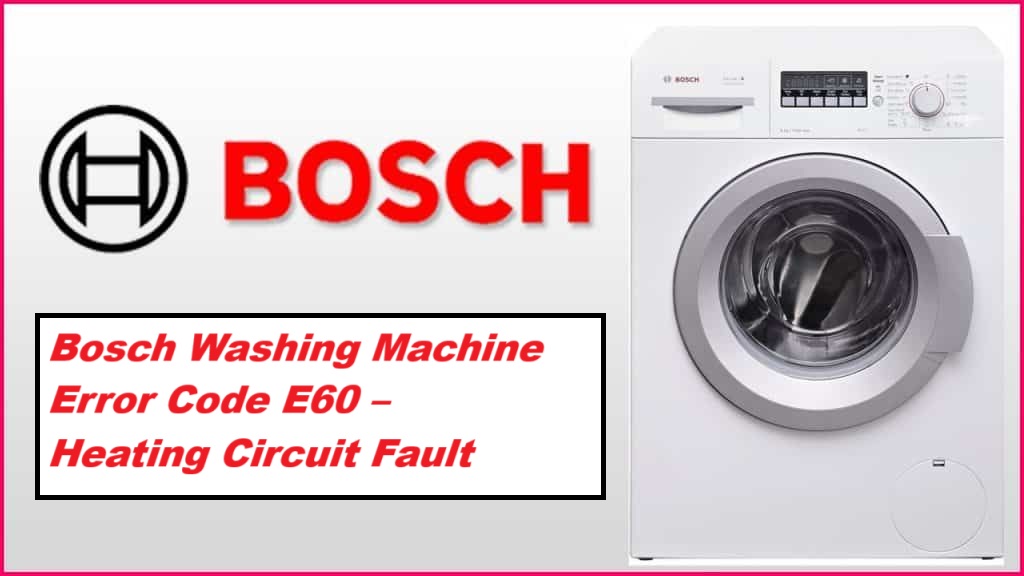
Dealing with a washing machine that isn’t working properly can be incredibly frustrating, especially when you’re trying to keep up with laundry. If your Bosch washing machine is showing error code E60, you’re not alone—this issue is more common than you might think.
In simple terms, error code E60 means that there’s a problem with the heating circuit, which can affect how clean your clothes come out.
The good news is that many causes behind this error can be resolved with some straightforward DIY solutions. One common cause of the E60 error is a faulty heating element, which can sometimes be replaced easily.
If you want to learn more about this error, including additional causes and troubleshooting steps, be sure to read through the entire post. You’ll find helpful information that can guide you in resolving this issue and getting your washing machine back to working order!
What Does the Error Code Means?
When your Bosch washing machine shows the error code E60, it usually signifies an issue with the heating element or the temperature sensor. Understanding this error code is crucial for effective troubleshooting. The heating element plays a key role in increasing the water temperature during the wash cycle, while the temperature sensor is responsible for monitoring and controlling that temperature. If either of these components fails, the machine cannot complete its cycles correctly, which leads to the E60 error code.
To tackle this issue, start by checking the heating element for continuity using a multimeter. If you find that it’s faulty, it will need to be replaced. Next, inspect the temperature sensor to ensure it is functioning properly; a malfunctioning sensor can also trigger this error. Additionally, regular maintenance can help prevent issues, including checking connections to the steam generator and cleaning clogged filters. By accurately identifying the root cause of the problem, you can efficiently resolve the issue and restore your washing machine’s performance. Remember, safety is paramount, so always disconnect the appliance from the power supply before conducting any checks or repairs.
Common Causes Behind Error Code
Potential Causes of Error Code E60 include issues with the heating element, faulty temperature sensors, or wiring problems that disrupt the heating circuit. Additionally, cleaning the keypad can sometimes resolve related error codes that may affect washer performance.
Faulty Heating Element
Have you ever considered how a faulty heating element can lead to the Bosch washing machine error code E60? When the heating element malfunctions, it can prevent the water from heating to the required temperature, which in turn compromises the effectiveness of your washing cycles. It’s also worth noting that this problem could stem from issues with the drain pump or a malfunctioning door lock, both of which can interfere with the heating process. Additionally, a consistent power supply is crucial for the washer’s operation, as unexpected power loss can lead to similar error codes.
Let’s break down the common causes of this issue:
| Cause | Description | Solution |
|---|---|---|
| Faulty Heating Element | The element fails to heat the water properly | Replace the heating element |
| Drain Pump Issues | A blockage may prevent proper water flow | Clear or replace the drain pump |
| Door Lock Malfunction | Prevents the wash cycle from starting correctly | Repair or replace the door lock |
Disconnected Wiring Harness
A disconnected wiring harness can trigger the Bosch washing machine error code E60, which impacts the machine’s ability to heat water effectively. This issue typically stems from connection problems, where the wiring harness fails to maintain a secure link between the control board and the heating element. Over time, vibrations or wear can cause these connections to loosen, resulting in intermittent faults.
To diagnose this issue, start by inspecting the wiring harness for any visible damage or loose connections. It’s important to ensure that all connectors are firmly seated and free from corrosion, as these issues can contribute to the E60 error. If you notice any problems, take the necessary steps to reconnect or replace the harness. Additionally, checking connections can help prevent further issues with the heating circuit.
Addressing these connection issues promptly can help resolve the E60 error and restore your washing machine’s functionality. Always remember to unplug the appliance before conducting any inspections or repairs to ensure your safety. If you’re unsure or uncomfortable performing these checks, don’t hesitate to reach out to a professional technician for assistance. Your washing machine’s performance depends on these connections, so maintaining them is key to keeping your appliance running smoothly.
Faulty Temperature Sensor
If you’ve ensured that the wiring harness is intact but are still encountering the Bosch washing machine error code E60, it’s quite possible that the issue is stemming from a faulty temperature sensor. This component is crucial for regulating water temperature during energy-efficient cycles. When it malfunctions, it may struggle to accurately detect the water temperature, which can subsequently lead to heating circuit faults.
Moreover, it’s worth noting that water pressure issues can also impact the sensor’s performance, resulting in erratic readings. Therefore, it’s important to inspect the sensor for any visible damage or signs of corrosion. If you do find any problems, replacing the temperature sensor could very well resolve the error code. Additionally, ensure that you are aware of common causes related to heating circuit faults, such as a clogged drainage system.
Always ensure that you are sourcing compatible replacement parts to maintain the efficiency and effectiveness of your Bosch washing machine. By taking these steps, you can help restore your appliance to optimal working condition, allowing you to continue enjoying the convenience it provides. Remember, safety is paramount, so if you’re unsure about any step in this process, don’t hesitate to consult a professional.
Blocked Water Inlet Filter
When your Bosch washing machine shows the error code E60, a common culprit might be a blocked water inlet filter. This filter plays a crucial role by screening out debris and sediment from your water supply, ensuring that your washing machine gets the proper water pressure it needs to function effectively. If this filter becomes clogged, it can restrict the flow of water into the drum, potentially leading to issues with the heating circuit.
To tackle this issue, start by checking the drain hose for any kinks or obstructions that could hinder water intake. Once you’ve done that, locate the water inlet filter, which is typically found at the point where the water supply connects to the machine. Carefully remove it for cleaning. Rinse the filter under running water to clear away any build-up.
Regular maintenance of this filter is essential; it can help prevent future problems and ensure your washing machine operates efficiently. Additionally, malfunctioning heater sensor issues may arise if the water supply is inadequate, affecting the washing cycle. By taking these steps, you can maintain optimal performance and extend the lifespan of your appliance. Remember, always prioritise safety when working on your machine, and don’t hesitate to consult a professional if you’re unsure about any steps.
Required Tools to Fix the Error
Essential Tools for Repairing Bosch Washing Machine Error Code E60
When addressing the heating circuit fault, it’s crucial to have the right tools on hand for effective repairs. Additionally, having a multimeter for testing electrical components can greatly assist in diagnosing the specific issue.
Basic Tools
Having the right tools at your disposal is crucial for effectively addressing the Bosch washing machine error code E60. To start, a multimeter is essential for checking electrical connections and verifying the functionality of the heating circuit. This tool will allow you to measure voltage and resistance, helping you pinpoint any issues with the circuitry.
You’ll also need a comprehensive screwdriver set. This will enable you to remove the necessary panels and access internal components with ease. Make sure you have a variety of screwdriver types, including Phillips and flat-head, to tackle different screws you may encounter.
A good pair of pliers is another must-have. These will assist you in gripping and manipulating wires, especially in tight spaces where your fingers might not fit comfortably.
Additionally, a torque wrench is invaluable when reassembling parts. It ensures that you apply the correct amount of pressure, which is vital for maintaining the machine’s overall energy efficiency and preventing future issues. Regular maintenance can help prevent error codes from arising, making your repairs less frequent.
Always refer to your user manual for specific guidance on tool usage and safety precautions. This not only helps in ensuring that you are working safely but also that you are following the manufacturer’s recommendations.
With these basic tools in hand, you’ll be well-equipped to diagnose and resolve the heating circuit fault effectively. Remember, taking the time to prepare properly will save you both time and potential frustration in the long run. Happy repairing!
Supplies
Before you initiate the repair process for the Bosch washing machine error code E60, it’s crucial to gather the necessary supplies to ensure a smooth and efficient repair experience. Here’s a straightforward list of what you’ll need:
- Multimeter: This is essential for checking the electrical supply and ensuring that you have the correct voltage levels. A multimeter will help you diagnose any electrical issues accurately.
- Screwdriver Set: You’ll need this to access the internal components of the washing machine. Ensure you have both Phillips and flathead screwdrivers, as different screws may be used throughout the appliance.
- Insulated Gloves: Safety is paramount when dealing with electrical parts. Wearing insulated gloves will protect you from electric shock while you work on the machine.
- Replacement Heating Element: The heating element is often the cause of heating circuit faults, which can lead to the E60 error code. Having a replacement on hand will save you time and allow you to resolve the issue promptly.
- Water Temperature Gauge: This tool will help you monitor the efficiency of the water heating process, allowing you to confirm whether the new heating element is functioning properly after installation.
- Flashlight: A reliable flashlight is invaluable for illuminating dark areas inside the machine, helping you to see what you’re working on clearly.
With these supplies prepared, you’ll be well-equipped to tackle the E60 error efficiently and safely. Additionally, it’s advisable to check for obstructions in the washer drum before starting your repair, as this can prevent further complications during the process. Remember, taking the time to gather the right tools not only streamlines the repair process but also enhances your safety and effectiveness as you work.
Pre-Safety Checklist Before Fixing
As you prepare to address the Bosch washing machine error code E60, your safety should always come first. Here are some important safety precautions to ensure a secure working environment:
- Unplug the machine: Always disconnect the power supply before starting any repair work. This is the most crucial step to prevent electrical shock.
- Check for leaks: Carefully inspect the area around the washing machine for any signs of water leaks. Water and electricity do not mix, and any leaks could pose a significant risk.
- Wear protective gear: It’s wise to use gloves and safety goggles. This protective equipment will shield you from sharp edges and any potential electrical components that may be exposed.
- Have a fire extinguisher nearby: In the unfortunate event of an electrical fire, having a fire extinguisher readily available can be vital. Ensure it is rated for electrical fires (Class C).
Diagnose the Error Code
To effectively diagnose the Bosch washing machine error code E60, it’s essential to understand its implications. This code generally indicates a fault in the heating circuit, which can hinder the machine’s ability to heat water properly for effective washing.
Start your diagnostic process by inspecting the temperature sensor and the heating element. Look for any visible signs of damage or malfunction, such as scorch marks or corrosion. Next, examine the wiring connections for any indications of wear, fraying, or disconnection. These initial troubleshooting steps will help you pinpoint the issue more accurately. Additionally, consider checking for any malfunctioning door lock assembly that could prevent the washer from operating correctly.
If you encounter any irregularities, take note of them, as this documentation will be valuable during repairs. Remember, a proper diagnosis is crucial; it allows you to address the root cause of the error code rather than merely treating the symptoms. Always prioritise safety by disconnecting the appliance from the power supply before conducting any inspections or repairs. This approach will empower you to tackle the issue with confidence.
Step-by-Step DIY Troubleshooting Guide
Next Steps for Resolving E60 Error Code
Replace the Heating Element
If your Bosch washing machine shows the E60 error code, it typically points to an issue with the heating element. Let’s walk through the steps to address this, ensuring we prioritise safety throughout the process.
First, unplug the machine from the mains supply to guarantee your safety. It’s crucial to avoid any risk of electric shock while working on your appliance.
Next, you’ll need to access the heating element, which is generally situated at the back or the bottom of the machine. To do this, you may need to remove the rear panel or tilt the machine slightly. Before proceeding, take a moment to inspect the electrical wiring connected to the heating element for any signs of wear, damage, or corrosion. If everything appears intact, you can move on to replacing the heating element.
Carefully unscrew the old heating element from its housing. You might also need to detach it from the drain pump and other components—just remember the order in which you remove everything to make reassembly easier.
Once removed, install the new heating element by reversing the steps you took to remove the old one. It’s important to ensure that all electrical connections are reattached securely to avoid any future issues.
Finally, plug the machine back in and run a test cycle to confirm that the error code has been resolved. If the E60 code reappears, it may be worth consulting a professional technician to explore other potential underlying issues.
Reconnect Wiring Harness
When dealing with the E60 error code, it’s crucial to check the wiring harness, as any loose or damaged connections can disrupt the heating element’s operation. To start, ensure your safety by unplugging the washing machine before proceeding.
Next, identify the wiring harness that connects to the heating element. Carefully inspect it for any visible issues, such as damaged insulation, frayed wires, or signs of corrosion. If you come across any problems, gently disconnect the wiring harness by releasing the clips.
To tackle corrosion, use an electrical contact cleaner to clean the affected areas thoroughly. Once everything is clean and dry, reconnect the wiring harness securely, making sure that all electrical connections are tight and secure.
After you’ve reconnected everything, plug the machine back in and run a test cycle to see if the error persists. If the E60 code continues to appear, further investigation may be required. However, in many cases, ensuring that the wiring harness is secure can effectively resolve the issue. Remember, safety first—always handle electrical components with care.
Replace Temperature Sensor
To address the E60 error code in your Bosch washing machine, replacing the temperature sensor is often a necessary step, particularly if previous troubleshooting efforts have not resolved the issue.
First and foremost, ensure your safety by unplugging the washing machine from the mains. The temperature sensor is typically located near the heating element, so take a moment to locate it. Once found, carefully disconnect the wiring harness attached to the sensor to avoid any damage.
Next, you will need to unscrew the sensor from its housing. When installing the new temperature sensor, make sure it is securely fastened in place. Reconnect the wiring harness, ensuring that all connections are tight to prevent any potential electrical problems.
After completing these steps, plug the machine back in and run a test cycle to check if the E60 error code has been cleared. If the error persists, it may indicate a deeper issue with the heating element, which will require further investigation.
Clean the Water Inlet Filter
Cleaning the water inlet filter is a crucial step in addressing the E60 error code on your Bosch washing machine. A clogged filter can significantly hinder the water flow, leading to operational issues. Let’s walk through the process safely and effectively.
- Safety First: Begin by unplugging your washing machine. This is an important precaution to ensure your safety while you work on the appliance.
- Locate the Water Inlet Valve: The water inlet valve is typically situated at the back of your washing machine. You’ll find a hose connected to it that supplies water to the machine.
- Disconnect the Hose: Carefully disconnect the hose from the valve. You may need a towel to catch any residual water that might spill out.
- Remove the Filter: With the hose disconnected, you can now access the filter. Depending on your model, you might need pliers or simply use your fingers to gently pull it out.
- Clean the Filter: Rinse the filter thoroughly under running water to remove any debris or buildup. If you notice that it’s heavily clogged, soaking it in a solution of vinegar for about 30 minutes can help break down any stubborn deposits.
- Reinstall the Filter: Once the filter is clean, reinstall it back into the valve securely. Make sure it is seated properly to avoid any leaks.
- Reconnect the Hose: Attach the hose back to the water inlet valve, ensuring it is tightened properly to prevent any water leaks.
- Final Steps: Plug your washing machine back in and run a short test cycle. This will help confirm that everything is functioning correctly.
Regularly cleaning the water inlet filter can greatly reduce the chances of encountering similar issues in the future. By taking these proactive steps, you can help ensure the longevity and efficiency of your appliance. If you continue to experience problems, it may be wise to consult a professional technician for further assistance.
Call a Professional If
If you come across the E60 error code on your Bosch washing machine and your initial troubleshooting efforts haven’t resolved the issue, it’s wise to seek the help of a professional technician. This error typically points to a malfunction within the heating circuit, which can be quite intricate and usually requires the expertise of a qualified technician.
A professional has the tools and experience to accurately diagnose the problem, ensuring that any repairs are both reliable and efficient. Additionally, if your washing machine is still under warranty, getting a professional repair can save you from incurring costs for parts and labour that might otherwise be covered.
It’s important to be cautious—trying to fix this issue yourself could potentially void your warranty, leading to unexpected expenses and further complications. To safeguard your investment and ensure your washing machine operates at its best, it’s always best to trust a qualified professional. Your appliance deserves the best care, and with expert help, you can have it back to optimal performance safely and effectively.