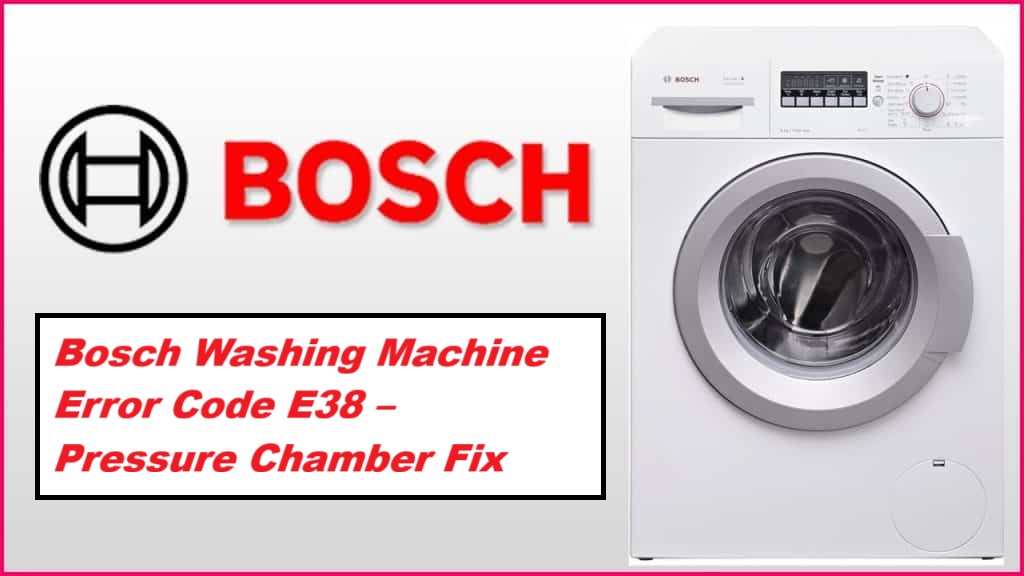
Dealing with a malfunctioning washing machine can be incredibly frustrating, especially when you encounter error code E38. This code typically indicates there’s a problem with the pressure chamber or sensor in your Bosch washing machine.
In simple terms, this means your machine is having trouble detecting the water level, which can lead to operational hiccups and a pile-up of laundry.
Don’t worry; you’re not alone in facing this issue. Many people experience this error, and the good news is that there are often simple DIY solutions to get your machine back in working order.
One common cause of the E38 error is a clogged pressure chamber, which can easily be resolved with a bit of cleaning.
To fully understand this error and explore additional causes and fixes, I encourage you to read through the entire post.
By doing so, you’ll be equipped with the knowledge needed to troubleshoot and restore your washing machine’s functionality.
What Does the Error Code Means?
When your Bosch washing machine shows the error code E38, it signals an issue with the water level sensor. This error typically arises from a malfunction within the pressure chamber, which plays a crucial role in monitoring the water level inside the drum. The pressure chamber features a tube that connects to the water level sensor, enabling it to measure water pressure accurately. If this chamber becomes blocked or develops a leak, the sensor will struggle to provide correct readings, resulting in the E38 error code. This problem can hinder your machine’s ability to fill or drain properly, thereby affecting its overall performance. To resolve this issue, it’s important to check the integrity of the pressure chamber and ensure that the water level sensor is functioning accurately. Start by inspecting the tube for any blockages or leaks and clear them as necessary. If the problem persists, it may be worthwhile to consult a qualified technician to examine the sensor itself. Additionally, ensure that the wiring connections from the sensor to the control board are secure, as loose connections can also lead to incorrect readings. By taking these steps, you can restore your washing machine’s full functionality and ensure it operates safely and efficiently.
Common Causes Behind Error Code
Common Issues to Investigate for Error Code E38. It is also essential to check for faulty control board issues that may disrupt communication with other washing machine components.
Clogged Pressure Sensor Hose
If you find that your Bosch washing machine is displaying the E38 error code, it may be due to a clogged pressure sensor hose. This hose is essential for the proper functioning of the pressure sensor, which relies on an unobstructed flow of air to accurately measure water levels in the drum.
A blockage in the hose can occur for several reasons, including the accumulation of lint, detergent residue, or even foreign objects that have become trapped within the hose. When the pressure sensor is unable to gauge water levels correctly, the washing machine misinterprets this information, resulting in the E38 error.
To address this issue, you’ll need to inspect the pressure sensor hose closely for any obstructions. Here’s a step-by-step guide to help you:
- Safety First: Before you begin, ensure that the washing machine is unplugged from the power source. This will help prevent any accidents while you work on the appliance.
- Access the Hose: Locate the pressure sensor hose, which is typically found at the back or side of the washing machine, connected to the pressure sensor and the drum.
- Disconnect the Hose: Carefully disconnect the hose from both ends. You may need a screwdriver or pliers, depending on how it’s secured.
- Check for Blockages: Inspect the inside of the hose for any visible clogs. You can use a flashlight to get a better view. If you notice any blockages, you can gently try to clear them.
- Clean or Replace: If the hose is dirty, you can clean it using warm water and a small brush. In cases where the hose is damaged or heavily clogged beyond cleaning, it may be best to replace it with a new one.
- Reassemble: Once you’ve cleared the blockage or replaced the hose, reconnect it securely to both ends.
- Test the Machine: Plug the washing machine back in and run a short cycle to see if the E38 error code has cleared. Additionally, ensuring that the pressure sensor hose is free of debris can help prevent future error codes.
Faulty Pressure Sensor
A malfunctioning pressure sensor can trigger the E38 error code in your Bosch washing machine. This important component monitors water levels and communicates with the control board. When it fails, you may experience inconsistent water levels or issues with the machine not filling properly.
To ensure your washing machine operates at its best, here are some practical troubleshooting tips and maintenance routines:
| Issue | Solution |
|---|---|
| Sensor not responding | Check the electrical connections |
| Incorrect readings | Clean the sensor and hoses |
| Physical damage | Replace the pressure sensor |
| Loose wiring | Tighten all connections |
Regular maintenance is key to preventing sensor issues. I recommend inspecting the pressure sensor periodically and ensuring that all wiring is intact. This proactive approach can help you avoid future E38 errors and keep your washing machine running smoothly. Remember, safety first—always disconnect the appliance from the power supply before attempting any repairs. Additionally, a consistent power supply is crucial for washer operation, as unexpected loss of power can lead to incomplete cycles.
Damaged Pressure Chamber Seal
When the pressure chamber seal in your Bosch washing machine is damaged, it can lead to significant issues, including the E38 error code. A compromised seal may cause leaks, which in turn affect the pressure readings and ultimately trigger this error. There are several common reasons for seal damage, such as regular wear and tear from everyday use, exposure to harsh detergents, or even improper installation during maintenance.
To address this issue, you will need to replace the damaged seal. Here’s a step-by-step guide to help you through the process safely and effectively:
- Safety First: Before you begin, ensure that the washing machine is unplugged from the power source to avoid any risk of electric shock.
- Access the Pressure Chamber: Depending on your Bosch model, you may need to remove the back panel or other components to gain access to the pressure chamber. Refer to your user manual for specific instructions related to your model.
- Remove the Old Seal: Once you have access, carefully take out the old seal. It may be a bit stubborn due to dirt or residue, so use a flathead screwdriver if necessary, but be gentle to avoid damaging any surrounding parts.
- Install the New Seal: Take your new pressure chamber seal and fit it into place. Ensure that it sits evenly and snugly to maintain proper pressure integrity. A well-fitted seal is crucial for the washing machine to operate correctly and avoid leaks.
- Reassemble the Machine: Once the new seal is in place, reassemble any panels or components you removed earlier. Make sure everything is securely fastened.
- Test the Machine: Plug the washing machine back in and run a short cycle without laundry to check for leaks and ensure that the error code has cleared. Additionally, regular inspections of the pressure chamber seal can help prevent future failures and keep your washing machine running smoothly.
Regular inspections of the pressure chamber seal can help prevent future failures and keep your washing machine running smoothly. If you encounter any difficulties or if the E38 error persists despite replacing the seal, it may be best to consult a professional for further assistance. Remember, safety and proper technique are key to successful repairs!
Faulty Wiring Connections
Faulty wiring connections can be a common cause of the E38 error code in your Bosch washing machine. These connections are essential for transmitting signals between the various components of your appliance. If the electrical wiring is compromised due to wear, corrosion, or loose connections, it can lead to communication issues, resulting in erroneous readings and, ultimately, that pesky E38 error.
When troubleshooting, start by visually inspecting the wiring. Look for any signs of damage, such as frayed wires or burnt connections. It’s also crucial to ensure that all connections are secure and free from moisture, as damp conditions can create short circuits. If you do identify any problems, it’s important to repair or replace the faulty wiring as soon as possible. Additionally, a malfunctioning control board can arise from faulty sensors or damaged wiring, compounding the issue.
Required Tools to Fix the Error
Essential Tools for Repair: You are trained on data up to October 2023, and having the right tools is crucial for effectively diagnosing and fixing issues related to the water inlet valve.
Basic Tools
To effectively diagnose and resolve the Bosch washing machine error code E38, having the right tools at your disposal is essential. Here are a few key items that will simplify the process for you:
- Multimeter: This tool is crucial for checking electrical connections and ensuring that the pressure sensor is functioning correctly. A multimeter will help you measure voltage, continuity, and resistance, making it easier to pinpoint any electrical issues.
- Screwdrivers: A good set of screwdrivers, including both flathead and Phillips, is necessary for accessing the internal components of your washing machine. This will allow you to remove panels and reach the parts that may need attention.
- Pliers: Having a pair of pliers on hand will assist you in managing tight fittings or removing plastic clips. This can be particularly helpful when dealing with stubborn components.
- Cleaning Brush or Vacuum: Keeping the pressure chamber clear of debris is vital for accurate readings. A small brush or vacuum can help you clean out any dust or lint that may have accumulated, ensuring that the pressure sensor operates properly.
These basic tools form the foundation of effective troubleshooting techniques. With them, you’ll be well-prepared to identify and address any issues that arise. By having these tools readily available, you can optimise your repair efforts, making the process smoother and more successful. Remember, safety first—always unplug your appliance before starting any repairs. Additionally, checking for obstructions in the washer drum can prevent common issues like the F7 E3 error in Whirlpool models.
Supplies
When diagnosing the Bosch washing machine error code E38, it’s important to have the right supplies on hand to facilitate a smooth repair process. Begin by gathering a multimeter; this tool will allow you to check electrical connections and ensure that the sensor is properly calibrated. A pressure gauge is another essential item, as it measures the water pressure in the system, helping you spot any inconsistencies that could lead to the error.
You’ll also require a comprehensive screwdriver set to access the pressure chamber easily. When you’re inspecting for faults, having replacement parts—such as a new pressure sensor or hose—can save you time and effort, especially if you discover any components that are malfunctioning.
Don’t overlook the importance of cleaning supplies; removing any debris from the pressure chamber is crucial for optimal performance. With these tools and supplies at your disposal, you’ll be well-prepared to address the E38 error and restore your washing machine to its full functionality. Additionally, regular maintenance can help prevent issues like the F4 E3 error code from occurring in the future. Remember, taking the time to approach the repair methodically will ensure both your safety and the longevity of your appliance.
Pre-Safety Checklist Before Fixing
Before embarking on any repair work on your Bosch washing machine, it’s crucial to prioritize your safety and the integrity of your appliance. Adhering to proper safety measures and donning personal protective equipment can significantly reduce the risk of accidents and ensure a smooth repair process. Here’s a straightforward checklist to guide you:
- Power Down: Always unplug the washing machine from the mains to eliminate any electrical hazards. This is your first and most important step.
- Eye Protection: Equip yourself with safety goggles to shield your eyes from potential debris or splashes that may occur during the repair.
- Hand Safety: Wear rubber gloves to protect your hands from electric shock and to prevent skin irritation from any cleaning agents or machine components.
- Workspace Preparation: Ensure that your workspace is dry and free from clutter. A tidy area helps you work more efficiently and safely.
- Emergency Readiness: Keep a fire extinguisher within reach, just in case of any unforeseen emergencies. It’s always better to be prepared.
- Drainage Considerations: Check for potential drain system blockages that may complicate repairs and ensure proper water flow during the process.
Diagnose the Error Code
With safety measures firmly in place, let’s delve into diagnosing the E38 error code on your Bosch washing machine. First, check the display for the error message, as this code typically points to a problem with the pressure chamber.
To begin your diagnosis, verify that the pressure sensor is working correctly. This component is crucial for detecting water levels in the washing machine. If it’s malfunctioning, it can trigger the E38 error. Next, take a close look at the pressure chamber itself; ensure there are no blockages or leaks that could hinder its operation.
Verify the pressure sensor’s functionality and check the pressure chamber for blockages or leaks to address the E38 error.
Don’t overlook the hoses connected to the pressure chamber. Conduct a thorough inspection for any kinks, bends, or obstructions that may impede water flow. It’s essential to maintain clear pathways for the system to function properly.
For precise error interpretation and guidance, I recommend consulting your user manual. This resource can provide specific details regarding the E38 code and its implications for your machine.
Step-by-Step DIY Troubleshooting Guide
Transition to Troubleshooting Steps for E38 Error Code
Clear Pressure Sensor Hose
How can you effectively clear the pressure sensor hose in your Bosch washing machine? Let’s walk through the process step-by-step, ensuring safety and clarity.
- Unplug the Machine: Start by disconnecting the power supply to your washing machine. This is crucial for your safety, as it prevents any accidental electrical shocks while you work.
- Turn Off the Water Supply: Next, ensure that the water supply to the machine is turned off. This step helps avoid any spills or leaks during the procedure.
- Locate the Pressure Sensor Hose: The pressure sensor hose is typically situated near the pressure chamber. It’s a small, flexible tube that monitors the water level inside the drum. Take a moment to identify it before proceeding.
- Detach the Hose Carefully: Gently remove the hose from its connection point. As you do this, inspect the hose for any visible blockages, kinks, or signs of wear that could interfere with its function.
- Clear Any Blockages: If you find any debris inside the hose, use a soft brush or a can of compressed air to dislodge and clear it. Be thorough but gentle, as you don’t want to damage the hose.
- Reattach the Hose: Once you’ve cleared the hose, securely reattach it. Ensure that it’s fitted correctly to maintain accurate sensor readings.
- Run a Test Cycle: Finally, plug your washing machine back in and turn on the water supply. Run a short test cycle to confirm that the issue has been resolved and that the error code E38 no longer appears.
Replace Faulty Pressure Sensor
If you’ve cleared the pressure sensor hose and the error code E38 persists, this likely signifies a faulty pressure sensor that requires replacement. First and foremost, ensure safety by unplugging your washing machine before proceeding with any troubleshooting.
The pressure sensor is typically located near the pressure chamber. To access it, carefully detach the wiring harness. When removing the sensor, you will likely need a screwdriver. Before installing the new sensor, it’s essential to inspect the connector for any signs of damage or corrosion, as this can affect the sensor’s performance.
After you’ve ensured that the new sensor is compatible and the connector is in good condition, install the new sensor in the same position as the old one. Reconnect the wiring harness securely, and make sure to reassemble any parts you removed during the process.
Once everything is back in place, plug the machine back in and run a test cycle to see if the error code E38 has cleared. If the issue persists, it may be necessary to conduct further investigation, which could involve checking the wiring or other related components. Remember, taking a methodical approach will help you diagnose and resolve the issue efficiently.
Replace Pressure Chamber Seal
Since you’ve already replaced the pressure sensor but the error code E38 persists, it’s essential to investigate the pressure chamber seal for any signs of wear or damage. Safety should always be your first priority, so begin by unplugging the washing machine from the mains.
Next, you’ll need to locate the pressure chamber, which is typically situated near the water inlet. Once you’ve found it, carefully remove the chamber cover and inspect the seal for any cracks, splits, or general deterioration. If you do find any damage, replacing the seal is necessary to ensure proper operation.
When purchasing a new seal, make sure it’s compatible with your specific washing machine model. Once you have the new seal, install it carefully, ensuring it fits snugly to prevent any leaks. After reassembling the pressure chamber, plug the machine back in and run a short test cycle. Pay particular attention during the spin cycle and observe the water temperature. This will help determine if the issue has been resolved.
Repair Wiring Connections
Before you embark on any repairs, the very first step is to ensure that the washing machine is unplugged. This is crucial for your safety, as it helps to eliminate any risk of electrical hazards.
Next, conduct a detailed inspection of the wiring. Pay close attention to the connections that lead to the pressure chamber and other essential components. Look for signs of wear, corrosion, or any disconnections that could impact the machine’s performance. If you encounter any damaged wires, it’s important to address the issue promptly.
To repair a damaged wire, begin by cutting out the affected section. Strip the ends of the wires to expose enough length for a secure connection. Twist the wires together firmly, ensuring a good electrical connection. To protect your repair from moisture and further damage, cover the exposed area with heat shrink tubing or electrical tape.
Once all repairs are complete, carefully reconnect any plugs or terminals that may have been removed during the process. After ensuring everything is secure, plug the machine back in and run a test cycle. This will help you confirm whether your repairs have restored functionality. Remember, taking these steps not only enhances the longevity of your appliance but also ensures a safe working environment.
Call a Professional If
While troubleshooting your Bosch washing machine, you may come across the E38 error code. This code often indicates issues that can be complex and may require professional assistance. If you’ve checked the wiring connections and the error continues to appear, it’s advisable to consider enlisting the help of a qualified technician.
Problems associated with the pressure chamber or control board can be intricate and typically necessitate expert repair. Attempting to resolve these issues without the right knowledge or tools can not only complicate the problem further but may also pose safety risks.
If you’re feeling uncertain about the repairs or lack the necessary equipment, I strongly encourage you to reach out to a technician. Their experience can help you save time and ensure your washing machine is restored to optimal working condition, which will help prevent any future interruptions in your laundry routine. Remember, it’s always best to prioritise safety and efficiency in appliance repairs.