Dealing with a Bosch washing machine that suddenly displays the “NO” error code can be incredibly frustrating. This specific code indicates that your machine is not receiving any water, which can bring your laundry day to a screeching halt. But don’t worry—this is a common issue, and there are often simple DIY solutions that you can try.
One frequent cause of the “NO” error code is a problem with the water supply valves. If these valves are turned off or blocked, your washing machine won’t be able to fill up with water. However, this is just one of many potential reasons for this error.
To fully understand what’s causing the problem and how to fix it, I encourage you to read through the entire post. You’ll find a structured troubleshooting guide that covers all possible causes and solutions, helping you get your Bosch washing machine back in working order in no time.
What Does the Error Code Means?
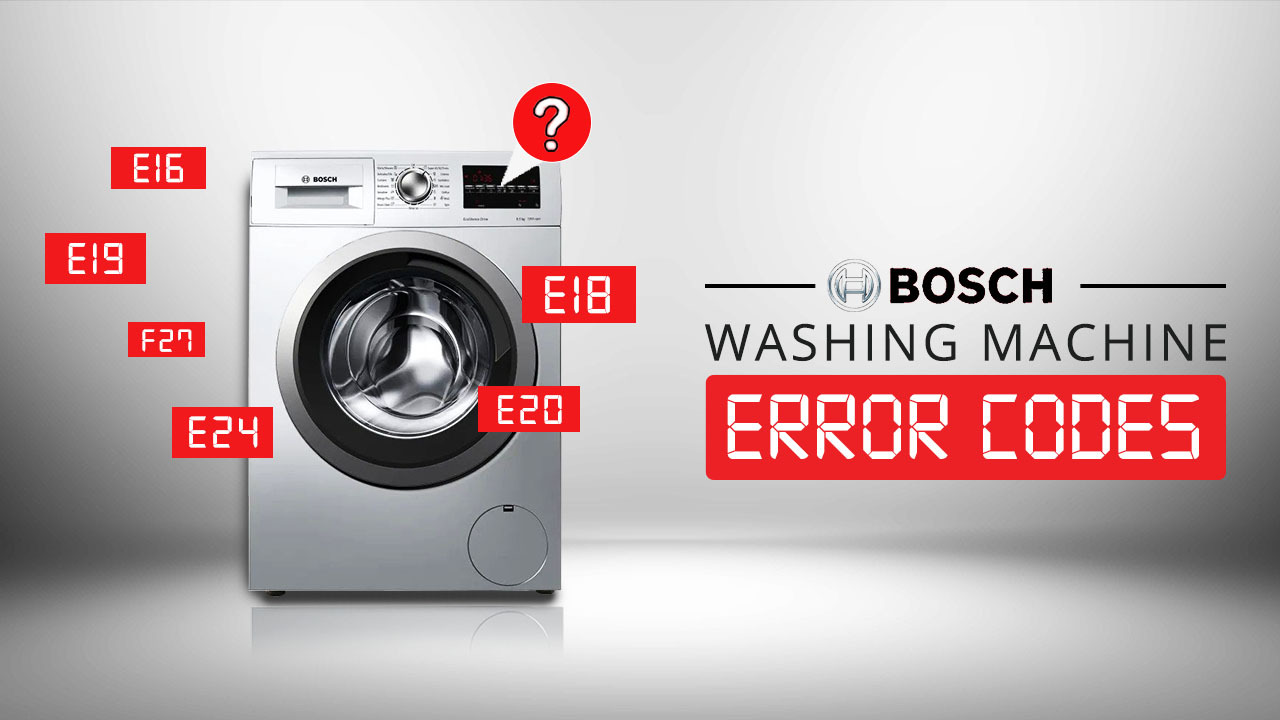
When your Bosch washing machine displays an error code, it indicates a specific issue that requires your attention. Generally, the “NO” code points to a problem with water entering the machine. This could be due to insufficient water pressure, which prevents the drum from filling properly.
First, check the water supply valves to ensure they are fully open. It’s easy to overlook this step, but a partially closed valve can significantly affect water flow. Next, inspect the hoses connected to your washing machine for any kinks or blockages that might be obstructing the water supply. Make sure they are free from damage and securely connected.
If the control panel continues to show this error after checking the water supply, you’ll want to look into the electronic components. A malfunctioning pressure switch, which monitors the water level, could be the culprit. Testing or replacing this component may be necessary if you suspect it’s not working correctly. Additionally, it’s important to ensure a consistent power supply as power interruptions can also lead to operational issues in appliances like washers.
Common Causes Behind Error Code
Troubleshooting Common Bosch Washing Machine Issues
Error codes like F2 E1 can often indicate issues with water level sensing systems, making it crucial to understand the underlying causes.
Clogged Water Inlet Filter
A clogged water inlet filter can significantly hinder your Bosch washing machine’s performance, often resulting in error codes that suggest water supply issues. When debris or mineral deposits accumulate in the inlet filter, the water pressure decreases, which can prevent adequate water flow into the machine. This restriction may cause the washing machine to stop filling altogether, leading to an error code indicating that no water is entering.
To resolve this issue, start by locating the inlet port, typically found at the back of your machine. Before you proceed, make sure to unplug the washing machine for safety. Then, disconnect the hoses leading to the inlet port. You can now carefully clean the filter using a soft brush or rinse it under running water to remove any buildup. If the filter is damaged or excessively clogged, it may be necessary to replace it. Additionally, ensure that the water supply valve is fully open to facilitate proper water entry.
Regular maintenance of the water inlet filter is crucial for ensuring optimal water flow and preventing future error codes related to water supply issues. By taking the time to address this problem promptly, you can help maintain your washing machine’s efficiency and extend its lifespan. Always remember to follow safety precautions when handling electrical appliances, and if you’re ever in doubt, don’t hesitate to consult a professional.
Faulty Water Inlet Valve
Have you noticed your Bosch washing machine displaying an error code related to water supply? A faulty water inlet valve could very well be the issue at hand. This essential component is responsible for controlling the flow of water into your machine. When it malfunctions, it may fail to open, resulting in low or no water entering the drum.
First, it’s important to check the water pressure in your home. If the pressure is too low, the inlet valve may not activate correctly. You can typically do this by ensuring that the taps supplying water to the machine are fully open and inspecting any hoses for kinks.
Next, take a close look at the water inlet valve itself for any signs of damage or wear. Look for cracks, corrosion, or any other visible issues that might prevent it from working properly. Additionally, sometimes the problem can stem from a simple electrical issue; for instance, a broken solenoid can inhibit the valve’s operation. If you’ve ruled out low water pressure and the valve seems to be in good condition but the issue persists, it may be time to consider replacing the water inlet valve. Doing so can restore the proper water supply to your washing machine, ensuring it operates effectively once again. Always make sure to disconnect the appliance from the power supply and turn off the water supply before attempting any repairs. If you’re unsure at any point, don’t hesitate to seek the help of a qualified technician. Your safety and the proper functioning of your appliance are paramount. Additionally, inspecting wiring connections can help identify any electrical issues contributing to the malfunction.
Faulty Door Lock Mechanism
If your Bosch washing machine is showing an error code relating to the door lock mechanism, it’s essential to recognise the significance of this component in the overall functioning of your machine. A malfunctioning door lock can stem from various latch issues, which may prevent your washing machine from starting. To help you pinpoint the problem, I’ve compiled a straightforward reference table outlining potential causes, their symptoms, and recommended solutions:
| Cause | Symptoms | Solution |
|---|---|---|
| Misaligned latch | Door won’t lock | Carefully realign the latch to ensure it engages properly. |
| Broken door lock | Error code displayed | Replace the faulty lock with a new one to restore functionality. |
| Wiring issues | Inconsistent locking | Inspect the wiring for any damage and repair or replace as necessary. |
Addressing these issues promptly can save you from further complications and ensure your washing machine operates safely and efficiently. Always remember to disconnect the appliance from the power source before attempting any repairs, and if you’re unsure, seeking professional assistance is always a wise choice. Additionally, it’s important to address a malfunctioning door latch assembly as it prevents the washer from starting or completing cycles.
Blocked Hose Connection
When your Bosch washing machine displays an error code, one common issue you may encounter is a blocked hose connection. This blockage can severely restrict water flow, which in turn prevents your machine from filling properly. Let’s walk through some straightforward steps to troubleshoot this problem.
Firstly, begin by inspecting the inlet hose. Look for kinks or bends that could impede water entry. Even minor twists in the hose can create significant issues, so make sure it’s straight and free from obstructions.
Next, you will need to detach the hose from both the washing machine and the water supply. This step is crucial for a thorough examination. Once disconnected, carefully inspect the inside of the hose for any debris or mineral buildup, which can accumulate over time and block water flow. If you spot any obstructions, clean the hose thoroughly. A simple mixture of warm, soapy water can help break down any stubborn deposits.
While you have the hose detached, it’s also important to check the water supply valve. Ensure that it is fully open; sometimes it can be inadvertently closed or partially shut. Additionally, checking the drain filter is essential, as blockages there can also lead to error codes indicating water entry issues.
After cleaning the hose and confirming that the water supply is unrestricted, reconnect the hose securely to both the washing machine and the water source. Make sure all connections are tight to prevent any leaks.
Finally, run a test cycle on your washing machine. If you’ve addressed the hose connection properly, you should see a restoration of normal water flow, and the error code should disappear.
Required Tools to Fix the Error
Essential Tools for Repair
To effectively address the NO water entry issue in your Bosch washing machine, you will need a set of essential tools. Additionally, having a multimeter for testing electrical components can be beneficial in diagnosing the problem.
Basic Tools
Having the right tools at your disposal is essential for effectively addressing the Bosch washing machine error code. As a seasoned appliance repair technician with over 20 years of experience, I can assure you that being prepared will make a significant difference in your troubleshooting efforts.
First and foremost, a multimeter is invaluable. This tool allows you to check electrical connections and ensure that your washing machine is receiving the proper voltage and water pressure. Electrical issues are a common cause of error codes, and having a multimeter on hand can help you identify these problems swiftly.
Next, a comprehensive screwdriver set is crucial. You’ll need various types and sizes to access the machine’s internal components easily. This is particularly important if you’re troubleshooting drainage issues, as you may need to remove panels or access the pump.
Adjustable pliers are another must-have. These will help you securely tighten or loosen hoses and connections, ensuring that everything is properly fitted. A hose clamp tool can be particularly beneficial for securing water supply lines, preventing leaks that could lead to further complications.
Lastly, don’t underestimate the power of a good flashlight. It’s essential for illuminating dark areas within the machine where blockages can occur. Many issues can be hidden from plain sight, and a flashlight will help you spot them. Additionally, ensure you regularly inspect the door latch mechanism to prevent issues related to unbalanced loads.
With these tools at your disposal, you’ll be well-equipped to diagnose and resolve the issues causing the error code on your Bosch washing machine. Remember, safety is paramount, so always disconnect the machine from the power supply before you begin any repairs. By following these guidelines, you can ensure your washing machine operates smoothly once again.
Supplies
Essential supplies are vital for effectively addressing error codes on your Bosch washing machine. To tackle issues such as water pressure and inlet pipe concerns, you’ll need to gather specific tools. Below is a comprehensive list of essential supplies you should have ready:
| Supply | Purpose |
|---|---|
| Adjustable Wrench | To tighten or loosen inlet pipe fittings |
| Multimeter | To test electrical connections |
| Hose Clamp Pliers | To secure hose connections |
| Bucket | To catch any water during repairs |
Having these tools at your disposal will streamline the troubleshooting process. Start by inspecting the inlet pipe for any clogs and ensure that your water pressure meets the required standards. Additionally, be aware that a malfunctioning lid lock switch can lead to issues similar to water entry problems. With the right supplies, you’ll be able to tackle the issue more efficiently and safely. Remember, taking the time to prepare can make all the difference in achieving a successful repair.
Pre-Safety Checklist Before Fixing
Before you begin any repair work on your Bosch washing machine, it’s essential to prioritise your safety and ensure the appliance is functioning correctly. Here’s a comprehensive pre-safety checklist to guide you:
- Unplug the machine: This is crucial for your electrical safety. Always disconnect the power supply before starting any repairs.
- Turn off the water supply: This step is vital to prevent leaks and potential flooding while you work on the machine.
- Wear protective gloves: Protect your hands from sharp edges and any cleaning chemicals that may be present.
- Clear the area: Make sure the space around the washing machine is tidy to avoid any tripping hazards during the repair process.
- Inspect for visible damage: Check the power cord and hoses for any signs of wear or damage. Addressing these issues beforehand can prevent further complications during repairs. Additionally, ensure that the washer is level to avoid operational issues that could complicate repairs.
Diagnose the Error Code
When your Bosch washing machine displays an error code, it’s crucial to diagnose the issue quickly to prevent further complications. Each error code corresponds to a specific problem, usually associated with water flow. Start by consulting your user manual for the precise description of the error code.
Next, focus on troubleshooting water flow issues. Begin by inspecting the water supply valves; they should be fully open and free from clogs. Check the hoses for any kinks or blockages that may hinder water flow. Additionally, ensure that the filter screens are clean and unobstructed. If you are experiencing low water pressure, it may be worth investigating your home’s plumbing system as this can significantly impact your washing machine’s performance.
Step-by-Step DIY Troubleshooting Guide
Next Steps for Resolving Code NO in Bosch Washing Machine
Clean the Inlet Filter
To ensure your Bosch washing machine functions smoothly and efficiently, regular cleaning of the inlet filter is a crucial maintenance task. Here’s a straightforward guide to help you do this safely and effectively.
- Safety First: Begin by unplugging the washing machine from the electrical socket. Next, turn off the water supply to the machine. This step is vital to prevent any accidental leaks or electrical hazards.
- Locate the Inlet Filter: The inlet filter is typically situated where the water hose connects to the back of the washing machine.
- Remove the Hose: Carefully unscrew the water hose from the machine. When doing this, be prepared for a small amount of residual water to escape, so have a towel handy.
- Extract the Filter: Gently pull out the inlet filter. It may be a small mesh screen that can easily be removed.
- Inspect for Debris: Take a close look at the filter for any debris or mineral build-up. These obstructions can significantly impede water flow, affecting your machine’s performance.
- Clean the Filter: Rinse the filter thoroughly under running water. This should help dislodge any clogs. If you notice stubborn deposits, you can use a soft brush to scrub it gently.
- Dry Completely: After cleaning, allow the filter to dry completely before reinserting it back into the machine. This step is essential to prevent moisture-related issues.
- Reassemble: Once dry, reinsert the filter back into its housing and securely reconnect the water hose. Ensure the connection is tight to avoid leaks.
- Restore Power: Turn the water supply back on and plug the washing machine back into the electrical socket.
Replace Water Inlet Valve
If your Bosch washing machine is having trouble filling with water, it might be time to consider replacing the water inlet valve. This is a common issue and can be addressed with some straightforward steps.
First and foremost, for your safety, ensure that you unplug the machine from the electrical socket and turn off the water supply to the washer. Then, you’ll need to locate the water inlet valve, which is typically situated at the back of the appliance.
Once you’ve found it, carefully disconnect the water hoses attached to the valve. It’s a good idea to have a towel handy to catch any residual water that might spill out. After the hoses are disconnected, you can unscrew the valve from its mounting bracket. As you do this, take a moment to inspect the old valve for any visible signs of damage or blockages that could have contributed to the filling issue.
Now it’s time to install the new inlet valve. Secure it in place by screwing it back into the mounting bracket, and carefully reconnect the water hoses. Ensure that they are tightly fitted to prevent any leaks.
After everything is reassembled, turn the water supply back on and plug the machine back into the socket. It’s advisable to run a short test cycle to verify that the issue has been resolved and that the washer fills as it should.
Inspect Door Lock Wiring
Inspecting the door lock wiring of your Bosch washing machine is an essential step if you’re facing issues with the door not locking securely during a wash cycle. To begin, ensure your safety by unplugging the machine from the mains power supply. Once disconnected, carefully remove the top panel to access the door lock assembly.
Take a close look at the door lock wiring for any signs of damage, such as fraying insulation or loose connections. These issues can prevent the door from locking properly, leading to potential water entry problems. It’s wise to use a multimeter for a thorough electrical inspection—check for continuity in the wiring to confirm it is intact.
If you discover any breaks or damaged wires, replacing them promptly is crucial to restoring the lock’s functionality. After you’ve completed your inspection and any necessary repairs, reassemble the machine, plug it back in, and test the door lock to ensure it operates correctly.
A secure connection within the door lock system is vital for the efficient operation of your washing machine, helping to prevent leaks and ensuring that your appliance functions as intended. Remember, if you’re ever unsure or uncomfortable with any part of the process, don’t hesitate to consult a professional technician. Safety and reliability should always come first.
Check Hose for Kinks
When troubleshooting your Bosch washing machine, checking the hose for kinks is a crucial step that can significantly affect its performance. Let’s break this down into a simple, actionable process.
- Inspect the Hose: Start by disconnecting the hose from both the water supply and the washing machine. This allows you to examine it thoroughly. Look for any visible bends, twists, or kinks that could restrict water flow.
- Straighten Kinks: If you notice any kinks, gently straighten them out. Ensure that the hose lies flat against the wall, as this will help prevent future kinks from forming.
- Check for Blockages: After addressing any bends, it’s important to check the inside of the hose for clogs or blockages. One effective way to do this is to run water through the hose. If the water flows freely, you’re in good shape. If you encounter resistance, there may be a blockage that needs to be cleared.
- Reattach the Hose: Once you’ve ensured that the hose is kink-free and clear of blockages, securely reattach it to both the washing machine and the water supply. This simple step can enhance the water entry into your machine and potentially resolve any error codes you may have encountered.
- Regular Inspections: Make it a habit to inspect your washing machine hose regularly. This proactive approach will help maintain the machine’s peak functionality and prevent issues before they arise.
Call a Professional If
While it’s tempting to tackle every problem that arises with your Bosch washing machine, some situations clearly call for the expertise of a professional. If you’ve diligently checked the hoses and connections, yet the “NO” code persists, it’s time to reach out for professional assistance. Issues such as water inlet valve malfunctions or intricate electrical failures require specialised knowledge and tools that only a trained technician possesses.
Additionally, if your washing machine is making unusual sounds or showing signs of leaks, it’s crucial to contact an expert without delay. These symptoms can indicate deeper problems that need immediate attention. If you’ve tried all the troubleshooting tips available but find yourself stuck, a qualified technician can help diagnose any hidden issues that may not be apparent.