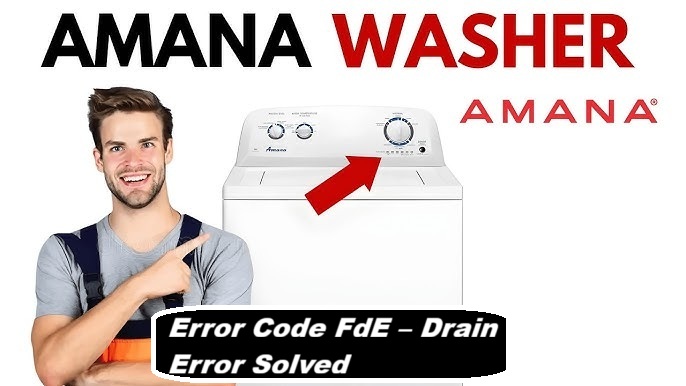
Dealing with an error code on your Amana washer can be incredibly frustrating, and if you’re seeing the FdE code, you’re not alone.
This code indicates that there’s a drain issue with your machine, meaning it’s having trouble getting rid of the water inside. The good news is that this is a common problem, and many of its causes can be easily fixed with some DIY solutions.
One common reason for the FdE error is a blockage in the drain hose or pump, which can prevent water from flowing out properly.
But don’t worry! There are several other potential causes and solutions to explore.
I encourage you to read through the entire post to get a comprehensive understanding of this error and learn how to troubleshoot it effectively.
Let’s get started on resolving this issue together!
What Does the Error Code Means?
When your Amana washer displays a drain error code, it signals an issue with the drainage system that needs your attention. Understanding what this code means is crucial for effective troubleshooting and to prevent more serious problems down the line.
Start by inspecting the drain hose for any clogs or kinks that could be obstructing water flow. Make sure the hose is properly positioned and not submerged in water, as this can prevent proper drainage. Next, check the drain pump filter for blockages. Cleaning this filter can often resolve the issue and restore proper function. Additionally, a malfunctioning drain pump could be the underlying cause if you’ve addressed these areas and the error persists, running a diagnostic cycle can help identify the specific problem. This step can provide valuable insights into what’s going wrong with your washer. Always consult your user manual for specific definitions of error codes and recommended actions for your particular model.
Common Causes Behind Error Code
Understanding the Causes of Drain Error Codes
Common causes of drain error codes include issues like clogged hoses, malfunctioning pumps, and faulty switches, which can all impede the washer’s ability to drain effectively. Additionally, a systematic diagnostic process is recommended for troubleshooting these errors and identifying the underlying issue.
Clogged Drain Hose
If your Amana washer is showing a drain error code, it’s likely due to a clogged drain hose. This blockage can hinder proper water flow, resulting in inefficient draining and potentially causing damage to your appliance. Below are some common causes of a clogged drain hose, along with their effects on your washer and effective solutions:
| Cause | Effect on Washer | Solution |
|---|---|---|
| Lint buildup | Reduced drainage | Clean the hose regularly |
| Kinks in the hose | Blocked water flow | Straighten the hose gently |
| Foreign objects | Complete blockage | Carefully remove obstructions |
| Improper installation | Misalignment | Reinstall the hose correctly |
| Old or damaged hose | Cracks or leaks | Replace the hose if necessary |
Addressing issues like a malfunctioning drain pump can also help prevent further complications with your washer.
Faulty Drain Pump
A malfunctioning drain pump can lead to a drain error code on your Amana washer, signaling that the pump isn’t efficiently expelling water from the drum. This issue can arise from several factors, including normal wear and tear, electrical malfunctions, or a damaged impeller. To help prevent these problems, it’s essential to perform regular maintenance on your drain pump.
Start by inspecting the pump for any signs of corrosion or damage. Make sure the pump is securely connected to the power supply. If you find that the pump needs replacement, it’s important to follow installation guidelines closely. Always disconnect both the power and water supply before you begin any repairs. Ensuring proper alignment during installation can help avoid complications down the line. Additionally, regular inspections not only extend the life of your drain pump but also keep your washer functioning smoothly. By being proactive, you can save yourself from more costly repairs and ensure your appliance remains in good working order. Remember, safety first—if you ever feel unsure about any steps, don’t hesitate to reach out to a professional technician for assistance.
Blocked Lint Filter
One of the most frequent causes of a drain error code on your Amana washer is a blocked lint filter. When lint builds up, it can obstruct water flow, leading to operational issues. Fortunately, this is a problem you can easily fix with regular maintenance of your lint filter.
To get started, locate the filter, which is usually positioned near the door or at the bottom front of the washing machine. Carefully remove the filter and inspect it for any debris or buildup. It’s important to clean it thoroughly; rinse it under warm water to ensure that it’s completely clear of any lint or other particles.
After cleaning, make sure to reinsert the filter securely back into its designated spot. Establishing a routine to clean the lint filter every few months not only helps prevent future drain errors but also optimizes your washer’s performance. Keeping the lint filter clean is crucial for efficient operation and can save you from unnecessary repairs down the line. Additionally, addressing any potential water overflow issues can further enhance the longevity of your washing machine.
Faulty Control Board
After you’ve tackled issues like a blocked lint filter, you might run into another common problem that can trigger drain error codes: a faulty control board. Think of the control board as the brain of your washing machine. It oversees the different cycles and ensures everything operates smoothly. When it malfunctions, it can disrupt communication between the machine’s components, which often leads to drainage issues.
To diagnose this problem, start by checking the control board for any visible signs of damage, such as burnt connections or discolored areas. It’s essential to use a multimeter to test the board for continuity and voltage output. If you notice any discrepancies during your tests, it’s likely that the control board is the culprit and will need to be replaced to fix the drain error. Additionally, motor control board faults can also contribute to similar issues, so be sure to inspect that component as well.
Always prioritize safety and consult your user manual for specific guidance related to your model. If you’re unsure or uncomfortable working with electronic components, don’t hesitate to reach out to a professional technician. They can provide you with the expertise to ensure your washing machine is back up and running smoothly.
Required Tools to Fix the Error
Essential Tools for Repairing Your Amana Washer
When addressing issues such as the drain error, it’s crucial to ensure you have the proper tools on hand. Additionally, using a multimeter can help diagnose electrical continuity issues that may contribute to the problem.
Basic Tools
When addressing the drain error on your Amana washer, having the appropriate tools is crucial for a successful repair. Utilizing basic tools can streamline the process, making it not only easier but also more efficient. Here’s a detailed list of essential equipment you should have ready:
- Screwdriver set: A quality screwdriver set is vital for removing panels and accessing internal components of your washer. Make sure to have both flathead and Phillips screwdrivers on hand.
- Pliers: These are essential for gripping and manipulating hoses or clamps. A pair of channel lock pliers can be particularly useful for loosening stubborn connections.
- Bucket: Keep a bucket nearby to catch any water that may spill out during your repair. This will help you manage any mess and prevent water damage to your flooring.
- Flashlight: A good flashlight will provide you with better visibility in tight or dimly lit spaces where you may need to work. Consider using a headlamp for hands-free lighting.
- Towel or rag: Having a towel or rag ready is important for cleaning up spills or wiping down components as you work. This will help maintain a tidy workspace and ensure you can see what you are doing.
With these basic tools at your disposal, you’ll be well-equipped to diagnose and resolve the drain error effectively. Remember to prioritize safety throughout the process by unplugging the washer and turning off the water supply before starting any repairs. Additionally, be aware that a malfunctioning drain pump may block water removal, which can contribute to the error. Empowering yourself with the right tools and knowledge will ensure your washer is back to operating correctly in no time.
Supplies
Once you’ve gathered your basic tools, it’s time to focus on the supplies essential for addressing the drain error in your Amana washer. Having the right supplies can significantly streamline the repair process and help you resolve the issue effectively. Here’s a list of items you’ll need for successful washer maintenance:
- Bucket: This will help you catch any residual water that may spill during the repair process, preventing a mess and ensuring safety.
- Towel: Use this for cleaning up any spills or moisture that may occur while you’re working on the washer.
- Flexible hose: If the drain hose is clogged or damaged, having a replacement on hand will allow you to rectify the problem quickly.
- Filter cleaning brush: This specialized brush is perfect for clearing debris from the drain filter, which is often a common culprit in drain errors.
- Safety gloves: Protecting your hands is crucial, so wearing gloves while working on your washer will help prevent injuries and keep you safe.
Additionally, it’s important to ensure that the drain filter is regularly maintained to prevent further issues. With these supplies prepared, you’re well-equipped to tackle the drain error confidently and efficiently. Remember, taking the time to gather the proper materials will make your repair experience smoother and more successful.
Pre-Safety Checklist Before Fixing
Before you begin addressing the drain error on your Amana washer, it’s crucial to prioritize safety. Taking the right precautions not only helps keep you safe but also ensures that you can focus on the repair process without any distractions. Here’s a comprehensive checklist to follow:
- Unplug the Washer: Always disconnect the washer from the electrical outlet before starting any repair work. This eliminates the risk of electrical shock.
- Turn Off the Water Supply: Locate the water supply valves and turn them off. This prevents any potential leaks or water damage while you work.
- Wear Rubber Gloves: Protect your hands by wearing rubber gloves. This will guard against sharp edges and any harmful substances you might encounter.
- Use Safety Goggles: Safety goggles are essential to shield your eyes from debris and any unexpected splashes during the repair.
- Keep the Work Area Dry: Ensure that your workspace is dry to reduce the risk of slips and electrical shocks. A clean, dry environment allows you to work more effectively and safely.
- Check for Electrical Issues: Inspect for any power interruption from the outlet to ensure a stable wash cycle and prevent further complications.
Diagnose the Error Code
Diagnosing the error code on your Amana washer can be straightforward with a systematic approach. First, check the display for the specific error code, which often points to a drain issue. Understanding what the code indicates is key to addressing the problem effectively.
Next, consult your washer’s manual for model-specific troubleshooting tips. This resource can provide valuable insights tailored to your appliance, helping you pinpoint the issue more efficiently.
Consult your washer’s manual for tailored troubleshooting tips to efficiently identify and resolve issues.
Inspect the drain hose to ensure there are no kinks, clogs, or improper installations. These can significantly hinder water flow and lead to error codes. A clear and properly positioned drain hose is essential for your washer’s performance.
Don’t forget to check the drain pump filter as well. A filter clogged with debris can prevent proper drainage and trigger error codes. Make sure the filter is clean and clear before proceeding to further diagnostic steps.
If you’ve completed these checks and the error code persists, it may be time to test the drain pump for continuity. This step requires a multimeter, and it’s crucial to ensure the washer is unplugged before performing any electrical tests to maintain safety.
Step-by-Step DIY Troubleshooting Guide
Moving Forward: Addressing Drain Errors in Your Amana Washer
Clear Drain Hose Blockage
To effectively clear a drain hose blockage in your Amana washer, it’s crucial to prioritize safety first. Begin by unplugging the machine to ensure there’s no risk of electric shock during the troubleshooting process.
Next, locate the drain hose, which is typically positioned at the back of the washer. Carefully detach the hose from its connection to the washer, taking care not to damage any fittings. Once removed, inspect the hose for any visible clogs or obstructions.
To dislodge any blockages, you can use a long, flexible object like a straightened coat hanger. Gently push through the hose to clear any debris. After attempting to remove the blockage, rinse the hose thoroughly with water to confirm that it is free of obstructions.
Before reattaching the hose, inspect it for kinks or sharp bends, as these can lead to future blockages. Ensure that the hose is positioned correctly during installation to facilitate optimal drainage.
As a best practice, consider regularly inspecting the drain hose as part of your washer maintenance routine. This can help prevent blockages and maintain the efficiency of your appliance.
Once everything is back in place, plug the washer back in and run a drain cycle to ensure that the water flows freely. If the issue persists, it may be time to consult a professional for further assistance. Your washing machine’s performance relies on proper care, so stay vigilant about these components!
Replace Faulty Drain Pump
Replacing a faulty drain pump in your Amana washer is a straightforward task that can greatly improve its water removal capabilities, helping you avoid further drainage issues. Here’s a step-by-step guide to ensure you do it safely and effectively.
- Safety First: Begin by unplugging the washer from the electrical outlet to prevent any risk of shock. Next, turn off the water supply to the washer to avoid any leaks.
- Access the Pump: To reach the drain pump, you’ll need to remove the front panel of your washer. This typically involves unscrewing a few screws and carefully prying off the panel. Refer to your washer’s manual for specific instructions related to your model.
- Disconnect the Pump: Once you have access to the drain pump, carefully disconnect the wires attached to it. It’s a good idea to take a photo of the wiring before you disconnect them, so you can refer back to it when installing the new pump. Next, detach the hoses connected to the pump. Have a bucket ready to catch any residual water that may spill out.
- Check Compatibility: Before you proceed with the installation of the new pump, double-check that the replacement part is compatible with your specific washer model. This information can usually be found in your owner’s manual or the packaging of the new pump.
- Install the New Pump: Securely connect the hoses to the new drain pump, ensuring that they are fitted tightly to prevent leaks. Reconnect the wiring according to the photo you took earlier, making sure each connection is solid.
- Reassemble the Washer: After the new pump is installed, carefully reattach the front panel. Make sure all screws are tightly secured to prevent any rattling or movement during operation.
- Test Your Repair: Plug the washer back in and turn on the water supply. Run a short cycle to test the drainage function. Watch for any leaks around the newly installed pump and listen for any unusual noises.
- Regular Maintenance: To keep your washer running smoothly, consider performing regular maintenance checks. This can include cleaning out lint traps and ensuring hoses are free from kinks or blockages.
Clean Blocked Lint Filter
A blocked lint filter can significantly impair your Amana washer’s performance, causing drainage issues and extending wash cycles. To address this problem safely, first unplug the washer to ensure your safety.
Next, locate the lint filter, which is usually positioned near the door or on the side of the drum. Carefully remove the filter by twisting or pulling it out. Rinse it under warm water to help remove any debris or buildup. For stubborn lint, a soft brush can be used to gently scrub the filter without damaging it.
After thoroughly cleaning, ensure the filter is completely dry before reinserting it back into the washer. Regular maintenance of your lint filter is crucial for the proper functioning of your washing machine. Make it a routine to check and clean the filter every few washes to avoid future drainage problems. This simple practice can prolong the life of your appliance and enhance its efficiency.
Replace Faulty Control Board
Diagnosing a faulty control board is a critical step when your Amana washer shows drainage errors. Safety should always come first, so begin by unplugging the washer from the electrical outlet. Next, you’ll need to remove the back panel using a screwdriver; this will give you access to the control board.
Once you have the panel off, carefully inspect the control board for any signs of damage. Look for burnt components or loose wires, as these are common indicators of failure. If you find any issues, follow these steps to replace the control board:
- Disconnect the Wiring Harness: Gently unclip the wiring harness connected to the control board. Be sure to remember or take a photo of how everything is connected, as this will help during reassembly.
- Unscrew the Control Board: Use your screwdriver to remove the screws holding the control board in place. Keep these screws safe for the installation of the new board.
- Install the New Control Board: Position the new control board in the same location as the old one. Secure it with the screws you just removed.
- Reconnect the Wiring: Carefully reconnect the wiring harness according to your reference photo or notes. Ensure that all connections are snug and secure.
- Replace the Back Panel: Once everything is connected, replace the back panel and screw it back into place.
- Test the Washer: Plug the washer back into the outlet and run a test cycle to check if the drainage error has been resolved.
As you proceed with this repair, always keep in mind the importance of safety and refer to your washer’s manual for any model-specific instructions. Taking the time to understand these steps will not only help you successfully replace the control board but also empower you to tackle future appliance issues with confidence.
Call a Professional If
If you’ve tried troubleshooting your Amana washer’s drain error and haven’t had any luck, it may be time to call in a professional. You might have already inspected the drain hose and cleaned the pump filters, but if the problem continues, expert diagnosis is essential.
Professionals have the training and experience to pinpoint issues that may not be immediately apparent. They utilize specialized tools and have access to OEM replacement parts, which can make the repair process much quicker and more efficient. Moreover, an experienced technician can offer invaluable maintenance tips to help you avoid similar problems in the future.
Attempting repairs beyond your skill level can lead to further damage, so it’s wise to reach out to a qualified technician. This way, you can ensure that your washer is restored to optimal performance, allowing you to return to your laundry routine with ease and confidence. Remember, safety and reliability are paramount, and seeking professional help can provide peace of mind.