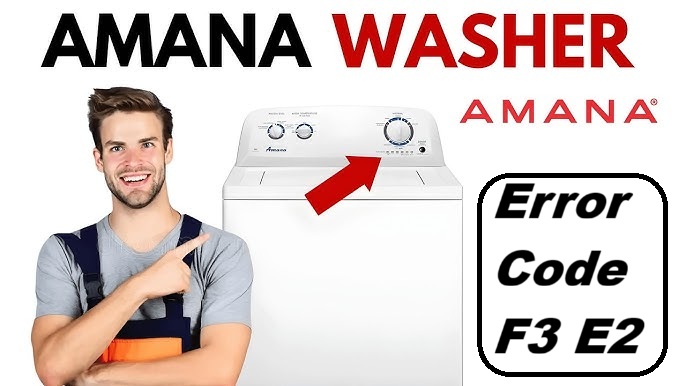
We understand how frustrating it can be when your Amana washer suddenly displays the error code F3 E2. This code indicates a keypad short circuit, which essentially means that the buttons on your washer might not be responding properly, affecting its ability to sense water temperature.
Don’t worry; this is a common issue that many people face, and often the solutions can be quite simple to handle on your own.
One common cause of this error could be moisture or debris getting into the keypad, leading to a short circuit. If you’re eager to learn more about this problem and its various potential causes, we encourage you to read through the entire post.
You’ll find a detailed guide that covers helpful tools, safety measures, and a step-by-step approach to troubleshoot this error effectively. Let’s get started on resolving your washer’s issues!
What Does the Error Code Means?
When your Amana washer displays the error code F3 E2, it signifies a problem with the temperature sensor. This error means that the washer is unable to accurately detect the water temperature, which can impact your washing performance. Understanding this error code is crucial, as it helps you identify potential issues that could disrupt your laundry cycle.
Additionally, the functionality of the keypad may be affected by this error, potentially leading to unresponsive buttons or further complications. Addressing the F3 E2 error promptly ensures that your washer continues to operate efficiently.
To resolve this issue, start by inspecting the temperature sensor and its wiring for any signs of wear or damage. Look for loose connections, frayed wires, or any visible defects. If you find any issues, they will need to be repaired or replaced to restore your washer’s functionality. Furthermore, moisture intrusion can lead to corrosion of connections, which may also contribute to the error.
Common Causes Behind Error Code
Identifying the F3 E2 Error Code Causes
Error code F3 E2 in Amana washers typically indicates a keypad short circuit. This issue can arise from a variety of factors, including a malfunctioning lid lock switch that may lead to similar keypad problems as seen in other models.
Worn-Out Keypad Connections
If your Amana washer is showing the F3 E2 error code, one common issue to investigate is the condition of the keypad connections. Over time, frequent use can wear down these connections, which may lead to a decline in their ability to communicate effectively with the control board. This deterioration can cause intermittent signals or, in some cases, a total failure to transmit commands, resulting in the error code appearing on your display.
Start by carefully inspecting the keypad for any visible signs of damage or excessive wear. Look for cracks, discoloration, or any areas that seem unresponsive when pressed. These physical issues can disrupt the electrical signals essential for the washer’s operation.
If you find any problems with the keypad, it may be necessary to replace it to restore proper functionality. Replacing the keypad is typically a straightforward process, but always ensure you’re following safety protocols when working on your appliance. Disconnect the washer from the power source before attempting any repairs.
Additionally, regular maintenance can help extend the life of your keypad connections. Keeping the keypad clean and avoiding excessive force when pressing buttons can contribute to smoother operation and reduce the risk of recurring error codes. By taking these steps, you can help ensure that your washer runs efficiently and reliably. Regular checks for keypad issues can also prevent future errors and ensure optimal performance.
Faulty Control Board
Worn-out keypad connections can indeed create communication issues with the control board. However, it’s often a faulty control board that is the primary culprit behind the F3 E2 error code. Problems with the control board can stem from several sources, including manufacturing defects, electrical surges, or simply wear and tear over time. If you suspect that the control board is malfunctioning, you may either need to replace the keypad or the entire control board. Additionally, it is crucial to investigate wiring connections as damaged or loose connections can also lead to control board issues.
To help you navigate common control board issues, I’ve created a reference table:
| Issue | Solution |
|---|---|
| Manufacturing defect | Replace the control board |
| Electrical surge damage | Inspect and replace the board |
| Wear and tear | Install a new control board |
| Unresponsive controls | Check connections and replace the keypad |
| Intermittent errors | Test the board and consider a replacement |
Moisture Damage to Wiring
Moisture damage to wiring can cause serious issues in your Amana washer, particularly leading to error codes like the F3 E2. When moisture seeps into the wiring insulation, it can create short circuits that interfere with the washer’s normal functioning. This problem often arises from improper installation, leaks, or even high humidity in your laundry space.
To help prevent moisture-related issues, it’s essential to implement effective moisture control measures. Ensure your laundry area has proper ventilation to keep humidity levels in check and avoid exposing the wiring to excessive water. Regularly inspect the wiring insulation for any signs of wear or damage; if you notice any compromised sections, it’s important to replace them without delay. Additionally, damaged wiring can also contribute to electrical issues that may impact your washer’s performance.
Loose Wiring Connections
When troubleshooting the F3 E2 error code in your Amana washer, one of the most common issues you might encounter is loose wiring connections. These loose connections can disrupt the communication between the control board and the keypad, resulting in various malfunctions.
As you inspect the wiring, pay particular attention to the areas around the keypad. Look for any frayed wires or disconnections that could be causing the problem. It’s also important to keep the keypad area clean; dirt or debris can worsen connectivity issues and lead to more complications.
If you discover any loose connections, make sure to securely reattach them or replace them if necessary. Regular inspections of your washer’s wiring can help prevent future occurrences of this error code, ensuring your appliance remains in good working order. Additionally, conducting thorough diagnostics can identify underlying problems that may not be immediately visible.
Required Tools to Fix the Error
Tools Needed for Repair
To effectively address the F3 E2 error, you’ll require a reliable set of tools for the repair process. Additionally, consider having a multimeter for testing electrical components to ensure proper functionality during your troubleshooting.
Basic Tools
Before you dive into addressing the Amana washer error code F3 E2, it’s essential to equip yourself with a few basic tools to ensure a smooth and safe repair process. Having the right equipment not only facilitates effective repair techniques but also helps you adhere to crucial safety protocols.
- Screwdriver Set: A reliable set of both flathead and Phillips screwdrivers is indispensable. These tools will allow you to access the internal components of your washer without unnecessary hassle.
- Multimeter: This versatile tool is vital for measuring electrical resistance. It will enable you to accurately diagnose any short circuits or electrical issues that may be contributing to the error code.
- Wire Strippers: In the event that you discover damaged wiring, wire strippers will be essential. They allow you to make precise and safe connections, ensuring your washer operates efficiently and safely. Additionally, you should also consider motor control system issues that could be related to other error codes, as this knowledge can help in diagnosing and fixing multiple problems effectively.
Supplies
Having the right supplies is essential for effectively addressing the Amana washer error code F3 E2. To ensure a smooth repair process, it’s important to gather the following items:
- Screwdriver Set: A variety of screwdrivers will allow you to remove panels and access the keypad safely. Make sure to have both Phillips and flathead options on hand.
- Multimeter: This essential tool is invaluable for diagnosing electrical issues. It will help you check for continuity in the keypad and test other electrical components, ensuring you can pinpoint the exact problem.
- Replacement Keypad: If you determine that the keypad is faulty, having a compatible replacement on hand is crucial. This will allow you to restore functionality to your washer without unnecessary delays.
Always prioritize electrical safety during your repair. Make sure to unplug the washer before starting any work to prevent electrical shocks. Additionally, it’s wise to check for power interruptions that may cause similar issues in the future. With these supplies ready, you’ll be well-equipped to tackle the error efficiently and effectively. Remember, taking the time to prepare will not only make your repair easier but also safer.
Pre-Safety Checklist Before Fixing
Ensuring your safety is paramount when tackling the Amana washer error code F3 E2. Before you begin any repairs, please take a moment to complete this pre-safety checklist. Following these precautions will help protect you throughout the process:
Prioritizing safety is essential when addressing the Amana washer error code F3 E2; complete this checklist before proceeding with repairs.
- Unplug the Washer: Always disconnect the power supply before starting any repair. This simple step is crucial to prevent the risk of electric shock while you’re working on the appliance.
- Check for Water: Make sure the washer is completely empty and that there’s no standing water inside. This will help you avoid any spills or slips that could lead to accidents during your repair.
- Inspect the Area: Take a moment to clear your workspace of any clutter. An organized area not only makes the repair process smoother but also ensures you have proper lighting, which is essential for visibility while troubleshooting. Additionally, it’s important to have a pre-safety checklist in place to ensure that you cover all necessary safety measures before beginning any repair work.
Diagnose the Error Code
To diagnose the Amana washer error code F3 E2, it’s essential to understand that this code indicates an issue with the washer’s temperature sensor. This problem can sometimes be related to a malfunctioning keypad or a short circuit. Here’s a step-by-step guide to help you troubleshoot safely and effectively.
Step-by-Step Diagnosis
- Inspect the Keypad: Start by examining the keypad for any visible signs of damage or debris. Sometimes, dust or moisture can interfere with the buttons’ functionality. A clean, properly functioning keypad is crucial for accurate operation.
- Check Connections: Next, look at the wiring connected to the temperature sensor. Inspect for any frayed wires, loose connections, or signs of disconnection. Ensuring all connections are secure can often resolve the issue.
- Test the Temperature Sensor: If the keypad and connections appear to be in good condition, the next step is to test the temperature sensor itself. Using a multimeter, you can measure the resistance of the sensor to confirm it’s functioning correctly. Refer to your washer’s manual for the specific resistance values to look for.
- Clean the Keypad: If you find any debris during your inspection, clean the keypad gently with a soft cloth and mild cleaner. Keeping the keypad clean can help prevent future errors.
- Reset the Washer: Once you’ve completed the previous steps, it’s a good practice to reset the washer. This can often clear any lingering error codes and restore normal operation. To reset, unplug the washer for a few minutes and then plug it back in.
Quick Reference Table
| Step | Action | Purpose |
|---|---|---|
| Step 1 | Inspect keypad | Identify potential issues |
| Step 2 | Check connections | Ensure proper functionality |
| Step 3 | Test temperature sensor | Confirm sensor integrity |
| Step 4 | Clean keypad | Support error prevention |
| Step 5 | Reset washer | Clear error codes |
Step-by-Step DIY Troubleshooting Guide
Next Steps in Resolving the F3 E2 Error Code
Inspect Keypad Ribbon Cable
Let’s take a closer look at how to inspect the keypad ribbon cable of your Amana washer. This cable is crucial for ensuring your washer operates correctly, so it’s important to handle it with care.
Start by prioritizing safety: unplug the washer from the power source to avoid any electrical hazards during the inspection. Once you’ve done that, proceed to remove the control panel by unscrewing any screws or fasteners that hold it in place.
With the control panel off, gently detach the ribbon cable from the control board. Inspect the ribbon cable thoroughly for any visible damage, such as fraying, pinching, or any other irregularities that could affect its performance. It’s also important to check the connectors; they should be clean and free of dust or debris, as a poor connection can lead to issues.
If you find any signs of wear or damage, it might be time to consider replacing the ribbon cable to ensure optimal functionality. Once you’ve completed your inspection, securely reconnect the cable and reassemble the control panel.
Finally, plug the washer back in and run a test cycle to see if the error code you were experiencing has been resolved. Keeping a close eye on these components can save you time and potential headaches down the line!
Replace the Control Board
Replacing the control board in your Amana washer is an essential step, especially if you’ve encountered the F3 E2 error code. Let’s go through the process step-by-step to ensure your safety and success.
- Safety First: Begin by unplugging the washer from the electrical outlet. This step is crucial to prevent any electrical shock while you work.
- Remove the Front Panel: Use a screwdriver to unscrew the front panel of the washer. Be gentle as you detach it, and take your time to carefully disconnect any wiring connectors. It’s a good idea to take a picture of the wiring configuration before disconnecting them. This will help you remember how to reattach them later.
- Locate the Control Board: Once the front panel is removed, look for the control board, which is typically found near the top of the machine.
- Disconnect the Old Control Board: Carefully disconnect the wiring harnesses from the old control board. It’s important to handle these connectors gently to avoid any damage.
- Remove the Old Control Board: Unscrew the control board from its mounting. Keep the screws in a safe place as you will need them for the new board.
- Install the New Control Board: Take your new control board and install it by reversing the steps you just completed. Secure it with screws and reconnect the wiring harnesses. Ensure that each connection is tight and secure, as loose wires can lead to further issues down the line.
- Reattach the Front Panel: Once the new control board is in place, reattach the front panel of the washer. Make sure all screws are tightened and that the panel is securely in position.
- Final Steps: Plug the washer back into the outlet. It’s time to run a test cycle to ensure that the F3 E2 error code has been resolved. Monitor the washer during the cycle to confirm that it operates smoothly.
Repair Moisture-Damaged Wiring
If you’ve noticed signs of moisture damage in your washer’s wiring, it’s essential to address the issue promptly to avoid further complications. Here’s a step-by-step guide to help you repair the damaged wiring effectively while ensuring safety.
| Step | Action | Notes |
|---|---|---|
| 1 | Unplug the washer | Always prioritize safety! Disconnect the power supply before working on any electrical components. |
| 2 | Inspect wiring insulation for damage | Carefully examine the insulation around the wires for any signs of fraying, cracking, or discoloration, which indicates moisture intrusion. |
| 3 | Replace damaged sections | If you find any damaged wiring, replace those sections with moisture-resistant wiring, which is designed to withstand wet conditions better than standard wiring. |
After replacing the damaged wiring, it’s crucial to implement proper moisture prevention measures. Make sure to seal any exposed areas with appropriate insulation materials to protect against future moisture infiltration. Regularly check the wiring to maintain its integrity and prevent potential malfunctions in your washer.
Tighten Loose Wire Connections
While addressing moisture damage is crucial, tightening loose wire connections is just as essential for maintaining your Amana washer’s performance. Let’s walk through the process safely and effectively.
- Unplug the Washer: For your safety, always start by unplugging the washer from the electrical outlet. This step is critical to prevent any electrical hazards while you work.
- Remove the Access Panel: Next, carefully remove the access panel of the washer. This will allow you to reach the wiring harnesses inside the machine.
- Inspect the Wiring: Once you have access, inspect each wire connection closely. Look for any signs of looseness or corrosion, which can affect the washer’s operation. A tight and clean connection is vital for optimal performance.
- Secure Loose Wires: If you find any loose wires, use the appropriate techniques to secure them. This may involve twisting the wires together or using crimp connectors. If you encounter damaged connectors, it’s important to replace them promptly to avoid further issues.
- Reassemble and Test: After you’ve tightened all connections and ensured everything is secure, reattach the access panel. Plug the washer back in and run a test cycle to confirm that the error code F3 E2 has been resolved.
- Regular Maintenance: To prevent future issues, make it a habit to periodically check these connections. Regular maintenance can significantly enhance your washer’s reliability and longevity.
Call a Professional If
When troubleshooting the Amana washer error code F3 E2, it’s important to understand your own limitations and know when it’s time to call in a professional. If you’ve already checked and tightened loose wire connections but the error code continues to appear, seeking expert help is a wise choice. Problems such as a malfunctioning control board or defective keypad components often require specialized knowledge and tools that the average homeowner may not have.
Attempting to repair these issues without the right expertise can lead to further damage or even create safety risks. If you feel uneasy about working with electrical components or if your washer displays additional error codes, it’s best to consult a professional. They have the skills to accurately diagnose the problem and provide a long-lasting solution, ensuring your washer operates safely and efficiently.
Prioritizing safety is key; sometimes, it’s simply best to let the experts handle it. By doing so, you can have peace of mind knowing that your appliance is in capable hands and will be restored to optimal working condition.