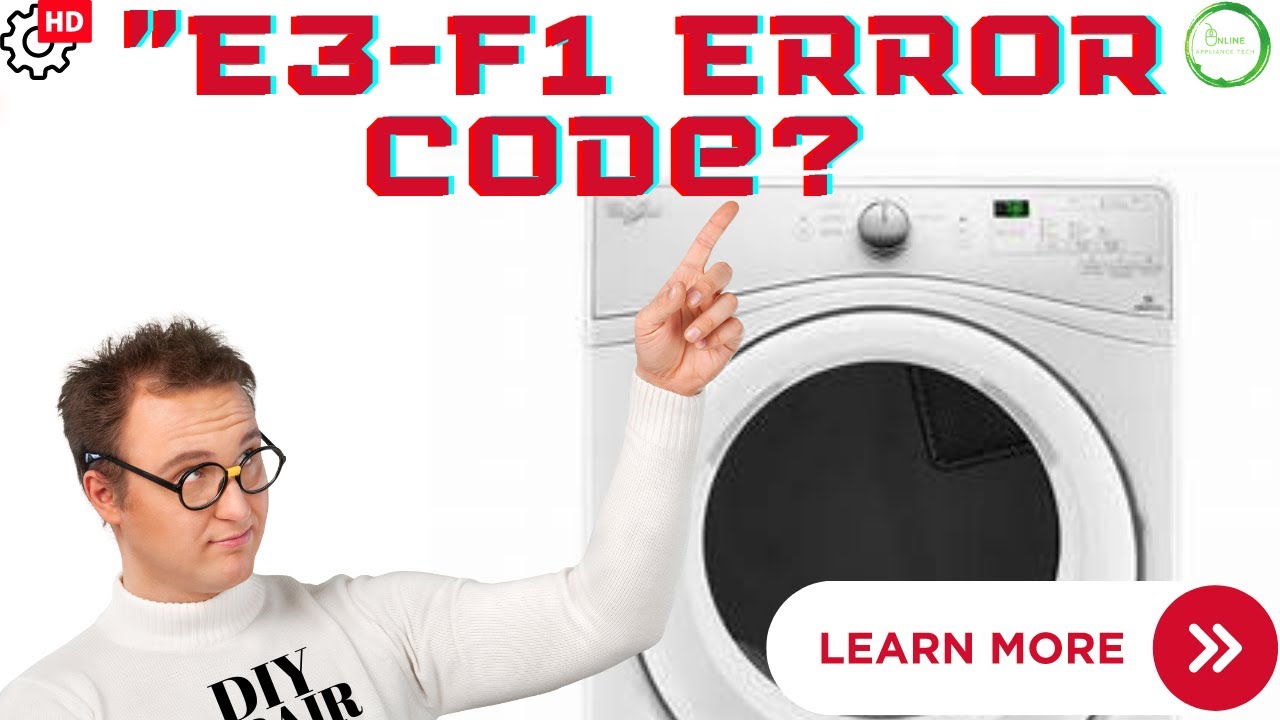
Dealing with the Amana Washer Error Code F1 E3 can be incredibly frustrating, especially when you’re trying to get your laundry done.
This specific error code indicates a problem with the knob sensor, which essentially means that your washer is having trouble understanding the commands you’re giving it.
Don’t worry; this is a common issue and there are often simple DIY solutions available.
One common cause of this error is a stuck control knob, which can prevent the washer from functioning properly.
However, there are other potential reasons for this issue as well.
To get the full picture and learn how to resolve this error effectively, be sure to read through the entire post.
We’ll cover everything you need to know to get your washer back in working order.
What Does the Error Code Means?
When your Amana washer shows the error code F1 E3, it usually points to a problem with the control board or its connected components. This issue often stems from the control knob‘s functionality, which can affect the washer’s ability to interpret and carry out commands effectively.
To troubleshoot this error, start by examining the control knob for any signs of damage or misalignment. Ensure that it is securely connected to the control board and not loose. If the knob looks to be functioning properly, the next step is to test the control board for any faults.
In some situations, a simple reset of the washer can clear the error code. However, if the error persists, it may be necessary to seek a professional diagnosis. Faulty components might need to be replaced to restore your washer to full working order. Remember, safety is paramount, so always disconnect the power before attempting any repairs. Additionally, inspect the control panel for visible damage to ensure all components function correctly.
Common Causes Behind Error Code
Identifying the F1 E3 Error Code Causes
The F1 E3 error code in Amana washers typically arises from issues with the control knob or its sensor. Inspecting the control panel for stuck buttons and ensuring that all wiring connections are secure can help diagnose the problem.
Faulty Knob Connection
If you’re facing the F1 E3 error code on your Amana washer, it’s possible that a faulty knob connection is the culprit. This issue typically stems from loose or damaged connections between the control knob and the washer’s control board. Over time, these connections can wear out, which can disrupt proper sensor calibration and lead to communication errors.
To address this problem, start by carefully inspecting the connections. Look for any signs of wear, damage, or looseness. If you notice any issues, a knob replacement may be necessary. When installing a new knob, ensure that it is securely attached to maintain optimal functionality.
Regular maintenance and periodic checks on the control knob can help prevent these types of errors in the future, keeping your washer operating smoothly. It’s important to address these connections promptly to avoid further complications with your appliance. By taking these steps, you can empower yourself to troubleshoot and resolve this issue effectively. Additionally, inspecting the control board for visible signs of damage is crucial in ensuring that all components are functioning correctly.
Worn-Out Knob Sensor
A worn-out knob sensor is a common issue that can trigger the F1 E3 error code on your Amana washer. Over time, this sensor can wear down from regular use, resulting in inaccurate readings or inconsistent functionality. To effectively troubleshoot this problem, it’s important to follow a systematic approach.
First, inspect the condition of the knob sensor. Look for signs of wear or damage, and test its response to ensure it’s functioning properly. If you find that the sensor is unresponsive or appears degraded, it’s likely time for a replacement. Additionally, ensure that the area around the knob is clean and dry, as dirt or moisture buildup can also impact sensor performance.
When replacing the sensor, make sure to adhere to the manufacturer’s guidelines. This will help maintain the integrity of your washer and ensure that everything is installed correctly.
Loose Wiring Connections
Loose wiring connections can often trigger the F1 E3 error code in Amana washers. When the integrity of these connections is compromised, signals from the control knob sensor may fail to transmit accurately. This miscommunication can lead to calibration issues with the sensors, ultimately causing the error code to appear.
To effectively diagnose loose connections, start by inspecting the wiring harness and connectors for any signs of fraying, wear, or disconnection. Ensure that all wires are securely attached and free from damage. If you discover any loose connections, be sure to reattach or replace them as necessary. Regular maintenance of these connections is crucial; it not only helps prevent future errors but also enhances the overall performance and longevity of your washer. Additionally, the malfunctioning drive belt may also contribute to errors if wiring issues go unaddressed.
Addressing wiring integrity promptly is essential for keeping your appliance running smoothly and efficiently. Remember, safety is paramount. Always disconnect your washer from the power source before performing any inspections or repairs to avoid the risk of electric shock. By following these steps, you can empower yourself to maintain your washer effectively and troubleshoot common issues with confidence.
Faulty Control Board Signal
After ensuring that all your wiring connections are secure, it’s important to consider the possibility of a faulty control board signal. This issue often stems from a malfunctioning control board, which can trigger the F1 E3 error code. You might observe erratic operation or find that the appliance isn’t responding to your commands—these signs often point to a deeper electrical problem.
Here’s a quick reference table to help you identify symptoms and potential causes:
| Symptoms | Potential Causes |
|---|---|
| Erratic operation | Faulty control board |
| No response to settings | Damaged circuit components |
| Unusual error codes | Software corruption |
| Communication failure | Loose connections |
If you suspect that the control board is malfunctioning, I recommend consulting a professional technician for an accurate diagnosis and repair. In many cases, replacing the control board may be necessary to effectively resolve these signal issues. Always prioritize safety and ensure that any repairs are conducted by qualified individuals to avoid further complications. Additionally, addressing a main control board issue early on can help prevent more extensive damage to your appliance.
Required Tools to Fix the Error
Essential Tools for Repair
Essential tools include:
- Screwdriver for securing screws.
- Multimeter for testing electrical components.
- Pliers to grip and manipulate parts during repairs.
- Ensure all tools are ready before beginning troubleshooting to enhance safety and effectiveness during repairs. Additionally, having a multimeter for testing can help identify whether components are functioning properly before deciding on replacements.
Basic Tools
When dealing with the Amana washer error code F1 E3, having the right tools at your disposal is crucial for a successful repair. As a seasoned technician with over 20 years of experience, I’ve found that the following basic tools will make your repair process smoother and more efficient:
- Screwdriver Set: A good set of screwdrivers, including both flathead and Phillips, is necessary for removing various screws throughout your washer.
- Multimeter: This essential tool allows you to test the knob sensor and other electrical components, helping you diagnose issues effectively.
- Pliers: Needle-nose pliers are particularly useful for managing and manipulating wires, especially in tight spaces.
- Socket Wrench: A socket wrench will help you loosen or tighten any bolts that may be securing components within the washer.
Having these tools on hand will empower you to diagnose and resolve the F1 E3 error efficiently and safely. Additionally, it’s important to check for motor control system issues as they can sometimes contribute to errors in washer functionality. Remember to always prioritize safety when working on your appliance, and don’t hesitate to consult your user manual for specific guidance on your model.
Supplies
When dealing with the Amana washer error code F1 E3, having the right supplies is crucial to effectively troubleshoot and resolve the knob sensor fault. Here’s a list of essential items you should gather before getting started:
- Replacement Parts: Ensure you have the correct replacement part for the knob sensor. Double-check the model number and specifications to avoid any compatibility issues.
- Multimeter: A multimeter is an invaluable tool for testing electrical components. It will help you measure voltage, resistance, and continuity, which are critical in diagnosing the problem accurately.
- Screwdrivers: A variety of screwdrivers will allow you to access the internal components of your washer easily. Make sure to have both Phillips and flathead screwdrivers on hand.
- Wire Connectors: These are essential for securing any new wiring connections you may need to make during the repair. Choose connectors that are suitable for the gauge of wire you’re working with.
- Towels: It’s also wise to have towels on hand to manage spills during repairs, as water overflow issues can sometimes occur during troubleshooting.
Pre-Safety Checklist Before Fixing
Before you start any repairs on your Amana washer, it’s crucial to ensure you’re taking all necessary safety precautions. Skipping these steps can expose you to electrical hazards and increase the risk of injury. Here’s a straightforward pre-safety checklist to follow:
Before repairing your Amana washer, prioritize safety to avoid electrical hazards and injury. Follow essential pre-safety steps.
- Unplug the washer: Always confirm that the washer is disconnected from the power source. This is the most critical step in preventing electrical shocks.
- Inspect for water leaks: Take a moment to check for any signs of leakage around the washer. Water and electricity don’t mix, so addressing leaks is essential before proceeding.
- Wear appropriate safety gear: Equip yourself with gloves and safety goggles. These protective items are essential for safeguarding against potential injuries while you work.
- Ensure the area is dry: Make sure the floor surrounding the washer is dry. This will help you avoid slips and reduce the risk of electrical issues during your repair.
- Additionally, it’s important to check the power supply to ensure that there are no interruptions that could cause further issues with your washer.
Diagnose the Error Code
Now that you’ve established a safe working environment, let’s focus on resolving the F1 E3 error code on your Amana washer. The first step is to thoroughly check the functionality of the control knob. A malfunctioning knob can trigger this error, so it’s essential to ensure that it operates smoothly.
Turn the knob through its complete range of settings to confirm that it isn’t stuck or unresponsive. Pay close attention to any clicking sounds as you turn it; these clicks indicate that the knob is engaging properly. Also, take a moment to inspect the knob for any visible signs of damage, such as cracks or excessive wear, which could impair its performance.
Next, examine the wiring connected to the knob. Look for any signs of corrosion, fraying, or disconnection, as these issues can lead to improper function and the subsequent error code. By carefully evaluating these components, you can often identify the root of the problem.
Once you have diagnosed the issue, you’ll be in a much stronger position to carry out the necessary repairs or replacements, leading to a successful resolution of the error code. Remember, taking your time and ensuring safety will always yield the best results.
Step-by-Step DIY Troubleshooting Guide
Moving Forward: Steps to Resolve the F1 E3 Error Code
Inspect Knob Alignment
When you encounter the F1 E3 error code on your Amana washer, inspecting the knob alignment is a crucial step in resolving the issue. Start by ensuring your safety: turn off the washer and unplug it from the power source to prevent any electrical hazards.
Next, closely examine the control knob for any signs of wear, damage, or misalignment. It should fit snugly on its shaft without any wobbling. If the knob feels loose or appears to be cracked or broken, a replacement may be necessary.
Once you’ve addressed any concerns with the knob, reattach it securely and check its alignment by rotating it through the various settings. This will ensure that it engages properly with the washer’s internal mechanisms.
After verifying the knob is correctly aligned, plug the washer back in. To complete the troubleshooting process, perform a sensor calibration by running a test cycle. This step is vital as it helps to reset the system and can prevent future error codes, ensuring your washer operates smoothly.
Reattach Loose Knob Wiring
Before you begin reattaching the wiring for the control knob on your Amana washer, it’s essential to prioritize safety. Start by unplugging the washer from the wall outlet to eliminate any risk of electrical shock.
Once it’s unplugged, carefully inspect the wiring connected to the control knob. Look for any loose or disconnected wires that may be responsible for the F1 E3 error code. If you spot any loose connections, gently reattach them, making sure they are secure. Use your fingers to press the connectors firmly back into their slots; you should feel a noticeable click when they are properly seated.
While you’re inspecting the wiring, take a moment to check for any signs of damage or wear, such as frayed wires or burnt connectors. If you notice any issues, it may be necessary to replace the damaged components or the knob itself if it no longer fits snugly.
After you’ve reattached the wires, plug the washer back in and run a test cycle. This will help you confirm that the error code has cleared and that the washer is operating correctly. Remember, addressing these issues promptly can save you from more significant repairs down the line. If the problem persists, it may be wise to consult with a professional technician.
Check for Corroded Connections
Corroded connections can lead to the F1 E3 error code in your Amana washer, disrupting its performance. It’s essential to maintain these connections to ensure your washer operates effectively. Here’s a straightforward guide to help you check for and address any corrosion issues:
| Step | Action |
|---|---|
| 1 | Unplug the washer for safety. |
| 2 | Carefully inspect the wiring and connectors. |
| 3 | Look for any visible signs of corrosion, such as discoloration or a greenish residue. |
| 4 | Clean or replace any corroded parts to restore proper function. |
Corrosion can severely impact electrical conductivity, which may cause the knob sensor to malfunction. To clean the connections, use a soft brush or cloth to gently remove any debris. For enhanced conductivity, you might also consider applying an electrical contact cleaner, which is designed to improve the connection between components.
I recommend regularly checking these connections as part of your washer maintenance routine. By doing so, you can prevent future issues and ensure your washer continues to operate smoothly. Remember, safety is paramount, so always unplug your appliance before doing any inspections or repairs. If you’re ever in doubt, don’t hesitate to seek assistance from a professional technician.
Replace Control Board
Replacing the control board in your Amana washer is a practical solution for addressing persistent F1 E3 error codes and restoring your washer’s performance. Before you begin, ensure your safety by unplugging the washer from the power source.
Start by removing the control panel. Use a screwdriver to take out the screws that hold the panel in place, then gently lift it off, taking care not to damage any clips or connectors. Once the panel is removed, you should see the control board, which is typically located directly behind it.
Disconnect the wiring harness from the control board; this may require a gentle pull or a press on the release tab, depending on the design. After disconnecting the harness, unscrew the control board from its housing using the appropriate screwdriver.
When you have the new control board ready, position it carefully in the same spot as the old one. Secure it with screws to ensure it’s firmly in place. Next, reconnect the wiring harness, making sure it fits snugly and securely.
Once everything is back in place, reattach the control panel by aligning it properly and securing it with the screws you removed earlier. Finally, plug the washer back into the outlet. This straightforward maintenance task can effectively eliminate the error code and restore your washer to its full functionality. Remember, if at any point you feel uncertain about the process, it’s always a good idea to consult with a professional technician for assistance.
Call a Professional If
If you’ve tried troubleshooting the F1 E3 error code on your Amana washer and haven’t found a solution, it may be time to reach out to a professional technician. Continuing to attempt repairs without the necessary expertise can lead to further complications or even damage to your appliance.
Professionals come equipped with specialized tools and extensive knowledge that are crucial for accurately diagnosing intricate issues. They can determine whether the problem originates from the knob sensor or the control board—components that often require expert attention.
Professionals possess the tools and expertise needed to accurately diagnose and address complex issues with your washer.
Moreover, a technician can provide valuable insights not only about the immediate problem but also about maintenance tips and strategies to prevent future issues. Relying on a professional not only saves you time but ensures that your washer is handled with care and safety in mind.
If you find yourself stuck, don’t hesitate to seek assistance. Your appliance—and ultimately, your laundry routine—will benefit greatly from expert help.