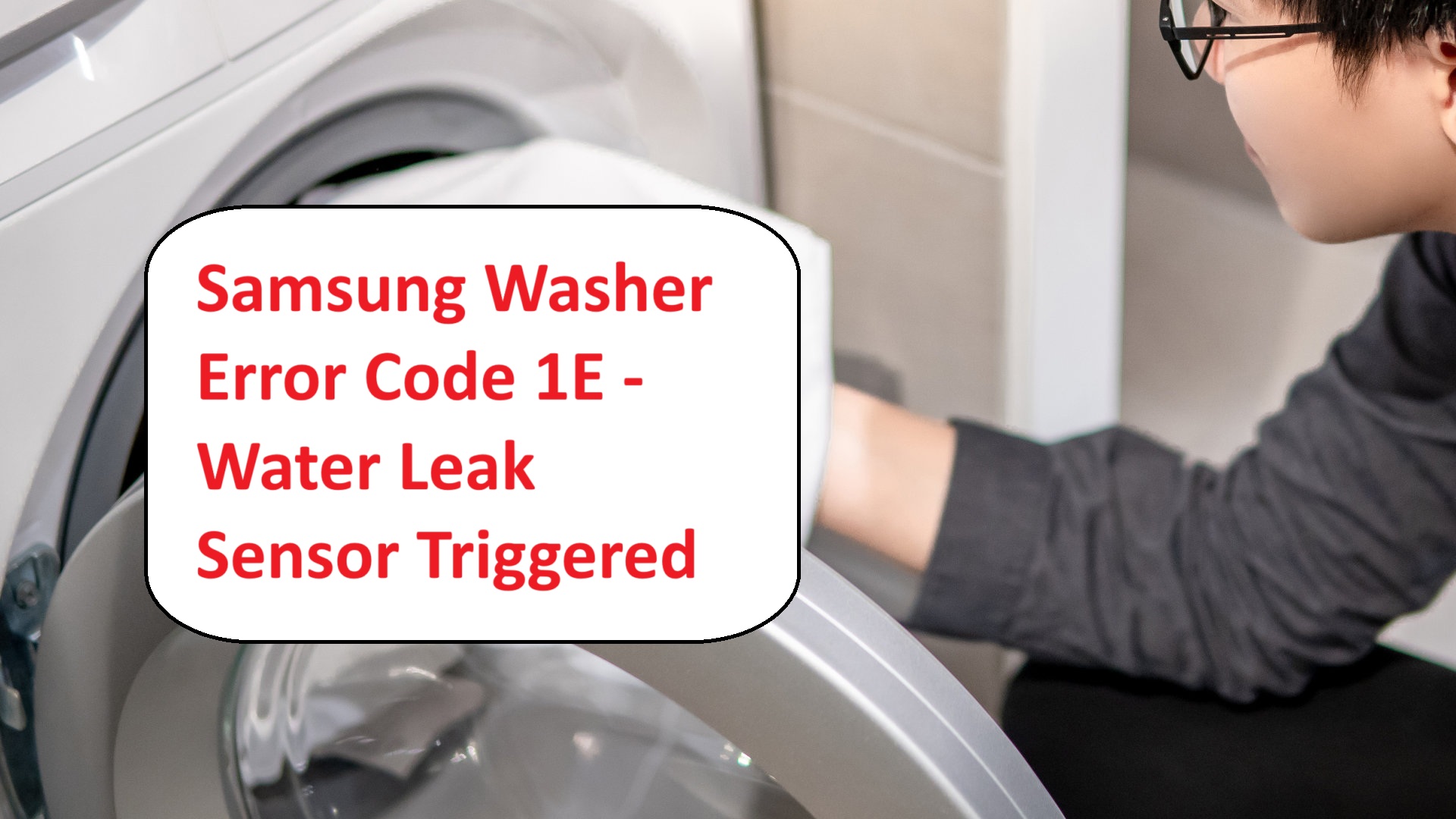
Experiencing a sudden stop in your laundry cycle, only to be met with the frustrating 1E error code on your Samsung washer? You’re not alone. This error typically means that the washer’s water leak sensor has been triggered, which can be concerning for any homeowner.
The good news is that this is a common issue, and many of its underlying causes can be easily tackled with some DIY fixes.
One frequent culprit behind the 1E error is a clogged filter, which can prevent proper drainage and lead to the sensor being activated. However, there are several other potential causes that you should know about to fully understand this problem.
To get the complete picture and learn how to effectively resolve the 1E error, I encourage you to read through the entire post. You’ll find helpful insights and solutions to get your washer back to working order in no time!
What Does the Error Code Means?
The Samsung washer error code 1E signifies a malfunction related to the water level sensor. This particular error often surfaces when the sensor detects an irregular water level, which may indicate a potential water leak. When this happens, your washer may automatically stop its operation to prevent any further complications.
It’s crucial to address this issue promptly, as neglecting it could lead to more serious problems, including water damage to your home. To resolve the 1E error, start by inspecting the water level sensor and its connections for any blockages or signs of malfunction. Additionally, take a moment to examine the hoses and seals for potential leaks. A malfunctioning water level sensor can also result from a clogged or defective drain valve, so ensure to check that component as well.
Common Causes Behind Error Code
Potential Issues Leading to 1E Error Code
The 1E error code indicates a potential water leak, which can stem from several underlying issues. A malfunctioning drain pump can block water removal. Additionally, a clogged filter can obstruct water flow, leading to the activation of the leak sensor.
Clogged Drain Hose
If you come across the Samsung washer error code 1E, it’s likely due to a clogged drain hose. Over time, items like lint, debris, or even small pieces of clothing can get lodged in the drain hose, obstructing water flow. This blockage can trigger the water leak sensor, resulting in the error code.
To keep your washer running smoothly, it’s important to regularly check and clean the drain hose. Start by disconnecting the hose from the washer and inspecting it for any visible clogs. You can use a straightened coat hanger or a similar tool to gently remove any buildup. Additionally, be sure to check for kinks or bends in the hose that might hinder water drainage. A malfunctioning drain pump can also contribute to drainage issues, so ensure that both components are functioning properly.
Addressing clogs as soon as you notice them not only resolves the error code but also helps prevent water leaks in the future. Make it a part of your regular maintenance routine to examine your washer’s drain hose, ensuring it stays clear and functional. This proactive approach will not only extend the life of your appliance but also enhance its efficiency, saving you time and potential repair costs down the line. Always prioritize safety when performing maintenance—unplug your washer before starting any work.
Faulty Water Inlet Valve
A faulty water inlet valve can trigger the Samsung washer error code 1E. This valve is crucial as it controls the water flow into your washing machine. When the valve malfunctions, it may either fail to open fully or develop leaks, which can activate the leak sensor.
Several factors can lead to a faulty inlet valve, including mineral buildup from hard water, electrical problems, or simply wear and tear over time. To address this issue, start by inspecting the water inlet valve for any visible signs of damage or blockages. Look for mineral deposits that could be hindering its proper function.
If you find that the valve is indeed defective, replacing it is the best course of action to restore your washer to proper operation. Ensuring that the inlet valve is functioning correctly is vital not only for preventing leaks but also for maintaining the efficiency of your washer. Remember, safety first—always unplug your appliance before attempting any repairs and consider consulting a professional if you’re unsure about the process. Additionally, a malfunctioning door latch can sometimes lead to similar error codes, emphasizing the importance of thorough diagnostics.
Damaged Water Supply Hose
A damaged water supply hose can often be the culprit behind the Samsung washer error code 1E. It’s crucial to inspect your hoses regularly for signs of wear, such as cracks or leaks. If you do spot any damage, it’s vital to replace the hose right away to avoid further complications.
To ensure your water hoses are in good condition, make sure they are not kinked or bent, as this can put unnecessary stress on them and lead to failure. When it’s time to replace a hose, choose high-quality materials that meet the manufacturer’s specifications for your specific washer model. Additionally, always check the connections to ensure they are tight, as loose connections can lead to leaks.
Regular maintenance and timely replacements of your water supply hoses can save you from costly repairs down the line and help your washer operate efficiently. Don’t overlook this important aspect of your washing machine—keeping your hoses in check is an essential part of ensuring its longevity and performance. Furthermore, inspecting water inlet valves for blockages can also help prevent similar issues from arising.
Faulty Water Level Sensor
When your Samsung washer shows the error code 1E, it’s often an indication that the water level sensor is malfunctioning. This important component is responsible for monitoring the water level in the drum, ensuring that it fills properly during each wash cycle. If the sensor fails, it can trigger this error code, which may suggest issues such as a potential leak or overflow.
Several factors can contribute to a faulty water level sensor. Common culprits include wear and tear over time, debris obstructing the sensor, or electrical problems within the wiring connections. A malfunctioning water level sensor can lead to interruptions in washing operations and affect the filling and draining processes.
To address this issue, start by safely disconnecting your washer from the power source. Then, inspect the water level sensor for any visible signs of damage or blockage. If you find debris, carefully clean the sensor to restore its functionality. In cases where the sensor is damaged beyond repair, a replacement may be necessary.
Required Tools to Fix the Error
Essential Tools for Repairing Samsung Washer Error Code 1E
When addressing the 1E error, it’s crucial to have the right tools on hand to ensure a thorough inspection of components like the water leak sensor, which is similar in importance to the door latch mechanism in Whirlpool washers for maintaining functionality.
Basic Tools
Having the right tools at your disposal is crucial when addressing the Samsung washer error code 1E. With the following essential tools, you’ll find troubleshooting much simpler, and you’ll be able to perform necessary maintenance without any hold-ups. Here’s a comprehensive list of tools you should gather:
- Screwdriver Set: Ensure you have both Phillips and flathead screwdrivers. These will help you access various components of your washer.
- Pliers: Needle-nose pliers are particularly useful for reaching tight spaces and gripping small components.
- Towels or Rags: Keep these handy to clean up any water spills that may occur during your repairs.
- Bucket: Use a bucket to catch any residual water that may drain from the washer when you remove hoses or other components.
- Multimeter: This tool is essential for performing electrical diagnostics. It will help you test for continuity and voltage in various parts of the washer.
Equipped with these tools, you’ll be well-prepared to tackle basic maintenance and troubleshooting. They will assist you in pinpointing the root cause of the error code and make the repair process smoother, ensuring your washer runs efficiently once again. Additionally, having a surge protector can help maintain a stable voltage supply to prevent future issues. Stay organized, and you’ll resolve the issue effectively and safely. Remember, taking the time to prepare and gather these tools will lead to a more successful repair experience.
Supplies
When tackling the Samsung washer error code 1E, it’s crucial to have the right supplies on hand to ensure a smooth and effective repair. This error often signals a water leak or a malfunctioning sensor. To empower you in addressing this issue safely and efficiently, here’s a comprehensive list of necessary supplies:
- Screwdriver Set (Flathead and Phillips): These will help you access the internal components of your washer.
- Multimeter: An essential tool for testing electrical components and ensuring everything is functioning properly.
- Towels: Keep these handy to manage any water spills that may occur during your troubleshooting.
- Replacement Water Leak Sensor: If you identify that the sensor is indeed faulty, having a replacement ready can expedite your repair process.
- Safety Gloves: Protecting your hands is important, especially when dealing with electrical components and potential water exposure.
Additionally, having a faulty temperature sensor can also contribute to washing machine errors, so it’s beneficial to check its condition during your repair. Equipped with these tools, you’ll be prepared to diagnose and resolve the issue effectively. Remember, the key is to address both the water leak and the functionality of the sensor to restore your washer to optimal performance. Take your time, follow safety precautions, and you’ll be back to laundry day in no time!
Pre-Safety Checklist Before Fixing
Before diving into the troubleshooting process for the Samsung washer’s 1E error code, it’s imperative to prioritize your safety and the protection of your appliance. Here’s a detailed checklist to ensure a safe and effective repair experience:
- Unplug the Washer: Always disconnect the power supply before starting any repairs. This eliminates the risk of electrical hazards and ensures your safety while you work on the appliance.
- Turn Off the Water Supply: Make sure to shut off the water supply to the washer. This step is vital to prevent any potential leaks or water damage as you conduct your repairs.
- Inspect for Visible Damage: Take a moment to check for any obvious signs of damage or leaks around the washer. Look at hoses, connections, and the surrounding area. Addressing these issues early can prevent complications later on.
- Maintain a Dry and Clutter-Free Workspace: Ensure that the area around your washer is dry and free of any obstacles. A clean workspace minimizes the risk of slips and falls and allows you to work efficiently.
- Have an Emergency Plan: Always be prepared for unexpected situations. Familiarize yourself with how to quickly disconnect the power or water supply if something goes wrong during your troubleshooting process. Additionally, be aware that door switch failure can also result in error codes, indicating the need for thorough inspections.
Diagnose the Error Code
With safety measures in place, let’s take a step-by-step approach to diagnose the 1E error code on your Samsung washer. This error code typically indicates a water leak detection issue. Here’s how you can troubleshoot effectively:
- Check for Leaks: Start by inspecting the area around your washer. Look closely at the hoses, connections, and the washer itself for any visible leaks. Even a small amount of water can trigger the leak sensor.
- Inspect the Drain Pump Filter: A clogged drain pump filter can lead to drainage issues and may activate the error code. Remove the filter and check for any blockages, such as lint or debris. Clean it thoroughly before replacing it.
- Ensure the Washer is Level: An unbalanced washer can cause the machine to move excessively during cycles, potentially leading to false leak detections. Use a level tool to check that your washer sits evenly on the floor. Adjust the leveling feet as needed.
- Examine Wiring and Connections: Take a moment to inspect the wiring and connections linked to the water leak sensor. Look for any signs of damage, fraying, or disconnection. If you notice any issues, they will need to be addressed to prevent further problems.
- Reset the Washer: Sometimes, resetting the washer can clear the error code. Unplug the machine for a few minutes and then plug it back in. This can help reset the control board.
If you’ve gone through these steps and still can’t pinpoint the issue, it may be time to seek professional assistance. A qualified technician can provide a more thorough diagnosis and ensure that your washer is operating safely and efficiently. Remember, addressing these issues promptly can save you from more significant repairs down the road. Stay safe and take care of your appliance!
Step-by-Step DIY Troubleshooting Guide
Transitioning to the Next Troubleshooting Steps
Clear the Drain Hose
A clogged drain hose is a common issue that can trigger the Samsung washer error code 1E, signaling that it requires your attention. To address this problem safely and effectively, follow these steps:
- Unplug the Washer: Begin by disconnecting your washer from the power source. This is a crucial safety measure to prevent any electrical hazards while you work.
- Locate the Drain Hose: Find the drain hose at the back of your washer. This is typically a flexible tube that carries wastewater away from the machine.
- Inspect for Blockages: Carefully examine the hose for any visible blockages or kinks. These can impede water flow and lead to the error code. Look for lint, debris, or any objects that may be lodged inside.
- Remove Debris: If you see any debris, gently remove it to clear the obstruction. Take care not to damage the hose in the process.
- Detach the Hose: Disconnect the drain hose from the washer. You may need to loosen a clamp or simply pull it off, depending on the model.
- Clear the Hose: Use a long, flexible brush or a garden hose to clean out any buildup inside the drain hose. If using a garden hose, be sure to flush it with water to ensure all debris is removed.
- Rinse Thoroughly: After clearing the hose, rinse it with water to ensure all remnants of debris are washed away.
- Reattach the Hose: Once clean, securely reattach the drain hose to the washer. Make sure it is positioned correctly to allow for optimal drainage.
- Test the Washer: Plug the washer back in and run a test cycle to check for proper water flow. This will help confirm that the issue has been resolved and the error code no longer appears.
Replace Water Inlet Valve
If your Samsung washer is still showing the 1E error code after you’ve cleared the drain hose, it’s time to consider replacing the water inlet valve. This essential component controls the flow of water into your washer, and if it’s malfunctioning, it can lead to various washing issues. Let’s walk through the steps for a successful valve replacement, ensuring you’re equipped with the right tools and safety precautions.
| Tools Needed | Steps | Safety Precautions |
|---|---|---|
| Screwdriver | 1. Unplug the washer from the power source. | Always turn off the power before starting any repair. |
| Pliers | 2. Disconnect the water supply hoses from the back of the washer. | Wear gloves to protect your hands. |
| Replacement Water Inlet Valve | 3. Carefully remove the old valve from its mounting position. | Double-check that no water is leaking before proceeding. |
| Towels | 4. Install the new valve, ensuring it’s secured properly, and then reconnect the hoses. | After installation, inspect for any leaks before using the washer again. |
Following these steps will help restore the proper flow of water into your washer and eliminate the 1E error code. After replacing the valve, don’t forget to run a test cycle to ensure everything is functioning smoothly. Always remember that safety comes first, so take your time and follow these guidelines carefully. If you have any questions or need further assistance, don’t hesitate to reach out. Happy washing!
Replace Damaged Supply Hose
Inspecting and replacing a damaged supply hose is crucial for resolving the 1E error code on your Samsung washer. Let’s walk through the process step by step, ensuring your safety and the proper functioning of your appliance.
- Safety First: Begin by unplugging your washer from the power outlet. This is a vital step to prevent any electrical hazards while you work.
- Turn Off Water Supply: Locate the water supply valve and turn it off to prevent any leaks during the replacement process.
- Inspect the Hose: Take a close look at the supply hose. You’re looking for signs of damage, such as cracks, bulges, or leaks. A damaged hose can lead to water supply issues and trigger error codes.
- Disconnect the Damaged Hose: If you find that the hose is indeed damaged, carefully disconnect it from both the water supply and the washer. When doing this, check the hose connections for any debris or mineral buildup that could affect the new hose’s performance.
- Choose the Right Replacement Hose: When selecting a new supply hose, make sure it’s compatible with your washer and rated for your water pressure. This is important to ensure durability and prevent future issues.
- Install the New Hose: Connect the new supply hose to the washer and the water supply. Ensure that the connections are tight but be careful not to overtighten, as this could damage the fittings.
- Check for Leaks: Before plugging your washer back in, turn the water supply back on and carefully check for leaks around the new hose connections. It’s better to catch any issues now rather than after you’ve reconnected the power.
- Test the Washer: Once you’re confident there are no leaks, plug the washer back in and run a test cycle to ensure everything is functioning correctly.
Replace Faulty Level Sensor
Replacing a faulty level sensor is essential for fixing the 1E error code on your Samsung washer, as this component is vital for accurately monitoring the water levels. Let’s walk through the process step-by-step to ensure you can do this safely and effectively.
First, make sure to unplug the washer from the power outlet to avoid any electrical hazards. Once it’s disconnected, locate the level sensor, which is typically situated near the bottom of the unit.
Next, carefully disconnect the wiring harness attached to the sensor. You may need a screwdriver to remove the mounting screws that secure the old sensor in place. Once the screws are removed, you can gently take out the old sensor.
Before installing a new sensor, it’s a good idea to test the old one with a multimeter to check for continuity. If the multimeter shows no continuity, it confirms that the sensor is faulty and needs replacement.
Now, install the new sensor by aligning it correctly and securing it with the mounting screws. After that, reconnect the wiring harness, ensuring it’s seated properly.
Once everything is reassembled, plug the washer back into the outlet. It’s time to run a test cycle to see if the 1E error code has been resolved. Keep an eye on the washer during the cycle to ensure it operates smoothly.
Call a Professional If
While troubleshooting your Samsung washer can often help you resolve the 1E error code, there are certain situations where calling a professional is the most prudent choice. If you’ve already replaced the level sensor and the error persists, it’s a clear indication that further evaluation by a technician may be necessary.
Additionally, if you observe water pooling around the machine or suspect a more serious leak, don’t hesitate to reach out for professional assistance. Water leaks can lead to significant damage, not only to your washer but also to your home.
If you notice water pooling around your washer, seek professional help immediately to prevent extensive damage.
Complicated internal issues, such as wiring problems or control board failures, require an expert’s diagnosis and repair. These components can be intricate and sensitive, and improper handling can exacerbate the problem.
If you’re uncertain about the steps you’ve taken or lack the proper tools for more extensive repairs, seeking professional help can save you time and prevent further damage to your appliance. Remember, knowing when to call in a professional is key to maintaining your washer’s efficiency and longevity. Your appliance is an investment, and taking the right steps can ensure it serves you well for years to come.