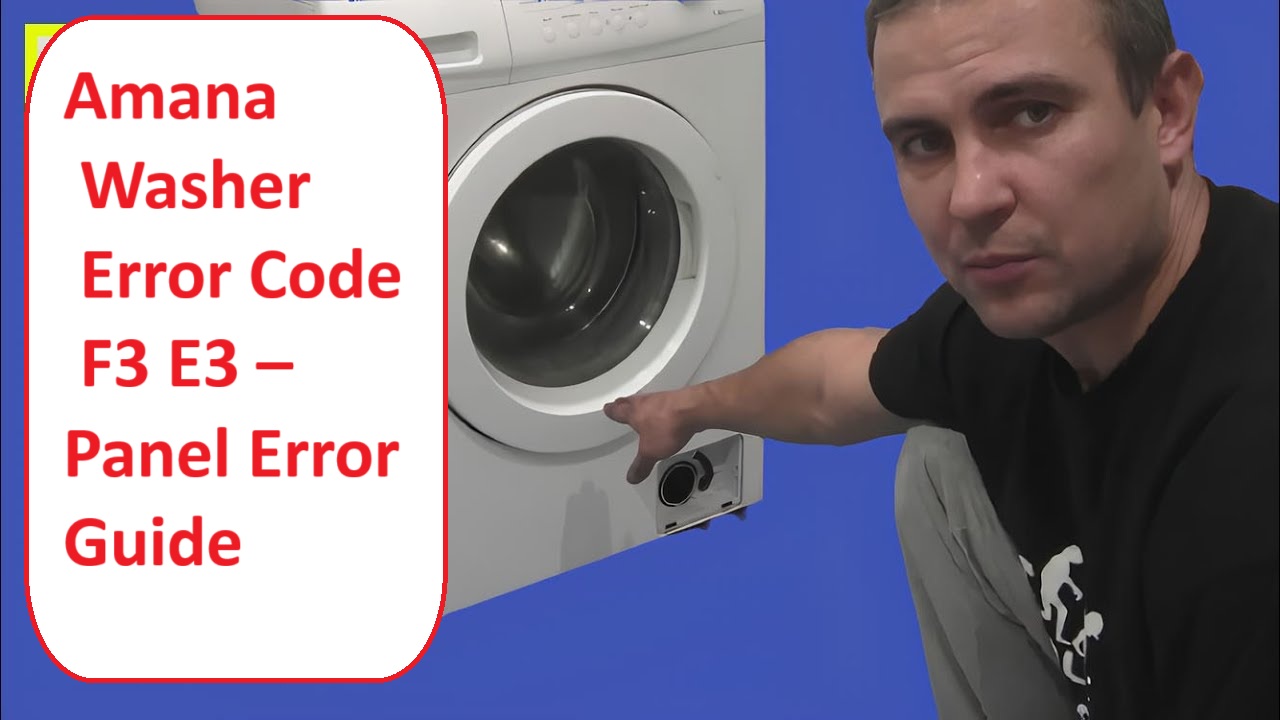
Dealing with your Amana Washer Error Code F3 E3 can be incredibly frustrating, but you’re not alone in facing this issue.
This error code typically indicates a problem with the temperature sensor, which can disrupt your washer’s ability to function properly.
The good news is that this is a common issue, and many of the causes can be fixed with simple DIY solutions.
One common cause of the F3 E3 error is a loose or damaged temperature sensor connection.
If this is the case, you may be able to resolve the issue by checking and securing the connections.
However, to fully understand this error and explore additional potential causes and solutions, I recommend reading through the entire post.
You’ll find valuable information that can help you get your washer back in working order.
What Does the Error Code Means?
When your Amana washer shows the error code F3 E3, it signals an issue with the temperature sensor. This crucial component monitors the water temperature during wash cycles to maintain optimal washing conditions. Understanding what this error code means can greatly aid in effective troubleshooting.
Start by inspecting the wiring and connections that lead to the sensor. Loose or damaged wires can easily trigger this error code, so ensure everything is securely connected and free from wear. Next, take a close look at the temperature sensor itself. Check for any signs of physical damage or malfunction that could affect its performance. Additionally, if the error persists, it may indicate a faulty thermistor that disrupts the washer cycle.
If the wiring and sensor appear to be in good condition, it may be beneficial to run a diagnostic test. This can help pinpoint the exact source of the problem. Remember to always prioritize safety when working with appliances. If you’re unsure or uncomfortable with any steps, seeking assistance from a qualified technician is always a wise choice.
Common Causes Behind Error Code
Understanding the Possible Causes of F3 E3 Error Code
Error Code F3 E3 can arise from several issues, including a malfunctioning control board or sensor problems. Additionally, door switch failure can contribute to error codes in washing machines, indicating that various components may impact the overall functionality.
Faulty Control Panel Connection
A faulty control panel connection may seem like a minor inconvenience, but it can lead to your Amana washer displaying the error code F3 E3. This error often indicates a problem with the connection between the control panel and the main control board, which can disrupt the washer’s function. Here are some common causes of connection issues you should be aware of:
| Cause | Description |
|---|---|
| Loose Connections | Over time, wires may become loose, leading to intermittent connectivity. |
| Corroded Connectors | Exposure to moisture can cause corrosion, which interferes with performance. |
| Dirt and Debris | Accumulated dirt can obstruct electrical connections, leading to errors. |
| Improper Installation | Components that are not seated correctly can result in malfunctioning. |
Addressing these connection issues promptly can help prevent further complications and ensure your washer runs smoothly. Before assuming there’s a more serious problem, take the time to thoroughly inspect the connections. Remember, safety is paramount; always unplug your washer before performing any inspection or repair work. If you’re unsure at any point, don’t hesitate to reach out to a professional technician for assistance. Empowering yourself with knowledge is key to keeping your appliance in good working order! Additionally, consider checking for loose connections as they can lead to communication breakdowns similar to those observed in error codes like F7 E2.
Damaged Wiring Harness
A damaged wiring harness can be a significant factor contributing to the F3 E3 error code on your Amana washer, impacting its overall functionality. Wiring issues typically stem from factors such as wear and tear, improper installation, or environmental conditions like moisture exposure. When the wiring harness is compromised, it can cause poor connections, which disrupt communication between the control panel and various components of the washer.
To tackle this problem, it’s crucial to conduct a thorough inspection of the wiring harness. Look for signs of frayed wires, loose connections, or any corrosion that may have developed. If you identify any damage, it’s important to replace the wiring harness as soon as possible to restore the washer’s operation. Neglecting these issues can lead to more significant problems down the road, resulting in costly repairs. Additionally, keeping the washer area dry can help mitigate moisture-related wiring issues.
Taking the time to inspect and maintain your washer’s wiring is not just a good practice; it’s essential for ensuring optimal performance and longevity. By staying proactive and addressing any wiring concerns, you can keep your Amana washer running smoothly for years to come. Remember, safety is paramount, so if you’re not comfortable performing these checks yourself, don’t hesitate to consult a professional technician.
Faulty Sensor Malfunction
After thoroughly examining the wiring harness, it’s important to consider that a faulty sensor malfunction may also be behind the F3 E3 error code you’re encountering with your Amana washer. Sensors are crucial components that monitor various functions in your washer, and when they malfunction, it can lead to error codes and hinder the overall performance of the appliance.
To assess whether a sensor is functioning properly, you should perform some basic testing. This involves measuring the resistance and voltage levels of the sensor according to the manufacturer’s specifications, which you can find in the user manual or service guide for your specific model. If your readings deviate from the expected values, it likely indicates that the sensor is faulty and may need to be replaced.
When purchasing a replacement sensor, ensure that you select one that is compatible with your Amana washer model. Using the correct part is essential for maintaining the washer’s efficiency and performance. Addressing a faulty sensor promptly not only prevents further complications but also helps keep your washer operating smoothly. Additionally, regular maintenance can prevent sensor malfunctions by ensuring that dirt and lint do not interfere with their performance.
If you’re unsure about the testing process or how to replace the sensor safely, don’t hesitate to reach out for professional assistance. Remember, your safety is paramount, and taking the right steps will ensure your appliance runs optimally for years to come.
Loose Connector at Sensor
One common reason for the F3 E3 error code in your Amana washer is a loose connector at the sensor. This issue can often occur during installation or routine maintenance, resulting in a weak or faulty connection that disrupts the sensor’s function. To help you troubleshoot this problem safely and effectively, here’s a step-by-step guide:
| Step | Action |
|---|---|
| 1. Power Off | Start by disconnecting the washer from the power source to ensure your safety. |
| 2. Inspect | Carefully examine the sensor connections for any loose or disconnected wires. Look for signs of wear or corrosion as well. |
| 3. Reconnect | If you find any loose wires, securely reconnect them to ensure a solid connection. Make sure everything is properly seated and snug. |
Additionally, ensure that you check for faulty wiring as compromised connections can also lead to communication issues within the washer.
Required Tools to Fix the Error
Tools Needed for Troubleshooting F3 E3 Error. Additionally, having a multimeter for testing electrical connections can significantly aid in diagnosing the issue effectively.
Basic Tools
Before you dive into addressing the F3 E3 error on your Amana washer, it’s important to gather a few essential tools. Having the right equipment will not only make the repair process smoother but also help you accurately diagnose and resolve the issue associated with this error code. Here’s a list of the basic tools you’ll want to have ready:
- Screwdriver – A flathead and Phillips screwdriver are essential for removing various panels and accessing the internal components of your washer.
- Multimeter – This tool is crucial for testing electrical components and connections. It will help you determine if there are any faulty parts that need to be replaced.
- Pliers – A good pair of pliers will assist you in gripping and manipulating wires or small components, which is often necessary during repairs.
- Flashlight – A reliable flashlight is invaluable for illuminating dark areas inside the washing machine, ensuring you can see what you’re working on clearly.
In addition to these tools, ensure you inspect loose or damaged connections as they can often contribute to error codes.
With these tools at your disposal, you’ll feel confident in tackling the F3 E3 error. Remember, safety is paramount, so always ensure the washer is unplugged before you begin any repair work. Taking these steps will help you restore proper function to your washing machine in no time. Happy repairing!
Supplies
To effectively address the F3 E3 error on your Amana washer, having the right supplies is crucial for a successful troubleshooting and repair process. This not only helps you fix the error but also supports ongoing maintenance and prevention of similar issues in the future.
Here’s a concise list of the essential supplies you’ll need:
- Multimeter – This tool is vital for checking electrical connections and ensuring that all components are functioning correctly.
- Screwdriver set – A variety of screwdrivers will allow you to access the internal components of your washer safely and effectively.
- Cleaning cloth – Keeping your washer free of dust and debris can significantly aid in its overall function and longevity.
- Replacement parts – Depending on your findings, you may need specific parts like sensors or control boards to restore your washer to proper working condition.
- Safety gloves – Wearing safety gloves is important to protect yourself during repairs.
Equipped with these supplies, you’ll be in a strong position to tackle the F3 E3 error confidently and ensure that your washer operates smoothly for years to come. Remember, safety is paramount. Always unplug your washer before starting any repair work, and refer to your owner’s manual for specific guidance related to your model.
Pre-Safety Checklist Before Fixing
Before you start addressing the F3 E3 error code on your Amana washer, it’s crucial to ensure a safe working environment. Here’s a comprehensive pre-safety checklist to follow:
Before tackling the F3 E3 error on your Amana washer, prioritize safety with this essential checklist.
- Wear Safety Gear: Always wear gloves and safety goggles. This protective equipment shields you from any potential hazards, whether it’s sharp edges or chemicals.
- Confirm Power Disconnection: Unplug the washer from the outlet. This step is vital to prevent electrical shocks while you’re working on the machine. If your washer is hardwired, make sure to turn off the circuit breaker.
- Check for Water Leaks: Inspect the area around the washer for any signs of leaks. Water pooling can create a slippery surface, posing a significant risk of slipping and falling.
- Gather Tools: Assemble all the necessary tools you’ll need for the repair. Having everything on hand allows you to work more efficiently and minimize interruptions. Additionally, it’s important to ensure you have the right tools like a screwdriver set to access internal components safely.
Diagnose the Error Code
With safety measures firmly in place, let’s dive into diagnosing the F3 E3 error code on your Amana washer. Understanding this error is crucial as it typically indicates issues related to the control panel or wiring. Below, I’ve outlined a straightforward process to help you pinpoint the source of the problem:
| Step | Action | Results |
|---|---|---|
| Check connections | Inspect all wires and connectors thoroughly | Ensure they are secure and free from corrosion |
| Reset the machine | Unplug the washer for 5 minutes, then plug it back in | This can clear any temporary faults or glitches |
| Test the control panel | Utilize a multimeter to assess the panel’s functionality | Confirm whether the control panel is operating correctly |
| Inspect for damage | Look for any signs of wear, fraying, or discoloration on wires | Identify components that may need replacement |
| Consult the manual | Reference the user manual specific to your model | Gain detailed troubleshooting insights tailored to your washer |
Step-by-Step DIY Troubleshooting Guide
Moving Forward with Troubleshooting Steps
Reconnect Control Panel Cable
Before you begin any repair work, safety is your top priority. Start by ensuring the washer is unplugged to avoid any electrical hazards.
To access the control panel, you’ll need to remove the screws that secure it to the washer. Once the screws are out, gently lift the panel to reveal the control panel cable. Take a moment to inspect the cable for any signs of wear, damage, or disconnections. If you notice that the cable is loose, carefully reconnect it to its socket. You should hear a distinct click when it locks into place, which assures you of a secure connection.
It’s also wise to double-check all other connections to ensure everything is seated properly. After you’ve confirmed that all connections are secure, reposition the control panel and fasten it back in place with the screws you removed earlier.
Once everything is reassembled, plug the washer back in and test its functionality to see if the F3 E3 error code has been resolved. Following these steps can help you effectively troubleshoot and fix common issues related to the control panel. Remember, taking your time and being thorough can save you from future headaches!
Repair Damaged Wiring Harness
After ensuring that the control panel cable is securely connected, the next step is to carefully inspect the wiring harness for any signs of damage. Start with a comprehensive examination, looking for frayed wires, breaks, or corrosion that could impact functionality. It’s essential to have the wiring diagram specific to your Amana washer model on hand. This will help you accurately identify connections and wiring paths.
If you do discover any damaged wires, take your time to remove the affected section with care. Use wire strippers to expose a fresh segment of wire, and then splice in a new wire using the appropriate connectors, ensuring that they are rated for the type of wire you are working with. It’s crucial to verify that all connections are secure and well-insulated to prevent any future issues.
Once the repairs are completed, cross-check the connections against the wiring diagram to ensure everything is correctly placed. After that, you can power on your washer to see if the error code still appears. If the issue persists, further diagnosis may be necessary, as it could indicate a more complex problem within the appliance. Remember, safety comes first—always disconnect the power before starting any repairs.
Replace Faulty Sensor
If you’ve confirmed that there is no damage to the wiring and the F3 E3 error code continues to appear, it’s time to replace the faulty sensor. Safety is paramount, so start by unplugging your Amana washer. This step ensures that you won’t risk electric shock while working on the appliance.
Next, locate the sensor. It is typically positioned near the control panel or within the drum area, depending on your model. Carefully disconnect the old sensor, taking note of how the wiring is configured. This will help you connect the new sensor correctly.
Once you have the new sensor, attach it in the same orientation as the old one, ensuring that all connections are secure. After everything is back in place, plug the washer back in and run a diagnostic cycle. This will allow you to check if the F3 E3 error code has cleared.
Secure Sensor Connector Properly
To secure the sensor connector properly, let’s take a systematic approach to ensure both safety and functionality.
First, start by inspecting the connector. It’s crucial that it is clean and free from any dust, debris, or signs of corrosion. A soft brush or lint-free cloth is your best tool for this job. Cleaning is vital because contaminants can interfere with the connection and lead to malfunctions.
Next, check the alignment of the connector. Make sure it is oriented correctly according to the design—this is important, as forcing a connector into place in the wrong direction can damage both the connector and the sensor itself.
Once you have confirmed that the connector is clean and aligned, gently push it into place. Listen for a click sound, which indicates that it has seated securely. This audible confirmation is a key step; if you don’t hear the click, do not force it, as this could lead to damage.
Finally, after the connector is in place, double-check that it is tightly fastened and doesn’t wiggle. A secure fit is essential for the sensor to function properly and reliably.
By following these steps, you will not only enhance the performance of your appliance but also help prevent future errors and issues.
| Step | Action |
|---|---|
| 1 | Clean connector |
| 2 | Align properly |
| 3 | Push until you hear a click |
| 4 | Check for a secure fit |
Taking the time to secure the sensor connector properly will ensure your appliance runs smoothly and safely. If you have any further questions or need assistance, feel free to reach out!
Call a Professional If
While many minor issues with your Amana washer can be resolved through basic troubleshooting, it’s essential to call a professional if the F3 E3 error code continues to appear despite your best efforts. Ignoring this code can lead to more serious damage or complications down the line. A qualified technician possesses the expertise necessary to diagnose any underlying electrical or mechanical problems that might be causing the error.
Furthermore, they can ensure that all connections are secure and functioning properly. Attempting extensive repairs without adequate knowledge can be risky and may even void your warranty. For your safety and peace of mind, I recommend trusting a skilled professional who can effectively restore your washer to optimal performance. Remember, it’s always better to seek help when you’re unsure—your appliance deserves it!