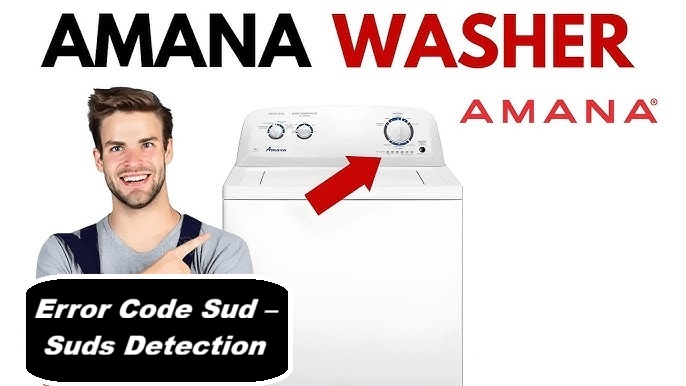
Dealing with the Amana washer error code “SUD” can be incredibly frustrating. This code indicates that your washer has detected excessive suds in the drum, which can throw off the entire washing cycle.
In simple terms, it’s like your washer is saying, “Whoa, too much soap here!” This is a common issue that many users face, so you’re not alone, and fortunately, there are often straightforward DIY solutions to resolve it.
One common reason for this error is using too much detergent, which can create an overload of suds.
If you’re curious about other potential causes and how to effectively fix the issue, I encourage you to read through the entire post. You’ll find a wealth of information to help you tackle the “SUD” error and get your washer back to its best performance.
What Does the Error Code Means?
Have you ever encountered an error code on your Amana washer and wondered what it really means? Understanding these codes, such as “SUD,” is crucial for effective troubleshooting and maintaining your appliance’s performance. The “SUD” code typically indicates that there are excessive suds in the drum, which often happens when too much detergent is used.
To resolve this issue, it’s advisable to switch to a High Efficiency (HE) detergent, as these are designed to produce fewer suds. If you’ve already used too much detergent, you can run a rinse cycle to help eliminate the excess suds. Additionally, ensure that you are not overloading the washing drum, as this can also contribute to suds buildup.
Always refer to your user manual for specific error code meanings and detailed troubleshooting tips. This resource can provide you with the necessary information to promptly address any issues and keep your Amana washer operating smoothly. Remember, understanding your appliance will empower you to tackle problems confidently and efficiently.
Common Causes Behind Error Code
Understanding the Causes of Suds Detection Errors
Suds detection errors can occur due to excessive detergent usage, leading to a buildup of foam that the washer cannot handle. Additionally, issues such as clogged drain hoses can also contribute to this problem, preventing proper drainage and exacerbating the suds formation.
Excessive Detergent Usage
Excessive detergent usage is a common issue that can lead to the suds detection error code in your Amana washer. This error not only affects the performance of your machine but can also cause potential damage over time. When too much detergent is added, it creates an abundance of suds that can interfere with the washer’s operation, leading to inefficient cleaning cycles and longer wash times.
To prevent this problem, it’s highly advisable to switch to high-efficiency (HE) detergents. These detergents are specifically formulated to produce fewer suds while still providing effective cleaning power. Additionally, it’s crucial to adopt proper washing practices. Always measure your detergent based on the size of your load and the level of soil on your clothes. Many manufacturers provide guidelines on the detergent packaging to help you determine the right amount.
Remember, using more detergent does not equate to cleaner clothes. In fact, it can lead to residue buildup on your garments and within the washer itself, which can cause further issues, including poor rinsing and unpleasant odors. By adjusting your detergent usage, not only will you prevent those pesky error codes, but you’ll also help extend the lifespan of your washer. Furthermore, malfunctioning door latch can also contribute to operational issues, so ensuring all components function properly is essential for optimal performance.
Incorrect Detergent Type
Using the wrong type of detergent in your Amana washer can lead to the frustrating suds detection error code. It’s important to use detergents specifically formulated for high-efficiency (HE) machines. Regular detergents produce more suds than HE detergents, which can cause over-sudsing issues and disrupt the washing cycle.
If you’re tempted to use homemade or natural soap alternatives, be cautious. These products often don’t contain the necessary surfactants that effectively break down dirt and grime, which can lead to excessive foam buildup in your washer. Always check your detergent label to ensure it is HE-certified; this will help prevent performance issues.
If you suspect that your detergent is the culprit behind the error code, I recommend switching to a trusted HE detergent. This simple change can help you maintain your washer’s peak performance and avoid any suds-related errors in the future. Remember, using the right products is key to keeping your appliance running smoothly and efficiently. Additionally, cleaning the keypad regularly can help prevent related issues that may arise from soap residues.
Improper Load Size
If your load size is either too large or too small, it can trigger the suds detection error in your Amana washer. Achieving proper load balance is crucial for optimal performance. When the washer is overloaded, it exceeds its capacity, which hampers the distribution of water and detergent, potentially leading to excessive suds. On the other hand, a load that’s too small may not agitate effectively, resulting in an unbalanced wash and the same suds issue.
To avoid these problems, it’s important to familiarize yourself with your washer’s capacity guidelines. Make sure to load it correctly by distributing items evenly and avoiding the mixing of heavy and light fabrics. Here are some actionable tips:
- Check Capacity: Refer to your washer’s manual for the recommended load capacity. This information is vital for loading your machine correctly.
- Balance Your Load: Place heavier items in the drum first, then add lighter fabrics around them. This helps to maintain balance during the wash cycle.
- Avoid Overloading: Ensure that you can fit your hand comfortably between the top of the load and the door of the washer. If you can’t, it’s too full.
- Small Loads: If you have a small load, consider adding a few extra items, like towels or sheets, to help achieve a balanced wash. Additionally, understanding how a malfunctioning drain pump can contribute to excess suds can further aid in troubleshooting.
Clogged Drain Hose
A clogged drain hose can significantly affect your Amana washer’s performance by triggering the suds detection error. When the drain hose becomes blocked, water cannot exit the machine properly during the wash cycle, causing an accumulation of excess suds. This not only leads to inefficient cleaning but can also put your washer at risk for more serious damage.
To maintain optimal washing machine performance, it’s crucial to regularly inspect the drain hose. Look for any kinks, twists, or obstructions that could prevent proper drainage. Additionally, check for lint buildup or foreign objects that might have made their way into the hose. Clearing these issues can help you avoid the suds detection error and ensure your washer operates smoothly. Regular maintenance, such as cleaning the drain pump filter, can prevent clogs and promote efficient drainage.
Required Tools to Fix the Error
Necessary Tools for Repair
In addition to general tools, a multimeter for testing electrical components can be essential for diagnosing issues related to error codes.
Basic Tools
Fixing the suds detection error on your Amana washer is a task that can be tackled with a few essential tools. Having the right equipment at your disposal not only ensures a smoother repair process but also enhances your overall confidence in addressing appliance issues. Here’s a concise overview of the basic tools you’ll need:
- Screwdriver Set: This is crucial for removing various panels and gaining access to the internal components of your washer. A set with both flathead and Phillips screwdrivers will serve you well.
- Adjustable Wrench: This handy tool is perfect for loosening or tightening the water supply connections. It’s versatile and can fit different sizes of nuts and bolts, making it a staple in any repair toolkit.
- Multimeter: A multimeter is invaluable for testing electrical components. It allows you to verify that each part is functioning correctly, ensuring that you address the root cause of the error, rather than just the symptoms. Additionally, a consistent power supply is crucial for washer operation, as fluctuations can lead to errors like the suds detection issue.
Having these tools ready before you begin your repair will save you both time and frustration. It’s important to be prepared, as a well-equipped workspace can make all the difference in your repair experience.
Now that you have the necessary tools, let’s move on to the next steps in resolving that pesky suds detection error. Remember, taking safety precautions is paramount, so ensure you disconnect the washer from power and water supplies before starting any work.
Supplies
When dealing with the suds detection error on your Amana washer, having the right supplies is essential for a successful repair. I’ve gathered a list of items that will help you manage this issue effectively. Let’s dive into what you’ll need:
- Suds reducer: This is crucial for controlling excessive suds during your wash cycle. Look for products specifically designed for high-efficiency washers to ensure compatibility and effectiveness.
- Low-sudsing detergent: Switching to a low-sudsing or high-efficiency detergent can prevent suds issues in the future. Always check the label to ensure it’s suitable for your washer model, as using the wrong detergent can lead to more problems down the line.
- Cleaning brush: A soft-bristled cleaning brush is invaluable for maintaining your washer. Use it to clean the detergent dispenser and drum, which will help ensure your washer operates at peak performance and reduce the likelihood of suds accumulation. Additionally, regularly checking for blocked inlet valves can help avoid future suds errors.
Pre-Safety Checklist Before Fixing
Before you get started on repairing your Amana washer, ensuring your safety and preventing any further damage is crucial. By following a few essential safety precautions, you can approach the task with confidence and efficiency. Here’s a pre-safety checklist to guide you:
Ensuring safety before repairing your Amana washer is essential for a successful and hazard-free experience.
- Unplug the washer: This step is vital to eliminate any risk of electrical shock. Always disconnect the power source before beginning any repair work.
- Wear protective gear: Equip yourself with gloves and safety goggles. These will protect you from any sharp edges and potential hazards while working on your appliance.
- Clear the area: Make sure the space around your washer is free of clutter. This not only helps prevent accidents but also allows you to move around easily and access the appliance without obstruction.
- Inspect the door latch mechanism: A thorough examination can help identify any door latch issues that may affect the washer’s operation.
Diagnose the Error Code
After ensuring your safety, it’s time to diagnose the error code that’s causing the suds detection issue in your Amana washer. Start by checking the control panel for any error codes. If you see the ‘Sud’ code, this indicates that excessive suds are present.
First, take a look at your detergent usage—using too much detergent can trigger this problem. It’s important to follow the manufacturer’s recommendations for detergent amounts, as too much can lead to oversudsing.
Next, use some troubleshooting techniques. Inspect the drain hose for any clogs or kinks, as these can prevent proper drainage and contribute to suds buildup. Make sure the hose is positioned correctly and free from blockages.
Additionally, assess the water level sensor to ensure it’s functioning properly. This sensor plays a crucial role in detecting the amount of water in the drum and can sometimes misread if it’s faulty or obstructed.
Step-by-Step DIY Troubleshooting Guide
Next Steps for Resolving Suds Detection Issues
Reduce Detergent Quantity
Reducing the amount of detergent you use can significantly help with suds detection issues in your Amana washer. First, it’s important to check the type of detergent you’re using. High-efficiency (HE) detergents are specifically designed to produce fewer suds than standard detergents. If you’re currently using a regular detergent, I recommend switching to an HE detergent, as it works better with modern washers.
Next, pay attention to how much detergent you’re using. Always measure according to the manufacturer’s recommendations, which are based on load size and soil level. For smaller or lightly soiled loads, you can often use less detergent. It’s a common mistake to overload the washer, which can lead to excess suds as well. Make sure you’re not exceeding the washer’s capacity to ensure everything functions properly.
Clear the Drain Filter
Excess suds can often be traced back to a clogged drain filter, which disrupts proper water drainage and may activate your washer’s suds detection system. Fortunately, cleaning the drain filter is a straightforward process that’s essential for maintaining your washer’s performance. Here’s a step-by-step guide to help you through this important maintenance task:
| Step | Action | Notes |
|---|---|---|
| 1 | Unplug the washer | Always prioritize safety first. |
| 2 | Locate the drain filter | It’s typically found at the front or bottom of the machine. |
| 3 | Remove and clean the filter | Rinse it thoroughly under warm water to remove any debris. |
Check Load Distribution Evenly
Proper load distribution is crucial for preventing excessive suds in your Amana washer and ensuring optimal performance. To achieve effective load balancing, start by evenly distributing items within the drum. It’s important not to overload or underload the washer, as both can lead to suds issues that may affect washing efficiency.
When loading your washer, aim to mix heavy and light fabrics. This creates an even weight throughout the load, which helps the washer maintain balance during operation. A good rule of thumb is to place larger, heavier items like towels at the bottom of the drum and lighter items, such as delicates, on top. This arrangement allows for better movement and circulation of water and detergent.
Always check that the load can move freely inside the drum. If the washer detects an unbalanced load during the cycle, it may pause to correct it. In that case, it’s advisable to stop the machine and rearrange the items to restore balance.
Unclog the Drain Hose
A clogged drain hose can significantly affect your Amana washer‘s efficiency, potentially resulting in suds buildup and washing complications. Fortunately, this is an issue you can address with a few straightforward steps.
First and foremost, ensure the washer is disconnected from the power source to prioritize your safety. Next, locate the drain hose, which is typically situated at the back of the washer. Carefully inspect the hose for any signs of kinks, bends, or visible blockages. If you identify any issues, gently straighten the hose or remove any obstructions you can see.
Once you’ve checked the exterior, it’s essential to detach the drain hose from the washer. This allows you to inspect the inside of the hose more thoroughly. Use a long brush or a flexible cleaning tool to clear away any debris that may be causing the blockage. After cleaning, rinse the hose with water to ensure it is completely clear.
After you’ve completed these steps, securely reattach the hose and plug the washer back in. Remember, regular maintenance of the drain hose can go a long way in preventing future clogs and ensuring your washer operates smoothly. Taking these proactive measures will help keep your appliance running efficiently for years to come.
Call a Professional If
If you’ve attempted to troubleshoot the suds detection issue but haven’t had any luck, it may be time to consider reaching out to a professional. This problem could indicate a more complex issue, such as a malfunctioning pressure switch or a faulty control board, both of which require specialized expertise to accurately diagnose and repair.
Engaging a professional not only ensures that your washer receives maintenance advice tailored to your specific model but also allows them to identify any additional underlying issues. These might include electrical problems or improper detergent use, both of which can contribute to suds buildup.
It’s important to address these concerns promptly, as delaying repairs could result in further damage to your appliance. By consulting with an expert, you can restore your washer’s efficiency and prevent future suds-related errors, ultimately saving you time, money, and frustration in the long run. Remember, a well-maintained washer is key to a smooth laundry experience.