Dealing with a malfunctioning washer can be incredibly frustrating, especially when you’re faced with the GE washer error code E39. This specific code indicates a tachometer signal problem, which essentially means there’s an issue with the washer’s ability to read the motor’s speed accurately.
The good news is that this is a common issue, and many causes have simple DIY solutions that you can tackle yourself.
One common cause of the E39 error is a faulty tachometer sensor. However, there are several other potential culprits behind this error as well.
To help you get your washer back in working order, we encourage you to read through the entire post. You’ll find essential steps to diagnose and resolve this error, ensuring your appliance runs smoothly once again.
What Does the Error Code Mean?
Have you encountered the GE Washer Error Code E39? This code is a signal that there’s an issue with the motor control system, specifically concerning the tachometer signal. When your washer displays E39, it typically means that the signal coming from the motor’s tachometer is either interrupted or not functioning properly. This disruption can hinder the washer’s ability to accurately sense the motor’s speed, which may lead to various operational problems.
The motor control system relies heavily on this tachometer signal for optimal performance. If there is any disruption in this signal, it can compromise the washer’s functionality. To address this issue, I recommend taking a close look at the connections and wiring associated with the motor and tachometer. Ensuring that these components are secure and free from damage is crucial for maintaining a stable signal.
If you’re comfortable with appliance repair, you can start by unplugging the washer and visually inspecting the wiring for any signs of wear or loose connections. If you find any issues, repairing or replacing the damaged wires may resolve the error code. However, if you’re unsure or uncomfortable with these steps, it’s always best to consult a professional technician. Promptly addressing the E39 error can help restore your washer’s functionality and keep it running smoothly.
Common Causes of the Error Code
Troubleshooting Error Code E39: Key Areas to Check
Cause 1
One common cause of the GE washer error code E39 is a malfunctioning door lock assembly. When this component fails, it can disrupt the communication between the tachometer sensor and the control board, ultimately leading to the error you’re seeing. Additionally, issues with the wiring harness can also trigger this code by impairing the signal transmission necessary for your washer to function correctly.
To help you troubleshoot, here’s a breakdown of the components that might be involved:
| Component | Issue |
|---|---|
| Door Lock Assembly | Malfunction preventing washer operation |
| Tachometer Sensor | Faulty sensor affecting speed readings |
| Wiring Harness | Damaged or loose connections |
| Control Board | Failure to process tachometer signals |
| Electrical Connections | Corrosion or disconnection |
If you’re experiencing the E39 error, start by inspecting the door lock assembly for any signs of wear or damage. Next, check the tachometer sensor for functionality, as a faulty sensor can lead to inaccurate readings. Ensure that the wiring harness is intact with no loose or damaged connections. Finally, examine the control board to confirm it is processing signals correctly. Addressing these potential issues can often resolve the error and get your washer back to working order. Remember to always prioritize safety when performing repairs and consult your user manual for specific guidance on your model.
Cause 2
In addition to a malfunctioning door lock assembly, another frequent culprit behind the GE washer error code E39 is a faulty motor control board. This component is crucial as it regulates the washer’s performance and ensures effective communication with the tachometer sensor. When the motor control board malfunctions, it may fail to receive or interpret the tachometer signal correctly, resulting in the E39 error.
To diagnose this issue, start by inspecting the motor control board for any visible signs of damage. Look for burnt components or corrosion, as these can indicate a failure. It’s also important to check that all connections between the motor control board and the tachometer sensor are tight and secure.
If, after this inspection, you suspect that the motor control board is the source of the problem, replacing it could restore your washer to normal operation. Always prioritize safety when working on appliances, and if you’re unsure or uncomfortable with the repair, reaching out to a professional technician is a wise choice.
Cause 3
While a malfunctioning door lock assembly and a faulty motor control board are common causes of the GE washer error code E39, there are also other potential issues that could trigger this error. It’s important to identify these additional culprits to effectively resolve the problem. Here are some other causes to consider:
- Worn Tachometer Sensor: The tachometer sensor plays a crucial role in providing accurate speed readings to the motor control board. If this sensor is degraded or faulty, it may not relay the correct information, leading to the E39 error.
- Loose Wiring: Inspect the wiring connections for any signs of damage or looseness. A disrupted signal due to faulty or loose connections can hinder communication between components, resulting in the error code.
- Motor Control Issues: If there’s a malfunction within the motor control unit, it can significantly affect the washer’s operation. This unit is responsible for coordinating the motor’s functions, so any issues here can lead to performance problems.
- Sensor Malfunction: If any of the sensors in your washer aren’t functioning properly, it can cause inaccurate speed readings and trigger the E39 error. It’s essential to ensure that all sensors are in good working order.
Cause 4
Understanding the common causes of the GE washer error code E39 is crucial for effective troubleshooting. One of the primary causes is a malfunctioning motor control board. When this board fails, it cannot accurately process the tachometer signal, which is essential for the washer’s operation.
Another potential issue can arise from the wiring harness. If the wiring is damaged or corroded, it can interrupt the signal transmission, preventing the motor control from receiving the correct data from the tachometer. It’s important to thoroughly inspect the wiring harness for any signs of wear, fraying, or corrosion. Additionally, ensure that all connectors are secure and free from any debris, as loose or dirty connections can also contribute to the E39 error.
Required Tools to Fix the Error
Preparing for Repair: Essential Tools and Supplies
Basic Tools
Before diving into the GE washer error code E39, it’s essential to gather the right tools to ensure a smooth and safe repair process. Having these tools at your disposal not only facilitates effective troubleshooting but also enhances your safety while working on the appliance.
Here’s a list of the basic tools you’ll need:
- Screwdriver Set – A combination of Phillips and flathead screwdrivers is crucial for accessing various components of the washer. Make sure to have different sizes to accommodate all screws.
- Multimeter – This indispensable tool will allow you to test electrical signals and check for continuity issues, which is vital in diagnosing electrical problems associated with the E39 error.
- Tachometer – A tachometer is useful for diagnosing the motor’s speed and ensuring that the tachometer signal is functioning correctly. This can help pinpoint issues related to the motor’s performance.
- Wire Strippers – If you encounter any damaged wiring during your inspection, wire strippers will be necessary for replacing or repairing those wires safely and effectively.
Supplies
Having the right supplies is crucial when tackling the GE washer error code E39. To start, a multimeter is an indispensable tool for checking the tachometer signal and ensuring it’s functioning properly. This step is key because a faulty tachometer can lead to the E39 error.
Next, you’ll need a comprehensive screwdriver set to access the internal components of your washer for inspection and repairs. It’s a good idea to have a replacement tachometer on hand, as this is a common failure point in many washers. If your testing indicates that the tachometer is indeed faulty, having a replacement ready can save you time and get your washer back in working order quickly.
Additionally, keep some electrical tape and wire connectors handy. These will be useful for any wiring repairs you may encounter during your troubleshooting process.
Finally, once you’ve resolved the E39 error, consider using a cleaning solution specifically designed for washer drums and components. Regular maintenance can prevent future issues and help prolong the life of your appliance.
With these supplies in your toolkit, you’ll be well-prepared to address the E39 error efficiently and effectively. Remember, safety first: always unplug your washer before starting any repairs and consult your appliance’s manual for specific guidance.
Pre-Safety Checklist Before Fixing
Ensuring your safety is paramount when addressing the GE washer error code E39. Before you start any repairs, it’s crucial to adhere to these essential safety precautions to protect yourself and your appliance:
- Unplug the Washer: Always disconnect the power source before beginning any repair. This step is vital to prevent any electrical hazards that could lead to serious injury.
- Check for Water Leaks: Carefully inspect the area around your washer for any signs of leaks. Water on the floor can create a slipping hazard, so make sure the space is dry and safe to work in.
- Wear Protective Gear: Equip yourself with appropriate protective gear such as gloves and safety goggles. This will shield you from sharp edges and any potential debris that may pose a risk during repairs.
- Ensure a Clear Workspace: Take the time to remove any clutter or obstacles around your washer. A tidy work area is essential for maintaining a safe environment and allows you to focus on the task at hand without distractions.
Diagnose the Error Code
To effectively diagnose the GE washer error code E39, it’s essential to first understand what this code signifies. The E39 error indicates a tachometer signal issue, typically related to the motor or control board. Here’s how to approach the problem safely and accurately.
- Check Wiring and Connections: Begin by inspecting all wiring and connections associated with the motor. Ensure that they are secure and free from any visible damage. Loose or frayed wires can often lead to signal issues.
- Test the Tachometer: Using a multimeter, test the tachometer for proper voltage output. Set your multimeter to the appropriate setting and measure the voltage while the washer is in operation. If you notice any inconsistencies or if the voltage is outside the expected range, this could indicate a faulty tachometer.
- Understanding Error Signals: Error signals serve as important indicators of underlying issues. The E39 code specifically points to a problem with the motor’s ability to communicate its speed to the control board. By understanding this, you can narrow down the potential causes of the malfunction.
- Consider Professional Help: If you’ve checked the wiring and tested the tachometer but the issue persists, it may be time to consult a professional. They can provide deeper insights and perform more complex tests to pinpoint the exact cause of the problem.
Step-by-Step DIY Troubleshooting Guide
Moving Forward with Troubleshooting Steps
Fix for Cause 1
If you’ve encountered the E39 error on your GE washer, don’t worry—this issue can be resolved with a bit of troubleshooting. The E39 error typically indicates a problem with the tachometer sensor, which plays a crucial role in motor control. Here’s a comprehensive, step-by-step guide to help you address this issue safely and effectively:
- Unplug the Washer: Before you begin any work, ensure your safety by disconnecting the power supply. This is a critical step to prevent any electrical hazards.
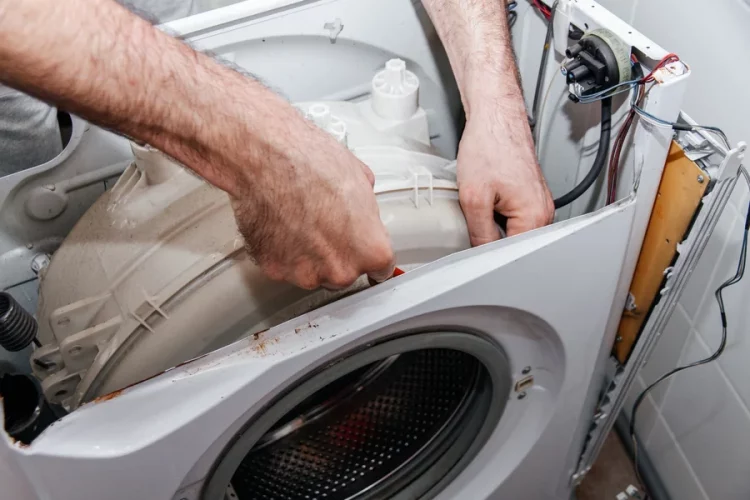
- Access the Tachometer Sensor: To locate the tachometer sensor, you’ll need to remove the back panel of the washer. This will give you access to the motor where the sensor is situated.
- Inspect Connections: Once you have access, carefully check the wires connected to the tachometer sensor. Look for any signs of looseness or damage. If you find any issues, tighten the connections or replace any damaged wires to ensure proper functionality.
- Test the Sensor: Using a multimeter, measure the resistance of the tachometer sensor. Refer to your washer’s service manual for the specific resistance values to expect. If the resistance is outside the specified range, it’s time to replace the tachometer sensor.
Fix for Cause 2
Resolving the E39 error on your GE washer requires a thorough examination beyond just the tachometer sensor. If you’ve already checked the sensor and it appears to be functioning correctly, the next potential culprit could be the motor control board. Here’s a step-by-step guide to help you diagnose and address this issue safely:
| Step | Action |
|---|---|
| 1 | Disconnect power to the washer to ensure safety. |
| 2 | Carefully inspect the motor control board for any visible signs of damage, such as burnt components or corrosion. |
| 3 | Test all connections and wiring to ensure they are secure and free from damage. Look for loose wires or frayed insulation. |
| 4 | If you find any faults in the wiring or the board itself, consider replacing the motor control board to restore functionality. |
Always make sure that all connections are tight and secure before reassembling the washer. If you identify any issues, replacing the motor control board is a practical solution that can help eliminate the E39 error code and get your washer back to working order. Remember, safety first – if you’re unsure at any step, don’t hesitate to consult a professional technician.
Fix for Cause 3
When diagnosing the E39 error on your GE washer, it’s essential to consider the wiring harness as a potential culprit. A faulty connection can hinder the tacho sensor‘s signal to the motor control, leading to operational issues. Here’s a step-by-step guide to help you troubleshoot this problem safely and effectively:
- Unplug the Washer: Always prioritize safety by disconnecting power before proceeding with any repairs.
- Inspect the Wiring Harness: Carefully examine the wiring harness for any signs of wear, such as frayed wires or loose connections. Pay special attention to areas near the motor control where issues are more likely to occur.
- Check the Tacho Sensor Connection: Ensure that the connection to the tacho sensor is secure. Inspect for any corrosion that could interfere with its performance.
- Test Continuity: Using a multimeter, check the continuity of the wiring. This step is crucial to confirm that the wiring is intact and functioning as it should.
Fix for Cause 4
To effectively address the E39 error on your washer, it’s crucial to inspect the motor control board, as issues here can impede the signals necessary for the washer to function properly. First and foremost, ensure your safety by unplugging the washer from the power source.
Once it’s unplugged, remove the access panel to gain access to the motor control board. Carefully examine the board for any visible signs of damage, such as burnt components or corrosion, which could indicate a malfunction.
Next, turn your attention to the wiring harness connected to the motor control board. Make sure that all connections are secure and that the wires are free from any signs of wear or damage. If you come across any damaged wires, it’s important to replace them to ensure a proper connection.
If the board looks intact but the E39 error continues to show, it may be beneficial to test the board’s functionality with a multimeter. This device can help you check for proper voltage and continuity, ensuring the board is operating correctly. Should you discover that the board is faulty, replacing it may be necessary.
Once you’ve completed these checks and any required repairs, reassemble the washer carefully. By following these steps, you can confidently troubleshoot the E39 error and restore your washer to optimal performance. Remember, safety is paramount, and taking your time with these checks ensures both your safety and the longevity of your appliance.
Call a Professional If
If you’ve tried troubleshooting the GE washer error code E39 and haven’t had any luck, it’s time to consider reaching out to a professional. Safety is paramount when dealing with electrical appliances, and it’s crucial to know when to seek help. Here are four clear indicators that it’s time to call in an expert:
- Persistent Error: If the E39 code keeps reappearing, even after you’ve reset the machine, it signals a deeper issue that likely requires professional intervention.
- Unusual Sounds: Strange noises coming from your washer can indicate potential mechanical problems. These sounds could be a warning of parts that are failing or need immediate attention.
- Physical Damage: If you notice any visible wear, frayed wiring, or damage to components, it’s essential to stop using the machine. This type of damage can pose significant safety risks and should be assessed by a technician.
- Lack of Knowledge: If you’re unsure about the troubleshooting process or don’t have the necessary tools, it’s wise to consult a professional. Attempting repairs without proper knowledge can lead to further complications.
Don’t put yourself or your appliance at risk. A certified technician has the expertise to diagnose the issue accurately and resolve it efficiently, ensuring your washer operates safely and effectively.