Dealing with the F0 E1 error code on your Whirlpool washer can be incredibly frustrating, especially when you’re eager to get your laundry done. This specific error code indicates a motor control issue, which can be a nuisance in your laundry routine.
Simply put, it generally means there’s a problem related to the washer’s ability to control the motor properly.
Don’t worry; you’re not alone in facing this issue—it’s quite common, and many of the causes have straightforward DIY fixes.
One common reason for the F0 E1 error is a malfunctioning door latch, which can easily be checked and resolved.
To get a comprehensive understanding of this error, including other potential causes and solutions, make sure to read through the entire post.
By doing so, you’ll be better equipped to tackle this problem and get your washer back in working order.
What Does the Error Code Mean?
When your Whirlpool washer displays the error code F0 E1, it signifies an issue with the door lock mechanism. This error indicates that the washer is unable to confirm that the door is securely closed, which prevents it from starting or completing its cycles. It’s important to recognize that the door lock is a critical component in the washer’s operation, as it ensures the motor control receives the necessary signals to activate the washing process.
To address this issue, start by inspecting the door latch for any visible damage or wear. Sometimes, debris can obstruct the latch, so it’s a good idea to clean the area around it as well. Next, check the wiring connected to the door lock mechanism for any signs of fraying or disconnection. If the wiring appears intact, the control board may be the next component to examine for faults.
Common Causes of the Error Code
Common Causes of F0 E1 Error Code
Cause 1
One common cause of the Whirlpool washer error code F0 E1 is a malfunctioning door latch assembly. This component is essential for the washer’s operation, as it ensures the door is securely closed during the wash cycle. When the door latch fails, it can interrupt the motor control diagnostics, ultimately leading to the appearance of this error code.
Here’s a breakdown of potential causes, symptoms, and solutions for the F0 E1 error code:
| Cause | Symptoms | Solution |
|---|---|---|
| Malfunctioning Door Latch | Washer won’t start | Inspect the door latch and replace it if damaged or faulty. |
| Loose Connections | Intermittent error messages | Check and secure all wiring connections to ensure they are tight and free of corrosion. |
| Faulty Control Board | Unresponsive controls | Test the control board functionality and replace it if it does not respond as expected. |
| Sensor Issues | Incomplete wash cycles | Diagnose the sensors for proper operation and replace any that are malfunctioning. |
Addressing these issues promptly not only helps restore your washer’s normal function but also eliminates the frustrating error code. Remember to always unplug your washer before performing any repairs to ensure your safety. If you’re unsure or uncomfortable, it’s always wise to consult a professional technician.
Cause 2
One potential issue that could lead to the Whirlpool washer error code F0 E1 is loose connections within the machine. When wires or connectors aren’t securely attached, it can interfere with communication between the various components, leading to operational issues.
To tackle this, begin by consulting your troubleshooting checklist for guidance. Carefully inspect for any visibly damaged or disconnected wiring. A good starting point is to examine the connections at both the motor control board and the main control board. If you notice any loose connections, tightening or re-seating them might resolve the error.
Cause 3
Encountering the Whirlpool washer error code F0 E1 can be frustrating, but understanding its common causes can help you troubleshoot effectively. One of the primary reasons for this error is improper sensor readings. The sensors in your washer are responsible for monitoring key components, such as water levels and motor functions. When these sensors fail to provide accurate data, your washer cannot operate properly, resulting in the F0 E1 error code.
To prevent this issue, regular maintenance of your washer is crucial. Start by checking the sensors for any obstructions or damage to their wiring. Sometimes, recent maintenance or repairs may inadvertently dislodge connections, leading to sensor malfunctions. By addressing any sensor-related issues promptly, you can often prevent the F0 E1 error from recurring.
Cause 4
When the F0 E1 error code appears on your washer, it typically points to a communication issue between the control board and its various components. Understanding the meaning of this error code is crucial for effective troubleshooting. Below are some common causes to consider:
- Faulty Wiring: Start by inspecting the wiring harness for any signs of damage or loose connections. Even a small issue here can disrupt communication between the control board and other parts of the washer.
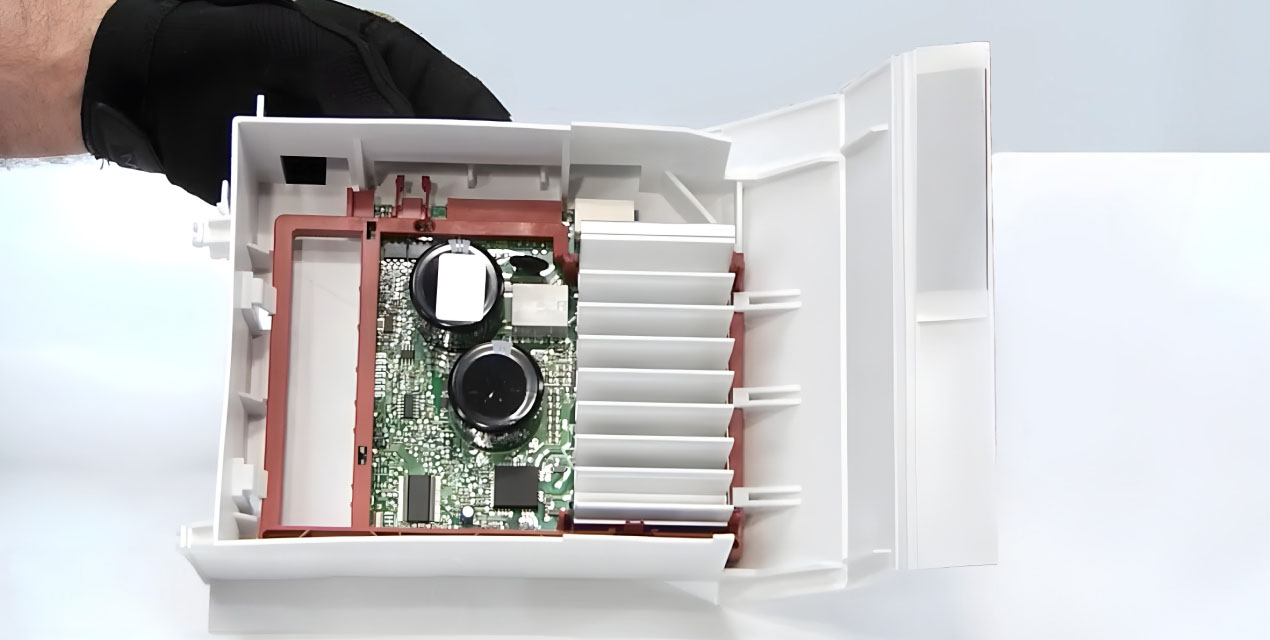
- Control Board Failure: If the control board is malfunctioning, it may struggle to send or receive signals properly, which can result in the F0 E1 error code. A thorough examination of the control board is essential if you suspect this to be the issue.
- Motor Control Unit Issues: Problems within the motor control unit can also lead to communication errors. If this unit is not functioning correctly, it can trigger the F0 E1 code, indicating a need for further investigation.
Required Tools to Fix the Error
Essential Tools for Repairing Whirlpool Washer Error Code F0 E1
Basic Tools
Before you begin addressing the F0 E1 error code on your Whirlpool washer, it’s crucial to gather the right tools for an efficient repair process. With over 20 years of experience in appliance repair, I can assure you that preparing your toolkit will simplify troubleshooting and enhance your ability to resolve the issue effectively. Here’s a list of essential tools you’ll need:
- Screwdriver Set: A well-rounded set that includes both flathead and Phillips screwdrivers is indispensable. These will allow you to safely remove the washer’s panels and access its internal components.
- Multimeter: This versatile tool is essential for measuring voltage and testing the motor control board. It helps you determine whether the board is functioning correctly and can help isolate the problem.
- Pliers: A good pair of pliers will be invaluable for gripping and manipulating wires or small parts during your repair. They provide the extra grip you need to handle components safely and effectively.
Supplies
Gathering the right supplies is crucial for effectively addressing the F0 E1 error code in your Whirlpool washer. First and foremost, ensure you have a multimeter on hand. This tool will allow you to check electrical connections, particularly the power connection to the motor control board, which is often a common point of failure.
Next, gather a pair of pliers and a screwdriver. These tools will assist you in safely disassembling the washer to access the required components. If your tests with the multimeter indicate a fault in the motor control board, you’ll need a replacement board for the repair.
It’s also important to check the water supply lines, as a blockage there can sometimes trigger similar error codes. Make sure these lines are clear and functioning properly.
Lastly, keep a towel handy to manage any water spills during the repair process. Having all these supplies ready will facilitate your troubleshooting and repair, allowing you to resolve the F0 E1 error efficiently and safely. Remember, taking these steps not only helps in fixing your washer but also ensures that you’re working in a safe environment.
Pre-Safety Checklist Before Fixing
When troubleshooting your Whirlpool washer, safety should always be your top priority. Before you begin any repairs, here are some essential safety precautions to keep in mind for your protection:
- Disconnect Power: Always unplug the washer from the electrical outlet before starting any repair work. This simple step will help prevent accidental electric shocks or short circuits, ensuring a safer environment for your tasks.
- Wear Protective Gear: Equip yourself with safety goggles and gloves. These items are crucial for protecting yourself from sharp edges and any electrical components that may pose risks during your repair process.
- Inspect Surroundings: Take a moment to ensure the area around the washer is dry and free of clutter. A tidy workspace minimizes the risk of trips and falls, allowing you to focus on the task at hand without distractions.
Diagnose the Error Code
With safety precautions firmly in place, let’s dive into diagnosing the F0 E1 error code on your Whirlpool washer. First, take a moment to examine the display. Sometimes, this error code may be accompanied by additional codes that can give you more insight into the specific issues at hand. Pay close attention to the timing of the error; recognizing any patterns in when the error occurs can be invaluable for narrowing down the root cause.
While the washer is operating, listen for any unusual noises. These sounds can often provide clues about potential motor problems. It’s also crucial to inspect the wiring and connections between the motor and control board. Look for any signs of wear, damage, or loose connections, as these can lead to communication issues that trigger error codes.
If you have access to a multimeter, I recommend using it to test the motor and control board for continuity. This step is essential for confirming whether these components are functioning correctly. By thoroughly diagnosing any motor-related issues, you’ll gather the vital information needed to move forward with effective troubleshooting.
Step-by-Step DIY Troubleshooting Guide
Moving Forward: Troubleshooting Steps Ahead
Fix for Cause 1
To effectively address the Whirlpool washer error code F0 E1, it’s important to start with a systematic diagnosis of the potential causes. This error code typically indicates an issue with the motor control system. Here’s a structured approach to help you accurately identify the problem:
- Check Wiring Connections: Begin by inspecting all wiring connected to the motor control board. Ensure that each connection is secure and free from any visible damage, such as fraying or corrosion, which could interrupt the electrical flow.
- Inspect the Motor: Examine the motor for any signs of wear or damage. Pay close attention to any unusual noises during operation, as these can be indicative of a malfunction. If the motor is making grinding or squealing sounds, it may require further assessment or replacement.
- Test the Control Board: Utilize a multimeter to check for continuity in the motor control board. This step is crucial, as a faulty control board can disrupt the entire operation of your washer. If you find that there’s no continuity, it may be necessary to replace the board.
Fix for Cause 2
When addressing the Whirlpool washer error code F0 E1, one crucial area to investigate is the door lock assembly, as it can often be the source of the problem. To start, ensure your safety by unplugging the washer from the electrical outlet. Once it’s disconnected, carefully examine the door lock for any signs of visible damage, such as cracks or wear.
Next, it’s essential to test the door lock’s functionality using a multimeter. This device measures electrical continuity, allowing you to determine if the door lock is operational. If your multimeter indicates no continuity, it’s a strong sign that the door lock assembly is defective and will require replacement.
Don’t overlook the wiring harness connected to the door lock. Inspect it for any frayed wires or loose connections that could disrupt the electrical flow. If you find any issues, addressing these problems can often restore proper function. After ensuring that everything is reconnected securely, plug your washer back in and run a diagnostic cycle to see if the error code reappears.
Fix for Cause 3
If you’ve determined that the door lock assembly isn’t the source of the problem, the next logical step is to inspect the control board for any potential faults. This process requires a methodical approach to ensure you accurately interpret any error codes. Here’s how to proceed safely:
- Power Off: Begin by unplugging the washer from the electrical outlet. This is crucial to prevent any risk of electrical shock while you work.
- Inspect Connections: Carefully remove the cover of the control board housing. Take a close look at all the connections and wiring. Look for any loose or damaged wires, and make sure everything is securely attached. A simple loose connection can often cause significant issues.
- Test the Board: Use a multimeter to check the voltage across various components on the control board. This tool will help you identify any irregular readings that could point to a malfunctioning part. If you notice any discrepancies, it may indicate that the control board needs replacement.
Fix for Cause 4
While inspecting the control board is an important first step, the next phase involves checking the wiring harness and the door lock switch for any potential issues. Here’s a straightforward guide to help you verify that everything is functioning correctly:
| Component | Action |
|---|---|
| Wiring Harness | Carefully inspect for any frays, cuts, or visible damage. This can often lead to electrical faults. |
| Door Lock Switch | Utilize a multimeter to test for continuity. A malfunctioning switch can prevent the washer from operating. |
| Connections | Ensure all connectors are firmly secured. Loose connections can lead to intermittent issues. |
If you uncover any problems during your inspection, promptly replace the faulty parts. Following these troubleshooting steps will empower you to identify and resolve issues effectively. Once you’ve completed these checks, your washer should operate smoothly, eliminating the F0 E1 error code and restoring its performance. Remember, safety is paramount; always disconnect the power before working on your appliance.
Call a Professional If
When you’re faced with the persistent F0 E1 error code on your Whirlpool washer, it’s important to know when to call in a professional. While there are some troubleshooting steps you can take, certain situations truly require the expertise of a technician to ensure safe and effective repair. Here are a few scenarios where reaching out for professional help is advisable:
- Motor Control Board Replacement: If you’ve replaced the motor control board and the error still appears, this indicates that the issue might lie elsewhere in your washer. A technician can conduct a thorough diagnostic to identify the underlying problem.
- Unusual Noises or Vibrations: If you’re noticing strange sounds or excessive vibrations during operation, this could point to more serious mechanical issues. These symptoms often suggest problems with components such as the drum bearings or suspension system, which require specialized knowledge to address safely.
- Electrical Concerns: If you’re unsure about handling electrical components or dealing with the wiring of your washer, it’s best to call a professional. Safety should always be your top priority, and a technician can handle these issues with the necessary expertise.
Bringing in a professional not only ensures the problem is accurately diagnosed and repaired, but it also helps prevent any further damage to your appliance. Remember, it’s always better to seek help when you’re uncertain about the repair process. Your safety and the longevity of your washer are worth it!