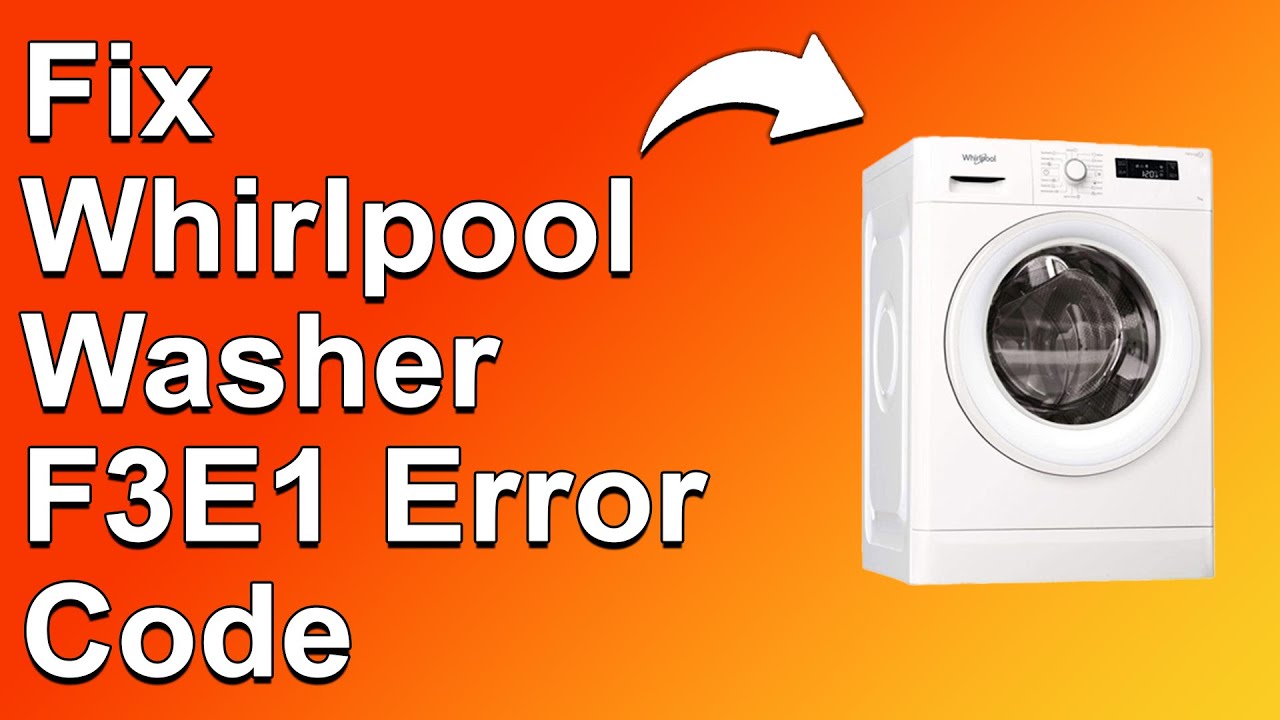
We understand how frustrating it can be when your Whirlpool washer unexpectedly throws an error code, especially the F3 E1.
This error typically indicates that one of the buttons on your control panel is stuck, which can really throw a wrench in your laundry routine.
The good news is that you’re not alone—this is a common issue that many users face, and often, the solutions are simpler than you might think.
One of the most frequent causes of the F3 E1 error is a stuck button on the control panel.
It could be as simple as a bit of debris or dirt causing the button to malfunction.
We encourage you to read through the entire post to uncover everything you need to know about this error, including more possible causes and DIY solutions that can get your washer back to working order in no time.
What Does the Error Code Mean?
What does the F3 E1 error code mean in your Whirlpool washer? This code points to a problem with the lid lock mechanism or a potentially stuck button on the control panel. When the control board detects that the lid lock isn’t functioning as it should, it triggers the F3 E1 error.
To start troubleshooting, examine the lid lock assembly for any visible obstructions or signs of damage. Sometimes, foreign objects can interfere with the lid lock’s operation. If you find that a button on the control panel seems stuck, try gently pressing it several times to see if it releases.
Before you perform any checks, it’s crucial to ensure that the washer is powered off to avoid any electrical hazards. By addressing these common issues—like stuck buttons or obstructions in the lid lock—you can often resolve the error and restore your washer’s functionality. Remember, taking safety precautions is always the first step in appliance repair.
Common Causes of the Error Code
Common Causes of F3 E1 Error Code
Cause 1
If your Whirlpool washer is showing the F3 E1 error code, it typically points to a problem with the temperature sensor or its wiring. One frequent culprit could be a malfunctioning button on the control panel, which may occur due to moisture or debris buildup.
To start troubleshooting, unplug your washer for a few minutes. This will allow the control panel to reset itself. Once you plug it back in, check each button for proper responsiveness—sometimes, a stuck button can trigger this error code.
Next, examine the wiring harness that connects the control panel to the temperature sensor. Look for any frayed wires or loose connections; these can lead to improper signals being sent and may cause the error to persist. If you notice any damage, it’s important to repair or replace the wiring as needed to restore proper function.
If the F3 E1 error continues after these checks, you might want to test the temperature sensor for continuity. This will help determine whether it’s operating correctly. Remember, when working with electrical components, always prioritize safety by ensuring the appliance is unplugged during inspections. By following these steps, you can effectively troubleshoot the issue and get your washer back in working order.
Cause 2
While troubleshooting the F3 E1 error code on your Whirlpool washer, it’s important to remember that there are several common causes that may lead to this issue, beyond just the temperature sensor. One key factor to consider is a potential malfunction of the control panel buttons. Sometimes, a button can get stuck or become unresponsive, which can trigger this error code.
Take a moment to carefully inspect each button on the control panel. Look for any physical issues—are any buttons jammed or visibly damaged? If everything appears to be in order, the next step is to check for an electronic glitch. A simple reset can often do wonders. Unplug your washer from the power source for about five minutes. This will give the electronics a chance to reset. Once you’ve waited, plug it back in and power it on to see if the error persists.
If the F3 E1 error code continues to appear after these steps, it may be time for more in-depth diagnostics. Understanding these common causes not only empowers you to tackle the issue more effectively, but it can also help you restore your washer to normal operation swiftly. Remember, safety is paramount, so always unplug your appliance before performing any checks.
Cause 3
Another potential cause of the F3 E1 error code could be a wiring issue within your washer. It’s essential to address this correctly to ensure safe and efficient operation. Here’s a step-by-step guide to help you verify and troubleshoot wiring problems effectively:
- Inspect the Wiring Harness: Begin by carefully examining the wiring harness connected to the washer. Look for any frayed wires or loose connections that may lead to a short circuit. If you notice any damage, it’s important to replace or repair those wires to prevent further issues.
- Check the Control Board: The control board is the brain of your washer. Inspect it for any burnt traces or damaged components that might interfere with the signals sent to the buttons. If you find any damage, it may require replacement or professional repair.
- Test the Button Connections: Ensure that all button connections are secure and functioning correctly. Sometimes, buttons can become stuck or disconnected, which can trigger the error code. Press each button to make sure it moves freely and doesn’t stick.
Cause 4
When you encounter the F3 E1 error code on your Whirlpool washer, one common issue to consider is a malfunctioning temperature sensor. This vital component plays a key role in regulating the water temperature, ensuring optimal washing conditions and energy efficiency.
To start troubleshooting, begin by unplugging the washer for safety. The temperature sensor is typically located at the back of the drum and is usually secured with a couple of screws. Once you have access to it, use a multimeter to measure its resistance. If the reading falls outside the manufacturer’s specified range, it indicates that the sensor is likely faulty and should be replaced to restore proper functionality.
In addition to checking the sensor itself, it’s crucial to inspect the wiring connected to it. Ensure that all connections are secure and that there are no signs of wear or damage. Loose or damaged wiring can also trigger the F3 E1 error code, so addressing these issues promptly is important. By taking these steps, you can help prevent potential leaks and maintain the effective performance of your washer. Remember, safety should always be your top priority when working with electrical appliances.
Required Tools to Fix the Error
Essential Tools for Troubleshooting
Basic Tools
When you’re faced with the Whirlpool washer error code F3 E1, having the right tools at your disposal is crucial for effective troubleshooting. These tools not only make the process easier but also help ensure that your washer is maintained properly. Here’s a list of essential tools you’ll need to tackle this issue:
- Multimeter – This versatile tool is invaluable for checking electrical issues within your washer. It allows you to test various components to confirm that they are functioning properly, ensuring a thorough diagnosis.
- Screwdriver Set – A good set of screwdrivers, including both flathead and Phillips types, is essential. These will help you easily access different parts of the washer when you need to inspect or replace components.
- Wire Cutters/Strippers – If you encounter any damaged wiring, having wire cutters and strippers on hand will enable you to make necessary repairs or replacements. This is a key part of troubleshooting and ensuring everything is in good working order.
With these tools ready, you’ll be well-equipped to address the F3 E1 error code and restore your washer to optimal performance. Remember to always prioritize safety when working on electrical appliances, and don’t hesitate to seek professional help if needed.
Supplies
To effectively address the Whirlpool washer error code F3 E1, it’s important to gather specific supplies that will aid in your repair process. Here’s a comprehensive list to help you get started:
- Multimeter: This tool is essential for testing electrical components and ensuring that the various parts of your washer are functioning correctly. It allows you to measure voltage and continuity, helping you pinpoint the source of the error.
- Screwdriver Set: You’ll need a reliable set of screwdrivers to access the internal components of your washer. Make sure you have both Phillips and flathead screwdrivers to handle different types of screws.
- Soft Cloth: A clean, soft cloth will be useful for wiping down buttons and connections. Keeping these areas clean can help prevent issues related to dirt and grime.
- Rubbing Alcohol: For thorough maintenance, have some rubbing alcohol on hand. This can be used to clean any residue that might cause buttons to stick, ensuring they respond properly during operation.
- Flashlight: A bright flashlight will come in handy when inspecting hard-to-see areas inside your washer. Good visibility is crucial to effectively diagnose any issues.
- Replacement Control Board: If your troubleshooting leads you to believe the control board is malfunctioning, having a replacement on hand can help you address the problem quickly and minimize downtime.
Pre-Safety Checklist Before Fixing
Before you begin troubleshooting the Whirlpool washer error code F3 E1, it’s essential to prioritize your safety and that of the appliance. Here are some detailed safety precautions to ensure a smooth and secure process:
- Unplug the Washer: Start by disconnecting the washer from its power source. This step is critical to eliminate any risk of electrical shock while you work on the appliance. Always ensure that your hands are dry and that you’re not standing on a wet surface when unplugging.
- Check for Water Leaks: Carefully inspect the area around the washer. Look for any signs of water leaks, as these can pose a slip hazard or lead to electrical shorts. If you do find any leaks, address them immediately before proceeding with any repairs.
- Clear the Surroundings: Create a safe workspace by removing any obstacles or clutter surrounding the washer. This not only helps prevent accidents but also gives you the necessary space to maneuver and access parts of the washer without hindrance.
Diagnose the Error Code
To effectively diagnose the Whirlpool washer error code F3 E1, it’s important to understand what this code signifies. Typically, this error indicates a potential issue with a stuck button or a malfunctioning control board. Let’s walk through the steps to identify and resolve the problem safely.
Step-by-Step Diagnosis
| Step | Action | |
|---|---|---|
| 1 | Inspect the Control Panel | Start by examining the control panel for any visible signs of damage or wear. Look for any buttons that appear to be stuck or pressed down. This could be the source of the error. |
| 2 | Check for Stuck Buttons | Gently press each button to ensure they are functioning properly. Sometimes debris can prevent a button from returning to its normal position, so cleaning around the buttons may be necessary. |
| 3 | Examine Wiring Connections | Next, inspect the wiring and connections behind the control panel. Look for any frayed wires or loose connections that could be causing electrical faults. A secure connection is vital for proper operation. |
| 4 | Test the Control Board | If no issues are found with the buttons or wiring, the control board may need testing. This can involve checking for signs of damage, such as burn marks or corrosion, and ensuring that it is receiving the correct voltage. If you’re unsure about this step, it may be best to consult a professional technician. |
Always remember to unplug the washer before performing any inspections or repairs to ensure your safety. By following these steps, you can systematically pinpoint the cause of the F3 E1 error code and take the appropriate action to restore your washer to good working order. If the issue persists after these checks, consider reaching out to a qualified appliance repair expert for further assistance.
Step-by-Step DIY Troubleshooting Guide
Next Steps for Troubleshooting F3 E1 Error Code
Fix for Cause 1
If your Whirlpool washer is showing the F3 E1 error code, it usually points to a problem with the temperature sensor. Let’s walk through some straightforward steps to diagnose and address this issue safely and effectively:
- Check Connections: Start by ensuring that the temperature sensor is securely connected to the wire harness. Look for any signs of fraying or damage to the wires. A loose connection can often be the culprit behind this error code.
- Inspect the Sensor: Next, you’ll want to test the sensor itself. Using a multimeter, measure the resistance of the temperature sensor. Refer to your washer’s manual for the specific Ohm readings that are acceptable for your model. Typically, a functioning sensor will have a resistance that falls within a certain range, which is crucial for proper operation.
- Replace if Necessary: If your tests reveal that the temperature sensor is faulty, it’s time to replace it. You can find a compatible replacement at most appliance parts stores or online. When installing the new sensor, simply reverse the process you used to remove the old one. Make sure to double-check all connections before reassembling your washer.
Fix for Cause 2
When addressing the F3 E1 error code in your washer, one possible cause could be a malfunctioning control board. To ensure your safety, always start by unplugging the washer from the electrical outlet. Once you’ve done that, you can proceed to remove the control panel. Look for any visible screws that secure it in place and gently lift the panel off.
As you inspect the control board, keep an eye out for any burnt components or damaged solder joints. These signs can indicate a need for repair or replacement. If you do identify any issues, consider sourcing a compatible replacement control board. It’s crucial to ensure that you choose a part that matches your specific washer model for optimal performance.
After replacing the control board, reassemble the control panel, making sure all connections are secure. Once everything is back in place, plug the washer back in and run a test cycle to see if the error persists. If you still encounter the F3 E1 error after taking these steps, further investigation may be necessary, potentially involving other components. However, this process often resolves the issue effectively.
Fix for Cause 3
When troubleshooting the F3 E1 error code, one common cause to consider is an issue with the temperature sensor. Here are some detailed steps to help you resolve this issue safely and effectively:
- Inspect Connections: Start by examining the wiring connected to the temperature sensor. Look for any loose connections, frayed wires, or signs of corrosion. Ensuring a secure and clean connection is crucial for accurate sensor readings.
- Test the Sensor: To check if the temperature sensor is functioning correctly, use a multimeter to measure its resistance. Refer to your appliance’s user manual for the specific resistance range that the sensor should fall within. If the reading is outside of these specifications, the sensor may be faulty.
- Replace if Necessary: If you determine that the temperature sensor is not operating within the expected range, it’s best to replace it with a new component. This is a straightforward repair that can significantly improve your appliance’s performance and restore functionality.
Always remember to disconnect the power to your appliance before performing any repairs to ensure your safety. By following these steps, you can address the F3 E1 error code with confidence.
Fix for Cause 4
Addressing the F3 E1 error code in your washer may require a thorough investigation of the control board, which is crucial for managing various functions of the appliance. First and foremost, ensure your safety by unplugging the machine from the wall outlet. Use a screwdriver to carefully remove the back panel, which will give you access to the control board.
Once you have the panel off, visually inspect the control board for any signs of damage. Look for burnt components, scorched areas, or loose connections, as these can often lead to error codes like F3 E1. This step is essential because it helps in accurately diagnosing the issue. If you do discover any problems, you may need to repair the damaged areas or consider replacing the entire control board.
Make sure to securely reconnect any loose wires you find during your inspection, as a poor connection can also trigger error codes. After everything is back in place, reassemble the back panel and plug the washer back in. Finally, run a test cycle to see if the error code persists. If the error continues, consider applying basic troubleshooting techniques to further diagnose the problem.
Call a Professional If
If you’ve gone through the troubleshooting steps for your Whirlpool washer and the F3 E1 error code is still showing up, it’s a good idea to consult a professional. A qualified technician has the experience and tools necessary to tackle issues that may be beyond your expertise. Here are three clear signs that it’s time to seek professional assistance:
- Persistent Error Codes: If the F3 E1 error keeps coming back despite your best efforts, this usually points to an underlying problem that needs expert diagnosis.
- Visible Damage: If you notice any signs of wear or damage to the washer’s components, such as frayed wires or cracked parts, these issues can disrupt the washer’s performance and should be addressed by a professional.
- Strange Noises: Unusual sounds like grinding, banging, or squeaking during operation could indicate mechanical problems. These sounds often require specialized knowledge to diagnose and fix safely.
Avoid risking further damage to your appliance or potential safety hazards. By reaching out to a professional, you can ensure that your washer receives the appropriate care it needs to function properly. Remember, it’s better to be safe and get expert help than to try and fix complex issues on your own.